Saturday, April 23, 2016

Seven Signs You May Have a Vitamin D Deficiency

Reposted from Dr. Mercola

http://articles.mercola.com/sites/articles/archive/2014/05/28/vitamin-d-deficiency-signs-symptoms.aspx?utm_source=facebook.com&utm_medium=referral&utm_content=facebookmercola_ranart&utm_campaign=20160423_vitamin-d-deficiency-signs-symptoms

By Dr. Mercola

Vitamin D deficiency is incredibly common in the US, but many Americans mistakenly believe they aren't at risk because they consume vitamin-D-fortified foods (such as milk).
There are very few foods that actually have therapeutic levels of vitamin D naturally and even fortified foods do not contain enough vitamin D to support your health needs.
Despite its name, vitamin D is not a regular vitamin. It's actually a steroid hormone that you are designed to obtain primarily through sun exposure, not via your diet.

Just How Widespread Is Vitamin D Deficiency?

Before the year 2000, very few doctors ever considered the possibility that you might be vitamin D deficient.

But as the technology to measure vitamin D became inexpensive and widely available, more and more studies were done, and it became increasingly clear that vitamin D deficiency was absolutely rampant. For example, according to one of the leading vitamin D researchers, Dr. Michael Holick:
  • The Centers for Disease Control and Prevention (CDC) reported that 32 percent of children and adults throughout the US were vitamin D deficient -- and this is grossly underestimated as they used vitamin D levels that were not consistent with optimal health.
  • The National Health and Nutrition Examination Survey found that 50 percent of children aged one to five years, and 70 percent of children between the ages of six and 11, are deficient or insufficient in vitamin D
  • Researchers such as Dr. Holick estimate that 50 percent of the general population is at risk of vitamin D deficiency and insufficiency
Researchers have also noted that vitamin D deficiency is prevalent in adults of all ages who always wear sun protection (which blocks vitamin D production) or limit their outdoor activities.1 People with increased skin pigmentation (such as those whose ancestors are from Africa, the Middle East, or India) are also at risk, as are the elderly.

It's estimated that over 95 percent of US senior citizens may be deficient in vitamin D, not only because they tend to spend a lot of time indoors but also because they produce less in response to sun exposure (a person over the age of 70 produces about 30 percent less vitamin D than a younger person with the same sun exposure).2

7 Signs You May Be Vitamin D Deficient

The only way to know for sure if you're vitamin D deficient is via blood testing. However, there are some signs and symptoms to be aware of as well. If any of the following apply to you, you should get your vitamin D levels tested sooner rather than later.

1. You Have Darker Skin
African Americans are at greater risk of vitamin D deficiency, because if you have dark skin, you may need as much as 10 times more sun exposure to produce the same amount of vitamin D as a person with pale skin!
As Dr. Holick explained, your skin pigment acts as a natural sunscreen, so the more pigment you have, the more time you'll need to spend in the sun to make adequate amounts of vitamin D.

2. You Feel "Blue"
Serotonin, the brain hormone associated with mood elevation, rises with exposure to bright light and falls with decreased sun exposure. In 2006, scientists evaluated the effects of vitamin D on the mental health of 80 elderly patients and found those with the lowest levels of vitamin D were 11 times more prone to be depressed than those who received healthy doses.3

3. You're 50 or Older
As mentioned, as you get older your skin doesn't make as much vitamin D in response to sun exposure. At the same time, your kidneys become less efficient at converting vitamin D into the form used by your body and older adults tend to spend more time indoors (i.e. getting even less sun exposure and therefore vitamin D).

4. You're Overweight or Obese (or Have a Higher Muscle Mass)
Vitamin D is a fat-soluble, hormone-like vitamin, which means body fat acts as a "sink" by collecting it. If you're overweight or obese, you're therefore likely going to need more vitamin D than a slimmer person -- and the same holds true for people with higher body weights due to muscle mass.

5. Your Bones Ache
According to Dr. Holick, many who see their doctor for aches and pains, especially in combination with fatigue, end up being misdiagnosed as having fibromyalgia or chronic fatigue syndrome.
"Many of these symptoms are classic signs of vitamin D deficiency osteomalacia, which is different from the vitamin D deficiency that causes osteoporosis in adults," he says. "What's happening is that the vitamin D deficiency causes a defect in putting calcium into the collagen matrix into your skeleton. As a result, you have throbbing, aching bone pain."
6. Head Sweating
According to Dr. Holick, one of the first, classic signs of vitamin D deficiency is a sweaty head. In fact, physicians used to ask new mothers about head sweating in their newborns for this very reason. Excessive sweating in newborns due to neuromuscular irritability is still described as a common, early symptom of vitamin D deficiency.4

7. You Have Gut Trouble
Remember, vitamin D is a fat-soluble vitamin, which means if you have a gastrointestinal condition that affects your ability to absorb fat, you may have lower absorption of fat-soluble vitamins like vitamin D as well. This includes gut conditions like Crohn's, celiac and non-celiac gluten sensitivity, and inflammatory bowel disease.

Optimizing Your Vitamin D Levels May Prevent Cancer, Heart Disease, and More

Researchers have pointed out that increasing levels of vitamin D3 among the general population could prevent chronic diseases that claim nearly one million lives throughout the world each year. Incidence of several types of cancer could also be slashed in half. As mentioned by Dr. Holick, one of the Nurses' Health Studies showed that nurses who had the highest blood levels of 25-hydroxyvitamin D, averaging about 50 ng/ml, reduced their risk of developing breast cancer by as much as 50 percent. Similarly, a Canadian study done by Dr. Knight showed that women who reported having the most sun exposure as a teenager and young adult had almost a 70 percent reduced risk of developing breast cancer. Dr. Holick noted:
"Studies have shown that if you improve your vitamin D status, it reduces risk of colorectal cancer, prostate cancer, and a whole host of other deadly cancers by 30 to 50 percent. You're correct. Cancer is a big deal. You need to realize that vitamin D is playing a very important role in helping to maintain cell growth and to help fight cancer when a cancer cell is developing in your body."
Vitamin D also fights infections, including colds and the flu, as it regulates the expression of genes that influence your immune system to attack and destroy bacteria and viruses. In this interview above, Dr. Holick expounds on these and many other health benefits of vitamin D. For instance, optimizing your vitamin D levels can help protect against:
  • Cardiovascular disease. Vitamin D is very important for reducing hypertension, atherosclerotic heart disease, heart attack, and stroke. According to Dr. Holick, one study showed that vitamin D deficiency increased the risk of heart attack by 50 percent. What's worse, if you have a heart attack and you're vitamin D deficient, your risk of dying from that heart attack creeps up to nearly 100 percent!
  • Autoimmune diseases. Vitamin D is a potent immune modulator, making it very important for the prevention of autoimmune diseases, like multiple sclerosis and inflammatory bowel disease.
  • Infections, including influenza. It also helps you fight infections of all kinds. A study done in Japan, for example, showed that schoolchildren taking 1,200 units of vitamin D per day during winter reduced their risk of getting influenza A infection by about 40 percent. I believe it's far more prudent, safer, less expensive, and most importantly, far more effective to optimize your vitamin D levels than to get vaccinated against the flu.
  • DNA repair and metabolic processes. One of Dr. Holick's studies showed that healthy volunteers taking 2,000 IUs of vitamin D per day for a few months up-regulated 291 different genes that control up to 80 different metabolic processes, from improving DNA repair to having effect on autoxidation (oxidation that occurs in the presence of oxygen and/or UV radiation, which has implications for aging and cancer, for example), boosting your immune system and many other biological processes.

How Much Vitamin D Do You Need for Optimal Health?

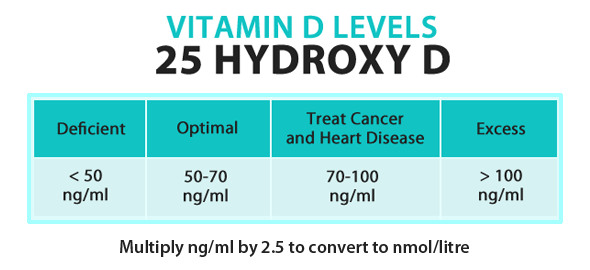
When it comes to vitamin D, you don't want to be in the "average" or "normal" range, you want to be in the "optimal" range. The reason for this is that as the years have gone by, researchers have progressively moved that range upward. At present, based on the evaluation of healthy populations that get plenty of natural sun exposure, the optimal range for general health appears to be somewhere between 50 and 70 ng/ml. As for how to optimize your vitamin D levels, I firmly believe that appropriate sun exposure is the best way. In fact, I personally have not taken a vitamin D supplement for three or four years, yet my levels are in the 70 ng/ml range.

Generally speaking, this will be when your skin turns the lightest shade of pink or, as Dr. Holick recommends, about half of the time you suspect it would take you to get a mild sunburn (So if you know you tend to get sunburned after 30 minutes, you'd want to stay in the sun for about 15 minutes). How long you need to stay in the sun varies greatly depending on the factors below:
Antioxidant levels and diet in general Age
Skin color and/or current tan levelUse of sunscreen
Latitude and altitude (elevation)Cloud cover and pollution
Ozone layerSurface reflection
Season Time of day
Weigh 
If you can't get enough sunshine for whatever reason, then a safe tanning bed would be your next best option. Most tanning equipment uses magnetic ballasts to generate light. These magnetic ballasts are well-known sources of EMFs that can contribute to cancer. If you hear a loud buzzing noise while in a tanning bed, it has a magnetic ballast system. I strongly recommend you avoid these types of beds and restrict your use of tanning beds to those that use electronic ballasts.

If your circumstances don't allow you to access the sun or a safe tanning bed, then you really only have one option if you want to raise your vitamin D, and that is to take a vitamin D supplement. As a general guideline, research by GrassrootsHealth suggests that adults need about 8,000 IUs per day to achieve a serum level of 40 ng/ml. If you do opt for a vitamin D supplement, please remember that you also need to boost your intake of vitamin K2 through food and/or a supplement. If you're getting your vitamin D from the sun, this is not as critical, although you'd be wise to make sure you're getting sufficient amounts of vitamin K2 from your diet either way.
Get Your Vitamin D Levels Tested with the D*Action Project

How do you know if your vitamin D level is in the right range? The most important factor is having your vitamin D serum level tested every six months, as people vary widely in their response to ultraviolet exposure or oral D3 supplementation. The test is called 25(OH)D, also called 25-hydroxyvitamin D, and you can have it done by virtually any physician. You should test at your highest point, which (if you live in the US) is typically in August and again at your lowest point, which is usually February. Knowing your vitamin D levels is one of the most important tests you can take, so please, if you haven't checked your levels before, do it now -- I cannot stress the importance of this enough.

If you're interested in having your vitamin D levels tested right from home, consider joining the D*Action Project. The D*Action project has been initiated by GrassrootsHealth along with 42 leading vitamin D researchers to demonstrate how health can be achieved right now with what's known about vitamin D with a combination of vitamin D measurement and health outcome tracking. In order to spread this health movement to more communities, the project needs your involvement. To participate, simply purchase the D*Action Measurement Kit and follow the registration instructions included. (Please note that 100 percent of the proceeds from the kits go to fund the research project. I do not charge a single dime as a distributor of the test kits.)

As a participant, you agree to test your vitamin D levels twice a year during a five-year study, and share your health status to demonstrate the public health impact of this nutrient. There is a $65 fee every six months for your sponsorship of this research project, which includes a test kit to be used at home, and electronic reports on your ongoing progress. You will get a follow up email every six months reminding you "it's time for your next test and health survey."

Remember, more than 75 percent of the world's population is vitamin D deficient and most don't know it! GrassrootsHealth D*Action is an integrated set of performance and feedback systems to give you complete control of your individual vitamin D performance systems, which will help you gain a total picture of your health. There's no doubt in my mind that the D*Action programs can be a major key to help turn the current health paradigm from "treatment" to "prevention."

Baking Soda And Honey: Remedy That Destroys Even The Most Severe Disease

Reposted from Health & Love Page

http://www.healthandlovepage.com/baking-soda-and-honey-remedy/

This mixture will help any individual get back their health and strength and it will also heal almost any ailment or even some chronic diseases like cancer.
Even though mixing organic honey or maple syrup and baking soda may appear unusual to some people because cancer cells thrive in an environment where sugar is present, the fact is that sugar in this case acts in a different way.

To be precise, cancer cells won’t reap any benefits from the presence of sugar in this mixture because baking soda is here to neutralize their effects. Maple syrup, or honey, provides other effects on cancer cells. It is good to know that cancer cells need about 15 times more sugar than normal, healthy cells
So, cancer cells will absorb this mixture fast and in this way they will also include sodium bicarbonate inside them and this is how this mixture will eliminate cancer cells – from the inside.

Here’s What You Will Need:
  • Organic honey or maple syrup
  • Baking soda.
Instructions:
  • Take some maple syrup or organic honey and baking soda and mix them well.
  • Use 3 parts of honey/maple syrup and one part baking soda.
  • Put the mixture on low heat and cook for about ten minutes.

How to Use This Remedy?

Take one tablespoon of this natural remedy three times per day about 30 minutes before each meal. Practice this procedure for 30 days. In addition, stay away from sugar, white flour and meat while this natural therapy lasts.

Friday, April 22, 2016

Curcumin: The Spice that Helps Prevent Cancer - Now Being Used to Repair Stroke Damage

Reposted from Dr. Mercola

http://articles.mercola.com/sites/articles/archive/2011/03/02/common-spice-protects-and-rebuild-brain-cells-after-stroke.aspx

Scientists have created a new molecule from curcumin, the key chemical component of the spice turmeric. In laboratory experiments, the molecule was shown to affect the mechanisms that protect and regenerate brain cells after a stroke.
The new curcumin compound, called CNB-001, actually repairs stroke damage at the molecular level.
Physorg reports:
"Those who cook Indian, Thai, Malay and Persian dishes know turmeric well for its zesty flavor, use in curries and for the rich color it imparts to food. Turmeric also has a long history of use in Ayurvedic and Chinese traditional medicine."

Curcumin -- the pigment that gives the curry spice turmeric its yellow-orange color -- is a natural compound that should be on your health radar for a number of reasons. Both the ancient Chinese and Indian systems of medicine have recognized curcumin's beneficial properties for thousands of years, and modern research suggests it may be one of nature's most powerful potential healers.
As you'll see, its health benefits are far-reaching and are now entering the arena of emergency medicine.
In this article I will also review several natural strategies for preventing stroke, as there are other lifestyle and dietary factors that play a massive role. You really don't want to wait until a stroke happens, regardless of how effectively drugs might help to keep you alive.

So What is a Stroke?

Strokes are sometimes referred to as "brain attacks" (instead of "heart attacks") because they occur when a blood clot blocks an artery or blood vessel, cutting off blood flow to your brain. As a result, brain cells die and brain damage can occur.
Strokes can be particularly devastating because they often occur without warning, and the longer your brain goes without oxygen, the greater your risk of lasting damage. This is one area where emergency medicine excels, as emergency medications can dissolve the clot that is blocking blood flow to your brain. In order to be effective, however, you typically need to get help within one hour.
So if you notice any of these signs of stroke, you should get help right away:
  • Sudden trouble walking (dizziness, loss of balance, etc.)
  • Sudden confusion
  • Sudden numbness or weakness (especially on one side of your body only)
  • Sudden trouble seeing
  • Sudden severe headache

Curcumin Drug May Help Regenerate Brain Cells after Stroke

Contrary to the clot-busting drug currently used on stroke victims, the curcumin-hybrid compound, called CNB-001, does not actually dissolve the blood clot. Rather it repairs the damage incurred by the lack of oxygen, at the molecular level, by influencing the mechanism responsible for regeneration of neurons (brain cells).
This offers future stroke victims new hope for greater recovery, as it may reduce lasting damage. The research was presented at the American Heart Association International Stroke Conference in Los Angeles on February 9.
Now, although curcumin itself has been found to have great healing potential, including in the treatment of brain injury, it has drawbacks that makes it unsuitable for emergency treatment of stroke.
Physorg reports:
"[Curcumin] is not well absorbed in the body, fails to reach its target in high concentrations, becomes depleted quickly, and is blocked from entering the brain by a natural protective mechanism called the blood-brain barrier."
The curcumin-derived compound CNB-001, however, does cross the blood brain barrier and "moderates several critical mechanisms involved in neuronal survival," according to lead researcher Dr. Lapchak, PhD.
What this means is that if you're having signs of stroke, do not reach for the spice jar or a turmeric supplement. Seek immediate emergency medical attention! Turmeric cannot be used as a make-shift home-remedy for a stroke. I just want to make that perfectly clear.
The hybrid spice-drug compound may however help save lives in an emergency setting later on. According to Physorg's report:
"The drug reduced stroke-caused "motor deficits"—problems of muscle and movement control—in this laboratory study. It was effective when administered up to an hour after stroke, which correlates with about three hours in humans, the same time frame for which tPA is currently approved."
There's a time and place for conventional medicine, and stroke is one of those times when a drug can save your life. That said, considering how devastating (not to mention life threatening) a stroke can be, it would be in your best interest to adjust your lifestyle to prevent it from ever happening in the first place.

This Common Vitamin Deficiency DOUBLES Your Risk of Stroke!

What vitamin could this possibly be?
If you guessed vitamin D, you're absolutely correct. This was the impressive finding of a study presented on November 15 last year at the American Heart Association's (AHA) annual Scientific Sessions in Chicago.
It adds weight to research released earlier last year, which found that vitamin D deficiency is associated with arterial stiffness; a risk factor for heart disease and stroke. A separate study from Finland also found that those with the lowest vitamin D levels had a 25 percent higher risk of dying from heart disease or stroke, and when only stroke was evaluated, those with the lowest levels had twice the risk as those with the highest vitamin D levels.
In the past couple of years, research into the health benefits of vitamin D and the serious ramifications of deficiency has exploded. The evidence that vitamin D is a key player in your health is just overwhelming.
For example, optimizing your vitamin D levels can also slash your risk of diabetes and cancer in half! And that's still just the tip of the iceberg.
What other drug or nutrient do you know of that can cut your risk of three of the most dangerous chronic diseases by 50 percent?!
It's abundantly clear that if you want optimal health, you need to pay attention to your vitamin D levels. Ideally, you'll want to increase your levels through safe sunshine exposure year-round. Not only is this the way you were designed to produce vitamin D naturally, but it also eliminates the risk of overdosing. You can also use a safe tanning bed if you can't get sufficient amounts of sun exposure outdoors.
If neither of those options are available to you, consider taking a vitamin D3 supplement, but be sure to get your vitamin D levels tested regularly to make sure you're staying within therapeutic limits, as you're circumventing your body's built-in regulatory mechanism.
For more information about safe sun exposure, testing, and dosages, please see my vitamin D page. I also recommend viewing my one-hour video lecture on vitamin D to get a deeper understanding of its vital importance to your health.

Other Stroke Prevention Strategies

Up to 80 percent of strokes are preventable, according to the National Stroke Association, so I strongly encourage you to take control of your health to reduce your risk. Conventionally speaking, many of the same risk factors that increase your risk of heart disease also increase your risk of stroke, such as:
So, as with your heart, eating unprocessed, natural foods, exercising, getting regular sun exposure, and maintaining a healthy weight will help to reduce your risk of stroke.
Also high up on the list of keys to preventing a stroke is to get a handle on your stress levels as the more stressed you are, the greater your risk. As an example, a study published in the journal Neurology found that psychological distress will greatly increase your risk of suffering a stroke. The researchers actually found that for every notch lower a person scored on their well-being scale, their risk of stroke increased by 11 percent.
Not surprisingly, the relationship between psychological distress and stroke was most pronounced when the stroke was fatal.
So while optimizing your vitamin D levels and leading a healthy lifestyle with nutritious food and regular exercise are important, you'll want to be sure you tend to your emotional health as well.

More Health Benefits of Curcumin

Now that we've reviewed the strategies that can help prevent you from becoming another stroke statistic, let's get back to curcumin, because this spice compound—which is also available in supplement form—has many other potent health benefits.
Most notably, curcumin is known for its potent anti-inflammatory properties, and chronic inflammation is the hallmark of most chronic disease, including diabetes, arthritis, and heart disease, just to name a few. The compound has been shown to influence more than 700 genes, and it can inhibit both the activity and the synthesis of cyclooxygenase-2 (COX2) and 5-lipooxygenase (5-LOX), as well as other enzymes that have been implicated in inflammation.
But that's not all. Other health benefits include:
  • Strengthening and improving your digestion
  • Supporting healthy liver function and detoxification
  • Purifying your blood
Further, evidence suggests turmeric may play a beneficial role in the following diseases:

Curcumin—One of the BEST Supplements for Many Cancers Too!

If you want to use curcumin to prevent stroke I believe your best strategy is to use it as a food in the form of turmeric. However if you have a severe illness, like cancer, then it is best to use it as a drug at a much higher dose as described below.
Dr. William LaValley from Austin Texas is one of the top natural medicine cancer physicians I know and he recently shared this important information on curcumin, which has the most evidence based literature for use as a cancer support among all nutrients.
Curcumin affects more than 100 different pathways once it gets into the cell.
Interestingly this also includes the metabolite of curcumin and its derivatives, which are also anti-cancer. Best of all, curcumin appears to be safe in the treatment of all cancers.

In India where turmeric is widely used, the prevalence of four common U.S. cancers -- colon, breast, prostate and lung -- is 10 times lower. In fact, prostate cancer, which is the most frequently diagnosed cancer in U.S. men, is rare in India and this is attributed, in part, to the curcumin in turmeric.
Numerous studies have looked into this potential cancer-fighting link, with promising results. For instance, curcumin has been found to:
  • Inhibit the proliferation of tumor cells
  • Inhibit the transformation of cells from normal to tumor
  • Help your body destroy mutated cancer cells so they cannot spread throughout your body
  • Decrease inflammation
  • Enhance liver function
  • Inhibit the synthesis of a protein thought to be instrumental in tumor formation
  • Prevent the development of additional blood supply necessary for cancer cell growth
And, according to researchers from the University of Texas M.D. Anderson Cancer Center, curcumin blocks a key biological pathway needed for development of melanoma and other cancers.
The spice actually stops laboratory strains of melanoma from proliferating and pushes the cancer cells to die by shutting down nuclear factor-kappa B (NF-kB), a powerful protein known to induce abnormal inflammatory response that leads to an assortment of disorders such as arthritis and cancer.
To get the full benefits that curcumin has to offer, you will want to look for a turmeric extract with at least 95 percent curcuminoids that contains only 100 percent certified organic ingredients.
The formula should be free of fillers, additives and excipients (a substance added to the supplement as a processing or stability aid), and the manufacturer should use safe production practices at all stages: planting, cultivation, selective harvesting, and then producing and packaging the final product.

Details on How to Use Curcumin

The unfortunate challenge at this time is that good formulations of curcumin to use in cancer still aren't available. This is because relatively high doses are required and curcumin is not absorbed that well. Typical anticancer doses are up to three grams of good bioavailable curcmin extract, three to four times a day.
One work-around for this is to use curcumin powder and make a microemulsion of it by combining a tablespoon of the powder and mixing it into 1-2 egg yolks, and a teaspoon or two of melted coconut oil. Then use a high-speed hand blender to emulsify the powder.
Another strategy to increase absorption is to put one tablespoon of the curcumin powder into a quart of boiling water. It must be boiling when you add the powder as it will not work as well if you put it in room temperature water and then heat the water with the curcumin already in it. After boiling it for 10 minutes, you will have created a 12 percent solution, which you can drink once it has cooled down. The curcumin will gradually fall out of solution over time and in about six hours it will be a 6 percent solution, so it is best to drink the water within four hours. It does have a woody taste.
One caution to know is that you want to avoid the "yellow kitchen" syndrome. Curcumin is a very potent yellow pigment and can permanently discolor surfaces if you aren't careful.   

Thursday, April 21, 2016

Do You Need a Vitamin K Supplement?

Reposted from Dr. Whitaker

http://www.drwhitaker.com/do-you-need-a-vitamin-k-supplement/?key=200260&utm_campaign=social&utm_source=acq-social-all&utm_medium=social-facebook&utm_content=social-whitaker-facebook-4202016-blog-vitamin-blog-facebook

For years, the vitamin K supplement has been the neglected stepchild in the world of nutrition, while vitamins C, D, E, beta-carotene, and others grabbed all the attention. That is until groundbreaking research propelled vitamin K into the limelight.

Dutch researchers discovered very strong links between the benefits of vitamin K intake, arterial calcification and cardiovascular death. In this clinical trial of nearly 5,000 older Dutch men and women, known as the Rotterdam study, participants with the highest consumption of vitamin K had a 50 percent reduction in arterial calcification and death from cardiovascular disease, and a 25 percent decline in overall mortality.

Vitamin K Supplements: Two Kinds

But which type of vitamin K should you take? Vitamin K is actually a group of fat-soluble compounds divided into two primary groups: K1 and K2, and they’re not exactly the same. K1 is abundant in broccoli, kale, chard and other leafy greens; there’s also a little in olive and vegetable oils. K2 is found in fatty meat, egg yolks, and fermented products such as cheese, sauerkraut, and natto (by far the richest source), plus it is synthesized by bacteria in the large intestine. Although Americans get more dietary K1, it’s poorly absorbed. K2, on the other hand, is taken up rapidly.

These two types of vitamin K also have somewhat different physiological actions. K1 is more active in clotting, while K2 is the preferred form in the soft tissues and bones. In the Rotterdam study mentioned above, the benefits of vitamin K2 intake reduced risk of arterial calcification, heart attack and death, while K1 consumption had no protective effect.

Vitamin K Supplement Forms and Dosage

Because vitamin K supplements come in various forms, reading labels can be confusing. Vitamin K1 is often listed as phytonadione or phylloquinone. Vitamin K2, also called menaquinone, comes in two forms: MK-4 and MK-7. The preferred form for anyone taking Coumadin (warfarin) is low-dose K2 (MK-7). I do not recommend synthetic MK-4 for these patients.

The usual suggested daily dose of vitamin K2 (MK-7)—the kind we use in the clinic—is 100–150 mcg. If you have arterial disease or osteoporosis, consider taking up to 300 mcg per day. Vitamin K supplements are safe, even at higher levels—except for those taking Coumadin. If you are taking Coumadin, talk to your doctor about taking a low dose of K2 (MK-7), approximately 45 mcg per day.

Now it’s your turn: Do you take a vitamin K supplement?

Tuesday, April 19, 2016

Heal Your Varicose Veins

Reposted from Healthiest Universe

http://www.healthiestuniverse.com/heal-your-varicose-veins-with-a-mix-of-aloe-vera-carrot-and-apple-cider-vinegar/

Varicose veins are a common problem in which abnormally enlarged veins appear close to the skin’s surface. They usually occur in the calves and thighs when the veins develop weakened walls or poorly functioning valves, which regulate blood flow.
According to the U.S. Department of Health and Human Services, varicose veins affect an estimated 25 percent of women and 10 percent of men.The condition can cause pain,fatigue,restlessness, andfeelings of burning, throbbing, tingling, or heaviness in the legs. The appearance of bulging veins is also a concern for many people.
Common factors contributing to varicose veins are heredity, occupations that require a lot of standing, obesity, use of birth control pills, constipation and hormonal changes in the body during pregnancy, puberty, and menopause.
Medical and surgical treatments for varicose veins can be very expensive. You can try some home remedies to decrease the severity of varicose veins as well as reduce some of the discomfort they can cause.

1. APPLE CIDER VINEGAR

Apple cider vinegar is a wonderful treatment for varicose veins. It is a natural body cleansing product and it also improves blood flow and circulation. When the blood starts flowing naturally, the heaviness and swelling of varicose veins will decrease to a great extent.
  • Apply undiluted apple cider vinegar on the skin over the varicose veins and gently massage the area. Do it every day before going to bed and again in the morning. Follow this remedy for a few months to reduce the size of varicose veins.
  • Add two teaspoons of apple cider vinegar to a glass of water and stir well. Drink the mixture twice a day for at least one month to see positive results.

2. CAYENNE PEPPER

Cayenne pepper is considered a miracle treatment for varicose veins. Being a very rich source of vitamin C and bioflavonoids, it increases blood circulation and eases the pain of congested, swollen veins.
  1. Add one teaspoon of cayenne pepper powder to a cup of hot water and stir it well.
  2. Drink this mixture three times a day for one or two months.

3. OLIVE OIL

Increasing blood circulation is essential to treating varicose veins. Massaging with olive oil can help increase circulation, thereby reducing pain and inflammation.

  • Mix equal amounts of olive oil and vitamin E oil and warm it slightly. Massage the veins with the warm oil for several minutes. Do this twice daily for one to two months.
  • You can also mix four drops of cypress essential oil in two teaspoons of warm olive oil and massage with this mixture.

GARLIC

Garlic is an excellent herb for reducing inflammation and the symptoms of varicose veins. It also helps break up harmful toxins in the blood vessels and improve circulation.
  1. Slice up six garlic cloves and put them in a clean glass jar.
  2. Extract the juice from three oranges and add it to the jar. Also add two tablespoons of olive oil.
  3. Let the mixture sit for about 12 hours.
  4. Shake the jar and then put a few drops of the solution on your fingers. Massage the inflamed veins with the solution in a circular motion for 15 minutes.
  5. Wrap the area with a cotton cloth and leave it on overnight.
  6. Repeat daily for several months.
Also, include fresh garlic in your diet.

5. BUTCHER’S BROOM

Butcher’s broom is very helpful for relieving the aches and discomfort of varicose veins. This herb contains compounds known as ruscogenins that help reduce inflammation while constricting the veins due to its anti-inflammatory and anti-elastase activity.
Take 100 mg of butcher’s broom supplements three times a day. Created from the roots and seeds of the plant, butcher’s broom supplements have vitamins B and C along with calcium, chromium, magnesium, manganese, potassium, selenium, silicon and zinc.
These nutrients will help tighten, strengthen and decrease inflammation in the veins as well as improve blood flow up the legs.
Note: People with high blood pressure or benign prostate hyperplasia should not take this herb without consulting a doctor.

6. WITCH HAZEL

Witch hazel is a very effective herb for strengthening blood vessels and hence can reduce symptoms of varicose veins. Apart from being an astringent, it also contains gallic acid and several essential oils that can help reduce the swelling as well as the pain.
  • Soak a washcloth in witch hazel and place it on the affected area. Do this two or three times a day for one or two months.
  • Alternatively, fill a tub with lukewarm water and add 10 to 20 drops of distilled witch hazel. Soak your legs in the solution for at least 15 minutes. Then wash your legs with clean water and pat them dry. Follow this remedy once daily for one or two months.
Source : myhealthmaven

Mega-Dose Supplementing Outperforms Psychiatric Drugs

Reposted from RealFarmacy.com

http://www.realfarmacy.com/supplementing-outperforms-psychiatric-drugs/

Orthomolecular Psychiatry shuns pharmaceuticals and uses mega-dose supplementation. It is much more effective than mainstream psychiatry’s pharmaceutical approaches. It works without the adverse physiological side effects of psychotropic pharmaceuticals and other psychological issues that often lead to more depression, anxiety, and ultimately suicides and murders.

You may not know of this unique branch that is taunted and suppressed by the medical mafia. Orthomolecular psychiatry competes with Big Pharma’s grip on psychiatrists and other MDs who are not psychiatrists. Even worse, it is in the shadows of mainstream media and entertainment’s mass mind control conditioning of mental health.

Pharmaceutical psychiatric drugs are profitable and covered by private and public insurers. Supplements are not, but treating with them does require close scrutiny of patients by willing doctors who know nutritional details.

Conversely, psychiatric drug dispensers write prescriptions with their standard of care guidelines, cast by their bible the DSM-5 (Diagnostic and Statistical Manual of Mental Disorders – 5) protecting them from liability as they recklessly increase doses or add different toxic pharmaceuticals to one’s case, often with callous disregard.

Dr. Abraham Hoffer was the first psychiatrist to use natural remedies in the 1950s. His original focus was treating schizophrenics with mega-dose niacin and other nutrients. Dr. Humphrey Osmond was also involved with this early phase of natural treatments for the mentally disturbed.
Nobel Prize winner Linus Pauling endorsed this protocol and coined the term orthomolecular psychiatry over a decade later, around 1968.

Dr. Carl Pfeiffer was another pioneer who continued developing methods for determining causal factors of mental disorders ranging from ADHD and autism to bipolar conditions and schizophrenia. Pfeiffer created the Pfeiffer Treatment Center in Warrenville, Illinois.

The center is a non-profit organization that practices Pfeiffer’s law: “For every drug that benefits a patient, there is a natural substance that can achieve the same effect”. The clinic claims a cure rate of 85% without side effects. This clinic also serves as an ongoing research center for orthomolecular psychiatry.

To counteract mainstream psychiatry’s disdain and refusal to publish orthomolecular research findings, Abraham Hoffer created the The Journal for Orthomolecular Psychiatry which is now part of the Journal for Orthomolecular Medicine, where current orthomolecular research papers are published.

Some Examples of Toxic Causes and Natural Cures

Though emotional trauma is often a factor, heavy metal toxicity, especially from mercury and lead, is part of the mental disorder puzzle.
The orthomolecular approach involves testing the patient’s biochemical composition to determine toxicity levels, extreme blood sugar and essential fatty acid imbalances, or antioxidant shortages. All of which contribute to mental health issues.
Methylation is a process that determines proper balance in the brain’s biochemistry. Improper methylation manifests a toxic level of homocysteine in the blood. High dosing of B6, B12, and folate, the natural source of folic acid, added to the aforementioned nutritional approach has been used to remedy improper methylation.

Pyroluria is evidenced by a high volume of pyrroles or kryptopyrroles in the urine. This abundance of pyrroles is detected by simply adding Erhlich’s reagent to the urine. If the urine color turns mauve, there are excess kryptopyrroles present in the body. Over half the schizophrenics tested had high kryptopyrrole amounts.

Almost half of other psychiatric patients tested were positive, while a quarter of disturbed children tested registered high amounts of pyrroles as well. Dr. Pfeiffer and Dr. Arthur Sohleer of the Princeton Brain Bio Center discovered that high doses of zinc with B6 remedied this problem.
The pyrroles bind to the zinc and B6, become neutralized and are eliminated. It’s similar to chelating.
It has also been determined that allergies have a role in exacerbating mental problems. The usual culprits of wheat, especially gluten, pasteurized milk, factory farm eggs and some other foods have been discovered to be allergenic among some mentally ill patients.

When taken off those allergens, their conditions improved dramatically. They relapsed when they consumed the allergenic foods again.

Avoid Conventional Approaches

Mainstream psychiatry’s approach resembles mainstream oncology: Cut (surgery), burn (radiation), and poison (chemotherapy). With psychiatry it’s been lobotomy (cut), electric shock therapy (burn) and toxic pharmaceuticals (poison).

As with alternative cancer cures, the basics of nutritional therapy or Orthomolecular psychiatry for mental disorders are worth investigating further.

Sunday, April 17, 2016

This Ancient Remedy "Cures All Disease" HIV, AIDS, Diabetes, Cancer,Stroke, STDs, Athritis & More...

Reposted from Health & Beauty Power

http://www.healthandbeautypower.com/hiv-aids-diabetes-cancer-stroke-stds-arthritis/

Black seed oil, or also known as Black coriander oil (Nigella sativa), prevents cancer cells' activity and even destroys certain types of cancer cells.

The black seed oil has proven to be effective in the cancer treatments in animal studies, and it can be as beneficial as anti-cancer drug for certain cancer types.

This oil tgether with thymoquinone, its extracted compound, have huge benefits for different inflammatory illness, such as melanoma skin cancer, cervical cancer, liver cancer, brain cancer, bone cancer, pancreatic cancer, lymphoma, stomach cancer, colon cancer, breast cancer, and prostate cancer. 

Regardless of the long period of positive research on utilizing this oil against cancer, and its strong benefits and very small risk of side effects, researchers have hardly ever advanced their research into human clinical testing. 

Through our discussion on the research discoveries, you will find out that the use of black seed oil in the treatments and prevention of cancer has powerful effects on many cancer types.  However, the mainstream medicine still doesn't recognize this oil as incredibly beneficial. 

We will talk about the possible political influence that might be disrupting clinical research with human patients with cancer, as well as the reason why drug companies like to subdue the black seed

Thousand of Years Usage of Black Seed Oil in the Cancer Treatment

Saudi Arabian researchers and Chinese researchers analyzed the scientific literature for the black seed oil usage in the treatment of cancer in two different 2011 studies.  Their studies only reconfirmed the safety and the anti-cancer effects of this natural oil, and that it has been used for centuries as a traditional remedy.

Black seed oil and its extract thymoquinone have beneficial properties in the treatment of many diseases including cancer, diabetes, cardiovascular complications, kidney disease, asthma etc.  It has effective and safe properties against cancer in lungs, blood system, skin, liver, cervix, kidneys, breast, and prostate.

The molecular mechanism behind this oil's anti-cancer effects are still not completely understood according to researchers.  Nevertheless, the discoveries of the studies include that thymoquinone acts as an antioxidant and boosts the immune system.

Apopotosis included in this oil help in the body's elimination of the unhealthy, unneeded and old cells, as cancer cells are, without toxin releasing in the body. Moreover, the oil controls the pathway of Akt, so it has control over the process responsible for survival of cells, including both cancer and normal cells. 

The anti-cancer properties of the black seed oil were recognized thousands of years ago.  however, the modern scientific research showed interest in studying this traditional remedy a few decades ago. 

Black Seeds and Honey Act Together

Researchers from Egypt analyzed the protective properties of Nigella grains and bee honey on the oxidative stress and the created cancer when rats were exposed to a strong carcinogen.  The rats which were exposed to the carcinogen were divided into four groups.

Some of them were given black seeds or honey for food, whereas one group was given both honey and black seeds.  After a period of 6 months, the rats were evaluated.

The results showed that rats which ate only black seeds were protected 80 percent against oxidative stress, while those which ate both black seeds and honey on a daily basis, got 100 percent protection against cancer formation, oxidative stress, and inflammatory reactions.

Black Seed Oil's Immense Help in Radiation Treatments

Turkish researchers noted the possibility of black seed oil being helpful to people on radiation therapy for cancer in a 2014 study.  They also noted that during and after these radiation treatments, patients suffered serious negative side effects.

The researchers investigated the effects of black seed oil addition as well as the irradiation on the oxidant system in the tissues of liver in rats which were irradiated.  Some of the rats were exposed to a single gamma radiation dose.

One group of rats got 1 gram of dark seed oil per kilogram of body weight 1 hour before the radiation and got a day by day measurement a while later for 10 days.  Another group of rats got treatment wth radiation with a saline solution rather than dark seed oil.

The control group of rats wasn't irradiated.  The investigation of the information demonstrates the dark seed oil lessens oxidative stress markers and has antioxidant properties, which likewise increases the antioxidant capacity in the rat's liver tissue.

Consequently, the utilization of dark seed oil before the treatment with radiation, and for 10 days more defended the rats from a portion of the harmful impacts of radiation.

In an Indian study in 2012, researchers examined the impact of utilizing an extract of dark seeds on mice presented to gamma radiation.  The tested mice included a group of healthy mice and a group of mice with tumors.  This investigation was done to imitate the human clinical setting where normal tissues of patients with cancer are presented to the hurtful impact of radiation treatment. 

The mice were given dark seed extract, 100 mgs per 1 kg of body weight, before being presented to the gamma radiation.  The outcomes demonstrated that the dark seed extract protected the spleen, liver, intestines and brain from the damage of gamma radiation for both the mice with tumors and the healthy ones.

Scientists' conclusion was that the fluid extract of dark seeds has defensive properties against radiation-impelled damage and biochemical changes. 

They ascribed this defensive property to the capacity of the extract to rummage free radicals as well as to its antioxidant properties.  So, the fluid extricated from dark seeds could be used with human patients with cancer who undergo radiation to protect against oxidative stress in ordinary tissues, and to moderate other undesirable symptoms of radiation. 

This can enhance the personal satisfaction for malignancy patients.  This can also improve the life-quality of patients with cancer.

Black Seeds Impede Uncontrolled Growth of Cells and Destroy Liver Cancer Cells

Back in 2013, researchers in India used 2 groups of liver cancer rats to learn more about the use of the compound obtained from black seeds, thymoquinone.  One of the groups got water with 0.01% thymoquinone as a drink, and the other just plain water.  The tumor markers, liver injury markers, and liver cancer nodules, were measured in these groups after 16 weeks.

These are the following results:  the group without thymoquinone intake marked significant increase in the size of the liver tumor, whereas the other group which got 20 mgs of thymoquinone per kg of body weight marked significant reduction of the tumor markers and of liver injury markers, didn't develop liver cancer nodules, and the formation of new tumor was lesser than the other group of rats.

Their conclusion was that thymoquinone is highly beneficial in the liver cancer treatment, as a result of its powerful capacity to prevent proliferation of cancer cells. 

The anti-tumor effects of black seed oil and bee honey on cancer cells on human liver were evaluated by a 2012 study in Egypt. The researchers analyzed the antioxidant capacity of black seed extract and bee honey and their ability to destroy unhealthy cells like cancer cells.
What they discovered is that both black seed extract and bee honey are effective in lowering of the liver cancer cells’ viability. Moreover, both of them enhanced the antioxidant status of cells and prompted death of cancer cells by apoptosis.

Black Seed Oil Destroys Lung Cancer Cells

As reported by Saudi Arabian study in 2014, black seeds used to be part of the traditional medicine for the treatment of various diseases. Since these seeds’ anti-inflammatory, antibacterial, and antioxidant properties are well known, researchers investigated the anti-cancer properties of black seed extract and black seed oil in their usage against human lung cancer cells.
Lung cancer cells were exposed to 0.01 mg/ml to 1 mg/ml black seed extract or black seed oil for 24 hours, after which they evaluated the viability of the cancer cells.
They discovered that both black seed extract and black seed oil remarkably lowered the living cancer cells’ population as well as changed the morphology of the cells. Greater amount of the extract or oil used in the treatment of cancer cells, gave greater amount of cell death.
Moreover, both the black seed extract and black seed oil caused changing of the cancer cells typical appearance and reduction of their size. The conclusion of these researchers is that the viability of human lung cancer cells is notably reduced by both black seed oil and black seed extract.

The Components of Black Seed Destroy Malignant Brain Cancer Cells

According to the study published by Ohio State University researchers in 2013, the most aggressive type of malignant brain tumor in people with a 15 month median survival, as well as the most common one, is glioblastoma. The researchers pointed out that glioblastoma treatment required additional therapies.

The phytochemicals which occur naturally have gained much attention by the scientist since many of them reveal powerful tumor killing property. Thymoquinone, one of black seed oil’s bioactive compounds, possesses anti-inflammatory, anti-oxidant, and anti-cancer properties. Moreover, since it possesses certain cytotoxic qualities for human cells, it destroys human cancer cells without harming the healthy ones.

This particular study inspected how thymoquinone specifically represses the capacity of glioblastoma cancer cells of the brain and spinal cord from cloning themselves. However, thymoquinone doesn’t hinder the typical cell action in the spinal cord and human brain.

Another beneficial thymoquinone capacity is the restraint of autophagy genes in malignancy cells. Autophagy in malignancy cells empowers development of tumor cells by keeping up production of cellular energy.

If autophagy is repressed, then the production of cellular energy for cancer cells will likewise be repressed. The result will be regressed tumor activity, and survival expanding of organs influenced by tumors.

Along these lines, thymoquinone’s capacity to repress cancer cells from cloning themselves and its capacity to hinder cancer cells from reusing cell materials from different cells with autophagy, give an exciting cancer therapy strategy.

Black Seeds Prevent Breast Cancer

2013 Malaysian study tackled with thymoquinone’s anti-cancer proficiency when it was utilized for long haul treatment of cell lines from human breast cancer in the laboratory. Thymoquinone demonstrated a supported capacity to repress multiplication of breast cancer cella with long haul treatment. The size of the thymoquinone dose determined the length of hindrance. Greater doses gave greater restraint.

Black Seeds Destroy Leukemia Cells

In a 2013 research, scientists from Malaysia reported that there is a growing enthusiasm for usage of traditional medicine natural compounds which show potential for anti-cancer action. Nigella sativa (dark seed) is a standout amongst the most examined plants.

This yearly herb develops in nations bordering India and the Mediterranean Sea. One active compound separated from Nigella sativa is thymoquinone. The counter malignancy impact of thymoquinone, by means of the affectation of apoptosis coming from mitochondrial dysfunction, was evaluated in an acute leukemia cell line.

What scientists discovered is that leukemia cells treatment with thymoquinone stimulated apoptosis leading to death of cells. These outcomes demonstrate that thymoquinone from dark seeds can be a promising medium for leukemia treatment.

Black Seed Oil Prevents and Destroys Colon Cancer Cells

In a 2007 study, scientists from the University of Mississippi Medical Center noted that that 5-fluorouracil, the chemotherapy drug, keeps on being the chemotherapeutic highest quality level for the colon cancer treatment. But, they also noticed that there are many 5-FU negative effects because of its capacity to attack both malignant and healthy cells.

They responded to past examination discoveries demonstrating that antioxidants have a capacity to prevent certain processes of diseases, particularly cancer. The basis of their study were the most abundant catechin in green tea called epigallocatechin-3-gallate, and the most potent anti-cancer element of black seeds, thymoquinone.

Dark seeds are known for their effective scavenger capacities, preventing oxidative stress, and due to its ability to cure various diseases it has been used in the Middle East for centuries.
The aim of this study was to examine the role of continuous delivery of catechin from green tea, 5-FU, and thymoquinone from black seeds, on the metabolic action and the human colon cancer cells’ structure in the laboratory.

This study demonstrated that catechin from green tea and thymoquinone from dark seed created significant destruction of cancer cells and impeded the metabolic capacities of cells, which was comparable to cells changes in those exposed to 5-FU, chemotherapy drug.

Morphologically, cell changes happened after introduction to catechin from green tea and thymoquinone for 24 hours that was practically identical to the changes found in cells presented to the 5-FU chemotherapy drug. Eventually, the researchers agreed that a safe alternative colon cancer treatment can be provided by natural agents.

In 2004, Lebanese scientists discovered the potent role of black seed oil in the prevention and treatment of cancer.

Black Seeds Beneficial for Helicobacter Pylori Infection

Saudi Arabian scientist in 2010 showed that countless illnesses are credited to Helicobacter pylori (H. pylori), especially gastric cancer, perpetual dynamic gastritis, peptic ulcer disease, and chronic active gastritis.

H. pylori infection successful treatment with antimicrobial media can prompt regression of disorders associated to H. pylori. Since the resistance of H. pylori against antibiotics is expanding, it is important to discover new effective media. Black seeds has anti-helicobacter property.
This research was conducted on 88 people with non-ulcer dyspepsia in order to assess the black seeds efficiency for H. pylori eradication. The participants were divided in 4 groups which got different combinations of clarithromycin and/or antibiotics (amoxicillin), black seed oil, and anti-gastric reflex drug (omeprazole).

What the researchers discovered is that black seed oil has clinically beneficial anti H. pylori property, comparable to all the three tested drugs together.

Black Seed Oil’s Future

Combining Black Seeds’ Thymoquinone with Conventional Treatments of Cancer
What a German 2011 study discovered is that thymoquinone found in the black seed oil increases the anti-cancer properties of the drug doxorubicin, on which chemotherapy is based and which has cardiotoxicity ability, in specific cell lines.

Researches from Singapore noted that due to the developed resistance of cancer cells on the therapeutic agents for cancer, new agents for breast cancer treatment must be discovered. In a research with mice, thymoquinone has proven to suppress the growth of tumor, and its effect was increased by combining it with doxorubicin.

Clinical trials with Human Patients with Cancer

Wayne State University in Michigan researchers discovered that further studies on black seeds are warranted.

Oman research gives his opinion about the direction of future black seed oil researches. The thymoquinone use in animal researches with cancer forms as well as in test tube research with human cells of cancer have been completely investigated. Since there is enough generated information about thymoquinone from researches, they should move to clinical experiments.

Conclusion

We are wondering why black seed oil and thymoquinone are still researched in laboratories instead of involving trials with people, as more 120 researches point to their significant anti-cancer effect.
Black seeds and black seed oil have been used for dozens of diseases with great success ever since that time throughout a large portion of the world.

Ever since the ancient time, black seed was used throughout the world as a traditional remedy for the treatment of various diseases. Black seed oil was found in Egyptian Pharaoh Tutankhamen’s tomb. Moreover, archeologists found a combination of black seeds, bee’s wax, and honey in a pilgrim bottle dating from the Old Hittite Period in 1650 BC, in Turkey.

Although black seeds and the oil from them are food at first place, they are still investigated in laboratory concerning their anti-cancer property, as if they are some harmful toxic ingredients. They are used as daily tonics, flavoring food, and traditional medicine for thousands of years. There’s no more need of animal studies or test tubes to prove their effectiveness and safety. Instead we need clinical trials.

Why Is Black Seed Oil’s Clinical Research in the Treatment for Cancer So Rare?

The answer to this question is probably the power of pharmaceutical industry. We saw that many researches have proven the beneficial effects of black seed oil and thymoquinone in the cancer treatment, wither alone, or in combination with other chemotherapy drugs.

The fact that a natural seed extract can be more potent than drugs used in chemotherapy is surely great for cancer patients, but certainly bad for pharmaceutical companies which care only about their profit.