Reposted from Eat Genius
http://eatgenius.com/what-you-need-to-know-about-the-flu-vaccine/
by Jamie Ann Montiel
The flu vaccine is given to millions of people every year although the number of people it is tested on in clinical trials is quite small in comparison. Take Novartis’s Fluvirin, for example. Since 1982, 29 clinical trials on Fluvirin have been conducted on a total of 2,768 adults. The subjects were monitored for 30 minutes after vaccination for immediate adverse reactions such as anaphylaxis and the subjects were asked to keep track of any symptoms they’ve experienced 72 hours post-vaccination day with a diary. Some of the immediate, typical, localized reactions were: pain, erythema, inflammation, swelling, edema and ecchymosis. Some of the delayed, systemic reactions were: headache, myalgia, fatigue, malaise, fever, arthralgia, sore throat, cough, wheezing, sweating, shivering, chills, rhinitis and nausea. However, side effects from the flu vaccine can occur weeks or even months later. Many adverse reactions to the flu vaccine have been reported by some of those vaccinated persons (outside of the clinical trials) over the years. They include but are not limited to: local injection site reactions (pain, redness, swelling, warmth, ecchymosis, induration), flushing/hot flashes, chills, fever, malaise, shivering, fatigue, asthenia, facial edema, hypersensitivity reactions such as anaphylaxis, vasculitis, syncope, nausea, vomiting, diarrhea, abdominal pain, local lymphadenopathy, thrombocytopenia, arthralgia, myalgia, myasthenia, headache, dizziness, neuralgia, paraesthesia, confusion, febrile convulsions, Guillain-Barré Syndrome, encephalopathy, myelitis, neuropathy (such as neuritis), paralysis (such as Bell’s Palsy), dyspnea, chest pain, cough, pharyngitis, rhinitis, Stevens-Johnson Syndrome, sweating, pruritus, urticaria and rash. This list is much longer than the list of reactions observed during the clinical trials which suggests that adverse reactions can occur well past the few days after vaccination. The flu vaccine is not given to children less than 4 years of age because they have a diminished response to the vaccine. The immunocompromised, those receiving immunosuppressive therapies and the elderly also have a reduced response to the vaccine, although this population is often encouraged to receive the flu shot. The vaccinated elderly develop less antibodies to the vaccine than younger subjects. It is not known whether the flu vaccine can cause harm to the fetus in pregnant women, whether it can be excreted through mothers’ milk and whether it affects reproductive capacity. The flu vaccine has never been proven safe or effective for pregnant women or nursing mothers but it is routinely given to this population. The flu vaccine also has never been evaluated for its carcinogenic or mutagenic potential and for the impairment of fertility.* In the flu shot, you are exposed to several (inactivated) strains at once, this would not happen in real life. By being injected with the flu vaccine, the viruses, although inactivated, bypass the body’s normal routes of exposure to the flu. Viruses, like all living organisms, will try to survive at all costs. Flu viruses mutate so fast which is why every year, the flu shot contains new strains or subtypes of the flu. The more the vaccines are used, the more likely that the different viruses will mutate. So by vaccinating large numbers of people, we may be creating more virulent forms of the flu. Knowing all this, would you get the flu vaccine?
*The above information was gathered from the prescribing information of Novartis’s Fluvirin (2013-2014 formula). Information from GlaxoSmithKline’s Flulaval (2013-2014) is similar. Both vaccines contain 25 mcg of mercury. It is interesting to note that in Flulaval’s drug information, it states: “…there have been no controlled trials adequately demonstrating a decrease in influenza disease after vaccination with Flulaval.”
Related Content:

Friday, November 1, 2013
Wednesday, October 23, 2013
Butter vs. Margarine (plus 10 healthy fats we love!)
Reposted from Food Matters
http://www.foodmatters.tv/articles-1/butter-vs-margarine
By Wellness Mama
When it comes to the butter aisle, picking the best product for your health can be a confusing decision that ends up leaving a lot of people stumped. It's no wonder so many people don't know whether they should be opting for butter or margarine as years ago we were continuously told that butter was a big no-no.
This caused vegetable-oil based margarines to increase in popularity as doctors started warning patients about the dangers of saturated fats and recommending that margarine was the safer alternative for heart conditions.
We're going to stop this confusion and reveal why you should never consume vegetable oil or margarine! Aside from “healthy whole grains,” vegetable oils and margarine are some of the most misunderstood and over-recommended foods in the health community.
You’ve probably heard these referred to as “heart healthy oils,” a good alternative to those “artery clogging saturated fats.” These oils are supposed to help lower cholesterol and blood pressure, increase weight loss, and somehow improve overall health.
Unlike butter or coconut oil, these vegetable oils can’t be extracted just by pressing or separating naturally. They must be chemically removed, deodorized, and altered. These are some of the most chemically altered foods in our diets, yet they get promoted as healthy.
Vegetable oils are found in practically every processed food, from salad dressing to mayo to conventional nuts and seeds. These oils are some of the most harmful substances you can put into your body, but more on that in a minute!
Take for instance, the common Canola oil, the beauty queen of the vegetable oil industry. It was developed by making a hybrid version of the rapeseed, and it was given its name in the 1980s as part of a marketing effort organized by a conference on mono-saturates.
Rapeseed oil contains high amounts of the toxic erucic acid, which is poisonous to the body. Canola oil is an altered version, also called Low Erucic Acid Rapeseed (LEAR) and it is commonly genetically modified and treated with high levels of pesticides.
Canola (modified rapeseed oil) is produced by heating the rapeseed and processing with a petroleum solvent to extract the oil. Then another process of heat and addition of acid is used to remove nasty solids (wax) that occur during the first processing.
At this point, the newly created canola oil must be treated with more chemicals to improve color and separate the different parts of the oil. Finally, since the chemical process has created a harsh smelling oil, it must be chemically deodorized to be palatable.
If the vegetable oil is going to be made into shortening or margarine, is undergoes an additional process called hydrogenation to make it solid at cold temperatures. Unlike saturated fats (butter, coconut oil, etc.) vegetable oils are not naturally solid at these temperatures and must be hydrogenated to accomplish this. During this process of hydrogenation, those lovely trans fats we’ve heard so much about are created.
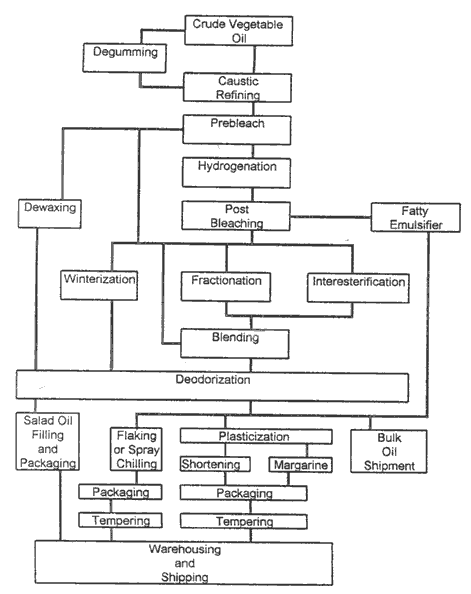
The chart below outlines the process:
Nothing like petroleum produced, overheated, oxidized, and chemically deodorized salad dressing for dinner…. yum.
(Compare that to butter… Step 1: milk cow. Step 2: let cream separate naturally. Step 3: skim off cream. Step 4: shake until it becomes butter.)
 The fat content of the human body is about 97% saturated and monounsaturated fat, with only 3% Polyunsaturated fats. Half of that three percent is Omega-3 fats, and that balance needs to be there. Vegetable oils contain very high levels of polyunsaturated fats, and these oils have replaced many of the saturated fats in our diets since the 1950s.
The body needs fats for rebuilding cells and hormone production, but it has to use the building blocks we give it. When we give it a high concentration of polyunsaturated fats instead of the ratios it needs, it has no choice but to incorporate these fats into our cells during cell repair and creation.
The problem is that polyunsaturated fats are highly unstable and oxidize easily in the body (if they haven’t already oxidized during processing or by light exposure while sitting on the grocery store shelf). These oxidized fats cause inflammation and mutation in cells.
In arterial cells, these mutations cause inflammation that can clog arteries. When these fats are incorporated into skin cells, their mutation causes skin cancer. (This is why people often get the most dangerous forms of skin cancer in places where they are never exposed to the sun, but that is a topic for another day!)
When these oils are incorporated into cells in reproductive tissue, some evidence suggests that this can spur problems like endometriosis and PCOS. In short, the body is made up of saturated and monounsaturated fats, and it needs these for optimal health.
 Unbalanced levels of Omega-3 and Omega-6 fats have been linked to skin cancer and many types of cancers. An article by the Institute For Natural Healing explains:
In one study performed at the University of Western Ontario, researchers observed the effects of ten different dietary fats ranging from most saturated to least saturated. What they found is that saturated fats produced the least number of cancers, while omega-6 polyunsaturated fats produced the most.
Numerous other studies have also shown that polyunsaturated fats stimulate cancer while saturated fat does not, and that saturated fats do not break down to form free radicals.
These chemicals have been shown to produce potential cancer causing compounds in the body, and have also been linked to liver/kidney damage, immune problems, infertility or sterility, high cholesterol, and behavioral problems in children.
Vegetable oils also contain residues of the pesticides and chemicals used in their growth and manufacture and most often come from genetically modified sources.
This same thing applies to unborn babies and children, whose cells are dividing at high rates. There is more potential for mutation because there are more cells dividing. This article by Healing Naturally By Bee reveals:
"What the scientific literature does tell us is that low fat diets for children, or diets in which vegetable oils have been substituted for animal fats, result in failure to thrive–failure to grow tall and strong–as well as learning disabilities, susceptibility to infection and behavioral problems. Teenage girls who adhere to such a diet risk reproductive problems. If they do manage to conceive, their chances of giving birth to a low birth weight baby, or a baby with birth defects, are high."
Excess consumption of vegetable oils also causes problems with hormone production, since hormones are dependent on certain fats for their manufacture. Vegetable oils that are hardened by hydrogenation to make shortening or margarine are especially damaging.
Vegetable oil consumption has been linked to a host of other problems, among them (from the same article above):
"In test animals, diets high in polyunsaturates from vegetable oils inhibit the ability to learn, especially under conditions of stress; are toxic to the liver; compromise the integrity of the immune system; depress the mental and physical growth of infants; increase levels of uric acid in the blood; cause abnormal fatty acid profiles in the adipose tissues: have been linked to mental decline and chromosomal damage and accelerate aging. Excess consumption of polyunsaturates is associated with increasing rates of cancer, heart disease and weight gain."
In light of all that information, how do you sort out which oils are healthy, and which ones aren’t. Even more important, how do you know how much of each one to consume to be healthy?
• Canola Oil
• Corn Oil
• Soybean Oil
• “Vegetable” oil
• Peanut Oil
• Sunflower Oil
• Safflower Oil
• Cottonseed Oil
• Grapeseed Oil
• Margarine
• Shortening
• I Can’t Believe Its Not Butter (You better believe it!)
• Smart Balance (Not a Smart idea!)
• Any fake butter or vegetable oils products
• Salad Dressings
• Store Bought Condiments
• Mayo
• Chips
• Artificial Cheeses
• Store bought nuts and snacks
• Cookies
• Crackers
• Snack Foods
• Sauces
• Practically anything sold in the middle aisles of the store
 Filled with Medium Chain Fatty Acids and Lauric Acid, coconut oil is an all star of the saturated fats. Since the fat composition in cells in the body is largely saturated fat, it is important to get enough of it from healthy sources. Coconut oil does not oxidize easily at high temperatures or go rancid easily, making it a good choice for cooking and baking. It also makes a great natural moisturizer and can be substituted for butter.
High in monounsaturated fats and low in polyunsaturated fats, olive oil is a great oil for salad dressings, homemade mayo, and cold recipes. It shouldn’t be used for cooking since its high monounsaturated fat content makes it susceptible to oxidation at high temperatures.
These seeds contain a good amount of Omega-3s and are great to add to salads and smoothies! I don’t recommend flax or chia oil however, as the Omega-3 is easily corrupted by heat and oxygen and can quickly go rancid.
http://www.foodmatters.tv/articles-1/butter-vs-margarine
By Wellness Mama
When it comes to the butter aisle, picking the best product for your health can be a confusing decision that ends up leaving a lot of people stumped. It's no wonder so many people don't know whether they should be opting for butter or margarine as years ago we were continuously told that butter was a big no-no.
This caused vegetable-oil based margarines to increase in popularity as doctors started warning patients about the dangers of saturated fats and recommending that margarine was the safer alternative for heart conditions.
We're going to stop this confusion and reveal why you should never consume vegetable oil or margarine! Aside from “healthy whole grains,” vegetable oils and margarine are some of the most misunderstood and over-recommended foods in the health community.
You’ve probably heard these referred to as “heart healthy oils,” a good alternative to those “artery clogging saturated fats.” These oils are supposed to help lower cholesterol and blood pressure, increase weight loss, and somehow improve overall health.
Only one problem... again, science doesn’t back these claims up!
What Are Vegetable Oils / Margarine?
Vegetable oils (and margarine, made from these oils) are oils extracted from seeds like the rapeseed (canola oil) soybean (soybean oil), corn, sunflower, safflower, etc. They were practically non-existent in our diets until the early 1900s when new chemical processes allowed them to be extracted.Unlike butter or coconut oil, these vegetable oils can’t be extracted just by pressing or separating naturally. They must be chemically removed, deodorized, and altered. These are some of the most chemically altered foods in our diets, yet they get promoted as healthy.
Vegetable oils are found in practically every processed food, from salad dressing to mayo to conventional nuts and seeds. These oils are some of the most harmful substances you can put into your body, but more on that in a minute!
How Vegetable Oils Are Made
Vegetable oils are manufactured in a factory, usually from genetically modified crops that have been heavily treated with pesticides.Take for instance, the common Canola oil, the beauty queen of the vegetable oil industry. It was developed by making a hybrid version of the rapeseed, and it was given its name in the 1980s as part of a marketing effort organized by a conference on mono-saturates.
Rapeseed oil contains high amounts of the toxic erucic acid, which is poisonous to the body. Canola oil is an altered version, also called Low Erucic Acid Rapeseed (LEAR) and it is commonly genetically modified and treated with high levels of pesticides.
Canola (modified rapeseed oil) is produced by heating the rapeseed and processing with a petroleum solvent to extract the oil. Then another process of heat and addition of acid is used to remove nasty solids (wax) that occur during the first processing.
At this point, the newly created canola oil must be treated with more chemicals to improve color and separate the different parts of the oil. Finally, since the chemical process has created a harsh smelling oil, it must be chemically deodorized to be palatable.
If the vegetable oil is going to be made into shortening or margarine, is undergoes an additional process called hydrogenation to make it solid at cold temperatures. Unlike saturated fats (butter, coconut oil, etc.) vegetable oils are not naturally solid at these temperatures and must be hydrogenated to accomplish this. During this process of hydrogenation, those lovely trans fats we’ve heard so much about are created.
The chart below outlines the process:
Nothing like petroleum produced, overheated, oxidized, and chemically deodorized salad dressing for dinner…. yum.
(Compare that to butter… Step 1: milk cow. Step 2: let cream separate naturally. Step 3: skim off cream. Step 4: shake until it becomes butter.)What’s Wrong With Vegetable Oils?
There are many problems with vegetable oil consumption, and in my opinion, no amount is safe. To understand why, let’s look at a few of the biggest problems with vegetable oils:Our Bodies Aren’t Meant To Consume Them!
The fat content of the human body is about 97% saturated and monounsaturated fat, with only 3% Polyunsaturated fats. Half of that three percent is Omega-3 fats, and that balance needs to be there. Vegetable oils contain very high levels of polyunsaturated fats, and these oils have replaced many of the saturated fats in our diets since the 1950s.The body needs fats for rebuilding cells and hormone production, but it has to use the building blocks we give it. When we give it a high concentration of polyunsaturated fats instead of the ratios it needs, it has no choice but to incorporate these fats into our cells during cell repair and creation.
The problem is that polyunsaturated fats are highly unstable and oxidize easily in the body (if they haven’t already oxidized during processing or by light exposure while sitting on the grocery store shelf). These oxidized fats cause inflammation and mutation in cells.
In arterial cells, these mutations cause inflammation that can clog arteries. When these fats are incorporated into skin cells, their mutation causes skin cancer. (This is why people often get the most dangerous forms of skin cancer in places where they are never exposed to the sun, but that is a topic for another day!)
When these oils are incorporated into cells in reproductive tissue, some evidence suggests that this can spur problems like endometriosis and PCOS. In short, the body is made up of saturated and monounsaturated fats, and it needs these for optimal health.
Vegetable Oils Contain High Levels Of Omega-6 Fatty Acids
I’ve talked before about how the body needs Omega-3 and Omega-6 fats in balance, preferably a 1:1 ratio. Most people consume a much higher ratio of Omega-6 fats, and this can lead to problems.Unbalanced levels of Omega-3 and Omega-6 fats have been linked to skin cancer and many types of cancers. An article by the Institute For Natural Healing explains:In one study performed at the University of Western Ontario, researchers observed the effects of ten different dietary fats ranging from most saturated to least saturated. What they found is that saturated fats produced the least number of cancers, while omega-6 polyunsaturated fats produced the most.
Numerous other studies have also shown that polyunsaturated fats stimulate cancer while saturated fat does not, and that saturated fats do not break down to form free radicals.
Chemicals And Additives In Vegetable Oils And Fats
Since vegetable oils are chemically produced, its not really surprising that they contain harmful chemicals. Most vegetable oils and their products contain BHA and BHT (Butylated Hydroxyanisole and Butylated Hydroxytoluene) which are artificial antioxidants that help prevent food from oxidizing or spoiling too quickly.These chemicals have been shown to produce potential cancer causing compounds in the body, and have also been linked to liver/kidney damage, immune problems, infertility or sterility, high cholesterol, and behavioral problems in children.
Vegetable oils also contain residues of the pesticides and chemicals used in their growth and manufacture and most often come from genetically modified sources.
Reproductive Problems And Problems In Children Caused By Vegetable Oil Consumption
Vegetable oils are extremely damaging to the reproductive system and the developing bodies of unborn babies and children. Because the reproductive system in both men and women is constantly producing and dividing new cells, there is potential for mutation and problems when these cells are made of the wrong kind of fats and are oxidized.This same thing applies to unborn babies and children, whose cells are dividing at high rates. There is more potential for mutation because there are more cells dividing. This article by Healing Naturally By Bee reveals:
"What the scientific literature does tell us is that low fat diets for children, or diets in which vegetable oils have been substituted for animal fats, result in failure to thrive–failure to grow tall and strong–as well as learning disabilities, susceptibility to infection and behavioral problems. Teenage girls who adhere to such a diet risk reproductive problems. If they do manage to conceive, their chances of giving birth to a low birth weight baby, or a baby with birth defects, are high."
Excess consumption of vegetable oils also causes problems with hormone production, since hormones are dependent on certain fats for their manufacture. Vegetable oils that are hardened by hydrogenation to make shortening or margarine are especially damaging.
Other Effects Of Vegetable Oils On The Body
Because vegetable oils oxidize easily, they deplete the body of antioxidants since the body must use these to attempt to neutralize the oxidation. People with high consumption of vegetable oils and their products are at risk for Vitamin E deficiency and other deficiencies.Vegetable oil consumption has been linked to a host of other problems, among them (from the same article above):
"In test animals, diets high in polyunsaturates from vegetable oils inhibit the ability to learn, especially under conditions of stress; are toxic to the liver; compromise the integrity of the immune system; depress the mental and physical growth of infants; increase levels of uric acid in the blood; cause abnormal fatty acid profiles in the adipose tissues: have been linked to mental decline and chromosomal damage and accelerate aging. Excess consumption of polyunsaturates is associated with increasing rates of cancer, heart disease and weight gain."
In light of all that information, how do you sort out which oils are healthy, and which ones aren’t. Even more important, how do you know how much of each one to consume to be healthy?
Oils And Fats To Avoid:
Vegetable Oils and their fats should be avoided completely. There are much healthier alternatives and there is no reason or need to consume these types of fats. The main culprits to watch out for are:• Canola Oil
• Corn Oil
• Soybean Oil
• “Vegetable” oil
• Peanut Oil
• Sunflower Oil
• Safflower Oil
• Cottonseed Oil
• Grapeseed Oil
• Margarine
• Shortening
• I Can’t Believe Its Not Butter (You better believe it!)
• Smart Balance (Not a Smart idea!)
• Any fake butter or vegetable oils products
There is no nutritional need for these oils and healthy fats can be found in higher amounts and better ratios in many other types of fats.
These foods in particular often contain one of the above unhealthy oils:• Salad Dressings
• Store Bought Condiments
• Mayo
• Chips
• Artificial Cheeses
• Store bought nuts and snacks
• Cookies
• Crackers
• Snack Foods
• Sauces
• Practically anything sold in the middle aisles of the store
What To Do With The Vegetable Oils You Have Already?
If you already have some of the unhealthy vegetable oils in your house… don’t eat them! I’m not a fan of waste either, so use them up in other ways. They can be used to make homemade play dough or floor cleaner. You can also stick them in your shed for oiling tools. (Did I mention, don’t eat them!)10 Healthy Fats We Love!
There are so many wonderful and healthy fats that are beneficial to the body, so there is no reason to consume the unhealthy vegetable oils above. Fats that can be consumed freely for optimal health are:1. Coconut Oil
Filled with Medium Chain Fatty Acids and Lauric Acid, coconut oil is an all star of the saturated fats. Since the fat composition in cells in the body is largely saturated fat, it is important to get enough of it from healthy sources. Coconut oil does not oxidize easily at high temperatures or go rancid easily, making it a good choice for cooking and baking. It also makes a great natural moisturizer and can be substituted for butter.2. Avocados and Avocado Oil
A good source of monounsaturated fats and great on salads or in guacamole. Avocado oil is milk tasting and can be used in salad dressings.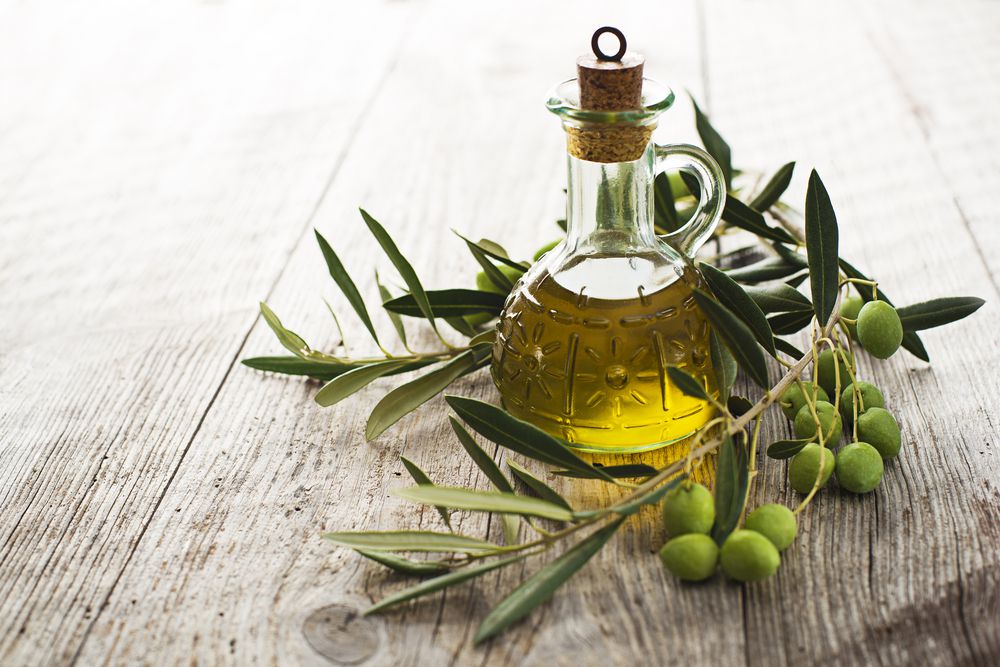
3. Olive Oil
High in monounsaturated fats and low in polyunsaturated fats, olive oil is a great oil for salad dressings, homemade mayo, and cold recipes. It shouldn’t be used for cooking since its high monounsaturated fat content makes it susceptible to oxidation at high temperatures.
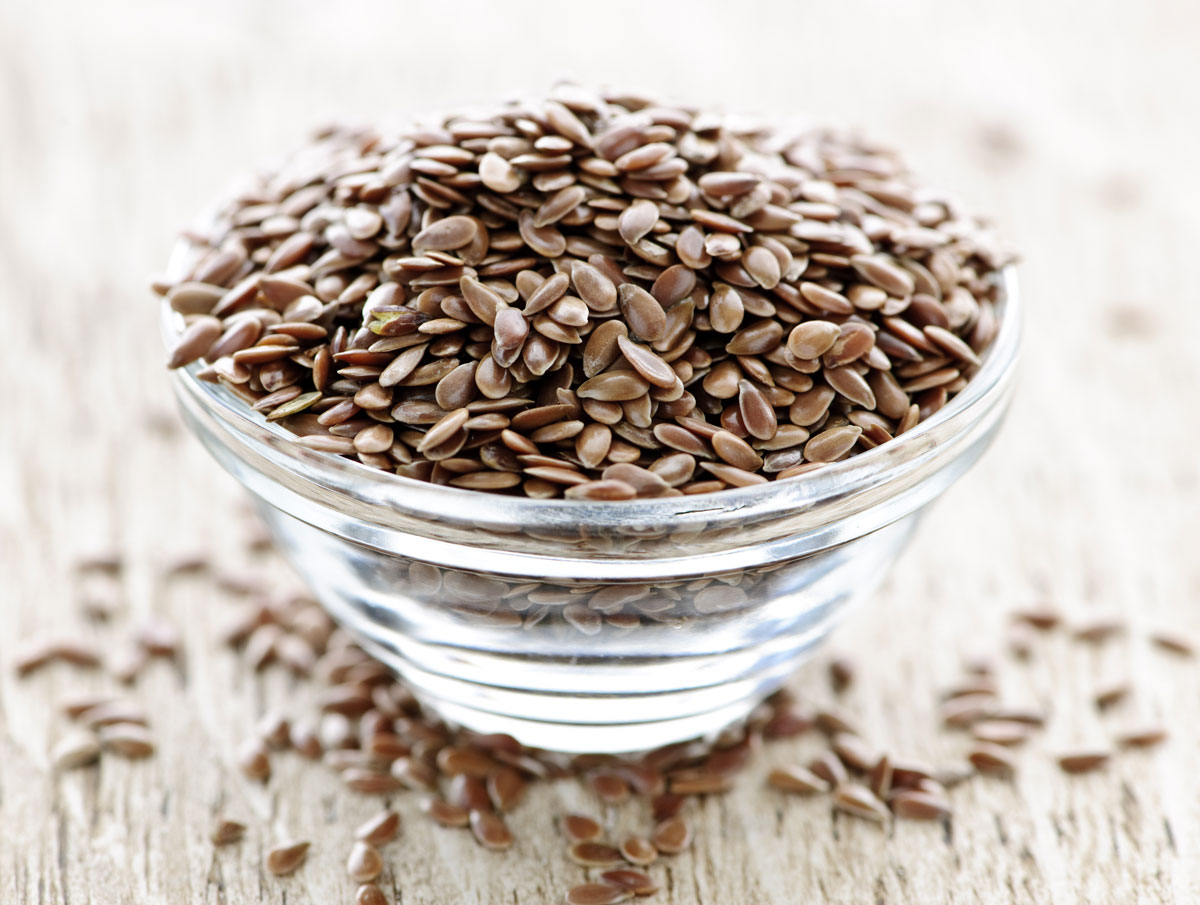 4. Chia Seeds & Flaxseeds
These seeds contain a good amount of Omega-3s and are great to add to salads and smoothies! I don’t recommend flax or chia oil however, as the Omega-3 is easily corrupted by heat and oxygen and can quickly go rancid.5. Macadamia Nut Oil & Walnut Oil
These are some of my favorite tasting oils, but it is expensive. It is great in salad dressings or mayo. It has a lot of monounsaturated fats and low levels of polyunsaturated fats.6. Nuts
Most types of nuts (remember peanuts are not nuts) are a good source of protein and healthy fats and can be eaten in moderation without problem. Just check to make sure they haven’t been cooked in vegetable oils, which is often the case. Nuts also contain phytic acid, so consuming them in excess can be problematic for tooth and bone health unless you soak them.And for those who choose to consume animal products then the following are recommended for their healthy fat profile:
7. Pasture Fed Cultured Dairy (Kefir, Yoghurt & Butter)
If you do consumer dairy then making sure it is organic / biodynamic, pasture fed and raw where possible is best. The cultured dairy products are by far easier to digest including yoghurt, kefir, cultured butter and cheese. When prepared in the traditional way using the best raw quality ingredients these foods can impart healthy fats including Vitamin D.8. Pasture Raised Eggs
Another all-star in the healthy fats community, eggs are loaded with vitamins, healthy fats and necessary cholesterol. Make sure the eggs have been raised in a pastured environment so that the chickens are able to eat their natural wild diet of herbs, weeds and insects which is the basis for the rich omega-3 content in their eggs. Also, most of the beneficial fats are in the yoke and it is best kept gently cooked / under cooked.9. Wild and Grass Fed Meats
Many meats have gotten a bad rap, and unfortunately, the animals most people eat have been as mistreated nutritionally which is one of the biggest problems. If you choose to eat meat then meats like grassfed beef and free range chicken can have a very different nutritional profile than their feedlot counterparts. Grassfed and free range meats have higher nutrient levels, healthy forms of saturated fats and even omega-3s.10. Wild Fish
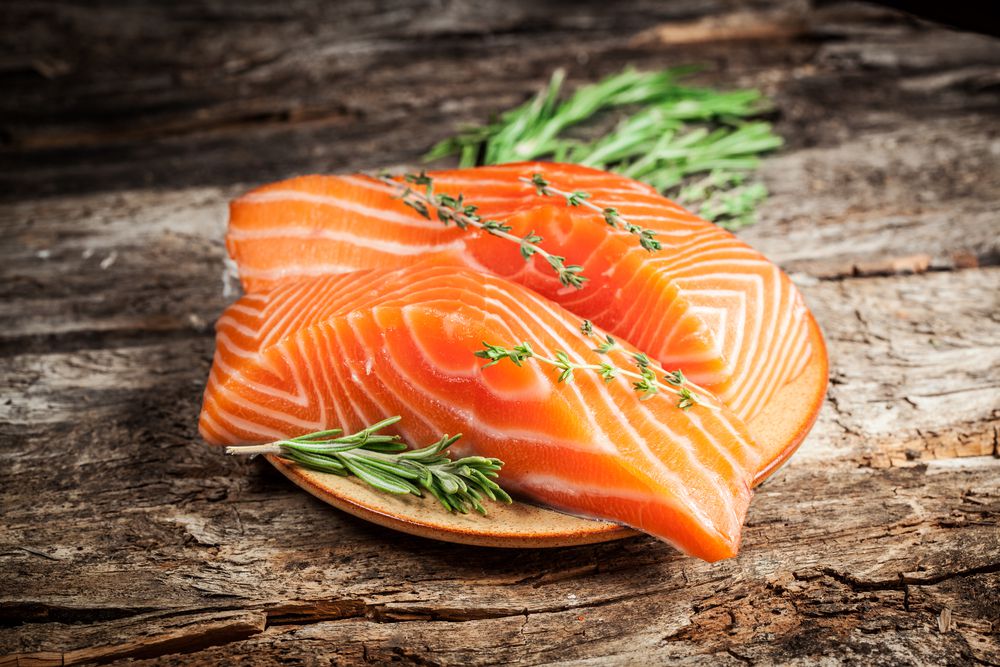
Fish are naturally high in Omega-3 fatty acids and can help improve the Omega-3/Omega-6 balance in the body. Look for sustainable wild caught sources, and stick to small fish to minimize mercury.
Monday, October 14, 2013
How To Protect Your Memory with Supplements
Reposted from Life Extension
http://blog.lef.org/2013/08/protect-your-memory-with-supplements.html
Maylin Rodriguez-Paez, RN
You've probably had at least a few “senior moments” in your lifetime, who hasn't? Now this doesn't necessarily mean that you’ll develop Alzheimer’s disease; it just means that your brain has normal lapses just like everyone else’s.
So if you’re like most of us, you probably want to keep your brain as sharp as possible as the years go by. Keeping your precious memories within reach is pretty important, because after all, they help define the very essence of your being.
And since you’re never too young or too old to start, the best time to start protecting your memory is now.
So consider these three proven memory-boosting supplements sooner than later. Why? Because they actually work.
In one study, people supplementing with 1.5 to 2 grams of acetyl-L-carnitine daily showed improvement in memory scores.1 These individuals had mild cognitive impairment (MCT), a condition which involves some degree of memory loss but is not yet dementia. Acetyl-L-carnitine has also benefited early-stage Alzheimer’s patients.2
Huperzine A works in a similar fashion to certain Alzheimer’s drugs. It inhibits acetylcholinesterase,3 an enzyme that breaks down acetylcholine.
Young, healthy adults taking huperzine A have experienced improved learning and memory.4 Older adults have experienced benefits as well.
In a review of four clinical trials, huperzine A was found to significantly improve cognitive scores in Alzheimer’s disease patients.5 It also improved the ability to perform activities of daily living.
In a study, animals given magnesium L-threonate experienced an 18% increase in short-term memory and a 100% increase for long-term memory.6 So how does it work?
Magnesium L-threonate increases synaptic density.7 These are the connections between neurons in the brain. The more connections, it’s believed, the better one’s memory, concentration, and attention span.
Magnesium L-threonate also protects the brain against oxidative stress, a process which destroys neurons. For this reason, we seriously suggest giving this one an extra look.
So exercise your brain daily, take on new hobbies or learn something new, and consider giving some of the supplements mentioned in this post a try. Being proactive now could mean many more enjoyable years later, filled with the memories you've spent your life creating.
Have you been using any of the supplements we’ve mentioned above yourself? If so, please tell us what you think in the comments!
http://blog.lef.org/2013/08/protect-your-memory-with-supplements.html
Maylin Rodriguez-Paez, RN

You've probably had at least a few “senior moments” in your lifetime, who hasn't? Now this doesn't necessarily mean that you’ll develop Alzheimer’s disease; it just means that your brain has normal lapses just like everyone else’s.
So if you’re like most of us, you probably want to keep your brain as sharp as possible as the years go by. Keeping your precious memories within reach is pretty important, because after all, they help define the very essence of your being.
And since you’re never too young or too old to start, the best time to start protecting your memory is now.
So consider these three proven memory-boosting supplements sooner than later. Why? Because they actually work.
Memory Protector #1: Acetyl-L-Carnitine
Acetyl-L-carnitine is a combination of carnitine (an antioxidant found in red meat) and an acetyl group. You've probably heard of acetylcholine. It’s the neurotransmitter that regulates thought, learning, and memory. Well, acetyl-L-carnitine helps its production.In one study, people supplementing with 1.5 to 2 grams of acetyl-L-carnitine daily showed improvement in memory scores.1 These individuals had mild cognitive impairment (MCT), a condition which involves some degree of memory loss but is not yet dementia. Acetyl-L-carnitine has also benefited early-stage Alzheimer’s patients.2
Memory Protector #2: Huperzine A
Huperzine A is a plant extract derived from Chinese club moss. It’s used in traditional Chinese medicine.Huperzine A works in a similar fashion to certain Alzheimer’s drugs. It inhibits acetylcholinesterase,3 an enzyme that breaks down acetylcholine.
Young, healthy adults taking huperzine A have experienced improved learning and memory.4 Older adults have experienced benefits as well.
In a review of four clinical trials, huperzine A was found to significantly improve cognitive scores in Alzheimer’s disease patients.5 It also improved the ability to perform activities of daily living.
Memory Protector #3: Magnesium L-Threonate
Magnesium L-threonate is a special type of magnesium that can easily cross the blood-brain barrier. This makes it unique because no other forms are known to cross easily.In a study, animals given magnesium L-threonate experienced an 18% increase in short-term memory and a 100% increase for long-term memory.6 So how does it work?
Magnesium L-threonate increases synaptic density.7 These are the connections between neurons in the brain. The more connections, it’s believed, the better one’s memory, concentration, and attention span.
Magnesium L-threonate also protects the brain against oxidative stress, a process which destroys neurons. For this reason, we seriously suggest giving this one an extra look.
The Bottom Line
Remember — you’re never too young or too old to start taking care of your brain. Regardless of where you are in life, now is the time to start putting the health of yours into full focus.So exercise your brain daily, take on new hobbies or learn something new, and consider giving some of the supplements mentioned in this post a try. Being proactive now could mean many more enjoyable years later, filled with the memories you've spent your life creating.
Have you been using any of the supplements we’ve mentioned above yourself? If so, please tell us what you think in the comments!
References
- Drugs Exp Clin Res. 1994;20(4):169-76.
- Zh Nevrol Psikhiatr Im S S Korsakova.2011;111(9):16-22.
- Nanomedicine. 2011 Feb;7(1):60-8.
- Zhongguo Yao Li Xue Bao. 1999 Jul;20(7):601-3.
- J Neural Transm. 2009 Apr;116(4):457-65.
- Neuron. 2010 Jan 28;65(2):165-77.
- J Neurosci. 2011 Oct 19;31(42):14871-81.
Sunday, October 13, 2013
How Resveratrol Combats Leading Causes of Death
Reposted from Life Extension
http://www.lef.org/magazine/mag2012/mar2012_How-Resveratrol-Combats-Leading-Causes-Death_01.htm
http://www.lef.org/magazine/mag2012/mar2012_How-Resveratrol-Combats-Leading-Causes-Death_01.htm
By Brian Vogelman
Since then, researchers have documented resveratrol’s ability to favorably modulate multiple processes associated with degenerative disease, from atherosclerosis to obesity. What had been lacking was a systematic, comprehensive overview of the available data to determine the underlying mechanisms by which resveratrol exerts its anti-aging effect. Until now! In 2011, the findings of the 2010 Resveratrol Conference2 held in Denmark were published. Its primary objective was to examine the totality of the evidence for resveratrol’s disease-preventing role in aging humans. Nearly 3,700 published studies were analyzed. In this article, you will discover the 12 mechanisms of action these experts identified by which resveratrol acts to combat the killer diseases of aging and delay the aging process itself. You will also learn of the latest data on resveratrol’s multimodal power to protect cells, tissues, and organ systems against five leading causes of death among Americans, including heart disease, cancer, and diabetes. The participating scientists at the 2010 conference covered a broad range of research on the biological effects of resveratrol. Since 1997, roughly 3,650 studies on resveratrol have been published, all of which were reviewed. Based on the most encouraging data, they focused specifically on resveratrol’s capacity to favorably modulate factors involved in cancer, heart disease, neurodegeneration, systemic inflammation, obesity, and diabetes.1,2 Out of this extensive analysis they isolated 12 mechanisms by which resveratrol exerts its anti-aging, disease-preventing effects (See table 1). A thorough review of the literature was then undertaken to identify their relevance in onset of various forms of degenerative disease. They found confirmatory evidence of resveratrol’s preventive role in five of the leading causes of death in maturing Americans (See table 2). Heart Disease
Recent studies confirm that a central mechanism of resveratrol’s activity is to mimic the biological effects of calorie restriction, which is known to extend life span in virtually all living organisms.4 Resveratrol helps to combat high blood pressure (hypertension) by a variety of mechanisms. It decreases inflammatory cell infiltration into blood vessel walls and improves those vessels’ ability to respond to changes in blood pressure.5 In addition, resveratrol has recently been shown to reduce the unfavorable remodeling and stiffening of blood vessels and heart muscle that results from sustained hypertension.5 Resveratrol also acts in the brainstem to reverse increases in blood pressure that are triggered by a variety of dietary and hormonal factors.6 Studies published in 2011 show that resveratrol helps mitigate the cholesterol elevations that result from obesity and a high-fat diet by directly regulating expression of genes that control lipid metabolism.7 Exposure to resveratrol triggers correction of abnormal fatty acid utilization, by inducing mitochondrial enzymes that help break down fat molecules.8 And in pigs with the equivalent of human metabolic syndrome, resveratrol supplementation lowered body mass indices, serum cholesterol, the inflammatory marker C-reactive protein, improved glucose tolerance and endothelial function.9 In the presence of sustained hypertension and/or elevated cholesterol and other fats, damage occurs to the delicate, reactive cells lining capillaries, known as endothelial cells. Endothelial dysfunction is a major contributor to heart attacks, strokes, and heart failure, and is an important target of cardiovascular disease prevention. New data show that resveratrol reduces the effects of both hypertension on endothelial cells and inhibits signs of endothelial dysfunction.10 Build-up of calcium in arteries is a major contributor to arterial stiffening and blockage that occurs fairly late in atherosclerosis.11 It also contributes to the inflammatory changes that exacerbate cardiovascular disease.12 Arterial calcification was formerly thought to be caused by passive accumulation of calcium, similar to mineral deposits in pipes. It is now known to be an active process whereby arterial cells “turn into” bone-forming cells as a result of age- and inflammation-induced genetic changes. Certain drugs, such as the now-withdrawn antidiabetic drug Avandia® (rosiglitazone), can hasten this destructive process.13 New data demonstrate that resveratrol slows or reverses the process by which arterial cells become “bone-like,” reducing the amount and extent of calcium build-up in arterial walls.11,13 Resveratrol limits the inflammation-inducing effects of calcium in cells lining blood vessels.12 In addition to elevated fat and calcium content in vessel walls, aggregation of clot-forming platelets contributes to arterial blockages resulting in heart attacks, strokes, and other cardiovascular events. New data now show that resveratrol inhibits the platelet aggregation that can trigger formation of a deadly blood clot.14 When an artery in the heart becomes blocked, blood flow to the heart is restricted, causing ischemic damage. Restoration of blood flow (reperfusion) makes matters worse, at first, by flooding the damaged tissue with oxygen free radicals. Sophisticated molecular probes have now revealed that resveratrol leaves a unique “footprint” in heart muscle that has been subjected to ischemia/reperfusion injury.15 The result is a considerable reduction in death (apoptosis) of cardiac cells following such an injury, and improved cardiovascular function.16 Resveratrol’s calorie restriction-mimicking effects directly improve mitochondrial function in energy-intensive heart muscle cells, making them beat more effectively and reducing their vulnerability to oxidative stress.4 Furthermore, we now understand that resveratrol produces cardioprotective effects in heart muscle cells that do undergo the massive oxidant stress of a heart attack or a serious infection.17
CancerMore than half a million Americans die of cancer each year, despite considerable strides in our understanding of the disease.18 The very first scientific study of resveratrol showed a preventive effect on skin cancer,1 and since that time more than 1,100 papers have been published on the subject of cancers in general.2 Today’s experts refer to resveratrol as “a promising natural weapon in the war against cancer.”19Breaking news since the 2010 Resveratrol Conference shows that resveratrol fights cancer on multiple levels.20 The following is a summary of the latest on resveratrol and cancer prevention. Resveratrol can prevent dangerous DNA “adducts,” modified stretches of DNA that, un-repaired, can trigger a cell to become cancerous in the step known as cancer initiation.21 Once initiated, cancers grow by proliferation of abnormal cells. Resveratrol is a modest anti-proliferative agent, as new data show. Consumption of resveratrol by human colon cancer patients reduced tumor cell proliferation by 5% at a dose of 500 to 1,000 mg daily for 8 days prior to surgery.22 And resveratrol inhibits an important cancer cell signaling pathway called STAT3, further reducing cancerous proliferation, as was recently shown in certain brain cancer cells.23 The body naturally controls cancer growth through the process of apoptosis, by which cancer cells are triggered to die off. Proper apoptosis requires activation of important “suicide” genes found in all cancer cells. Resveratrol has recently been found to increase expression and activation of one important “suicide” pathway known as p53.24 Insulin-like growth factor I (IGF-1) is important in growth and healing, but it also promotes cancer propagation once a malignancy has been initiated. A new human study showed that dosing with resveratrol at 2.5 grams/day (which is much higher than currently recommended) caused a significant decrease in circulating levels of IGF-1 and its binding protein, suggesting that suppression of IGF-1 may be involved in one of resveratrol’s anti-cancer mechanisms.25
Inflammation is now widely recognized as a cancer-promoting event. New evidence shows how resveratrol reduces production of inflammatory molecules such as leukotrienes by inhibiting the enzymes that produce them.27,28 Inflammation is also important in promoting cancer spread, or metastasis. In a 2011 study, resveratrol remarkably inhibited invasion and spread of melanoma cells by up to 75%.20 A class of tiny strands of material called RNA, known as microRNAs, is known to regulate cancer cell growth and development. In new research, resveratrol shows the ability to modify the microRNA content of cells, up-regulating cancer-suppressing microRNAs, while down-regulating cancer-promoting ones.29-31 As tumors grow, they stimulate new blood vessel growth to support their ravenous needs for nutrients. Inhibiting this process, known as angiogenesis, has become a major target of cancer prevention and treatment. Resveratrol, in recent studies, has been shown to stimulate new blood vessels in healthy tissue, but to inhibit their growth in malignant melanoma cell cultures as well as in whole tumors.32,33 All of this means resveratrol is reaching the level of large-scale clinical trials by mainstream physicians. Phase I, “dose-finding” studies have now been completed that validate resveratrol’s safety even at very high levels of up to 5 grams (this does not mean people should take this high dose yet).25,34 StrokeStrokes are caused by many of the same vascular changes that trigger heart attacks: atherosclerosis, plaque formation, and ultimately blood vessel occlusion that deprive brain tissue of vital blood flow. In addition, aging and certain conditions like diabetes cause brain blood vessels to lose their ability to dilate and increase blood flow as needed, exacerbating damage caused during a stroke. When blood flow is restored after the acute blood vessel blockage is resolved, oxygen free radicals occur abundantly and cause the final destruction of brain tissue. That process is known as ischemia/reperfusion injury.Resveratrol protects brain tissue from ischemia/reperfusion injury, according to a host of recently-released studies.35 Researchers at Johns Hopkins showed that resveratrol induces production of the enzyme heme oxygenase, which is protective against oxidative stress.36,37 Furthermore, resveratrol protects vulnerable mitochondria during ischemia/reperfusion injury, allowing them to continue their important job of providing cells with energy.38 During the acute phase of a stroke, excitatory neurotransmitters such as glutamate are released in large amounts.39 This release then triggers acute and chronic damage to brain cells. Researchers have now shown that resveratrol significantly prevents dangerous glutamate release following a stroke.39 Finally, new data show that treating diabetic animals with resveratrol restores the responsiveness of their brain arteries to blood flow variations.40 That allows them to re-direct blood flow to vital areas blocked by the stroke. The combined effect of these mechanisms is to reduce the size of a stroke significantly.41 Remarkably, this protection even occurs when resveratrol is given up to 6 hours after the stroke begins.41 Some experts are now hailing that discovery as evidence that resveratrol may be a potent new drug for use in treatment of acute ischemic stroke.41 Nonetheless, the strongest and most recent evidence suggests that resveratrol used regularly in advance of a stroke provides the best tolerance to an ischemic event if and when one should arise.42,43
Alzheimer’s Disease
Much of resveratrol’s neuroprotection arises from its ability to interfere in the cascade of events caused by accumulation of abnormal proteins known as amyloid-beta.49 Amyloid-beta triggers oxidative stress and inflammation that directly damages brain cells, especially in memory centers of the brain. That’s why Alzheimer’s patients have such profound and progressive memory loss. Resveratrol inhibits amyloid-beta toxicity at multiple points in the cascade.49 Resveratrol acts as a powerful antioxidant, scavenging oxygen free radicals and inducing protective enzymes such as heme oxygenase.36,50 Two recent studies demonstrated that the addition of melatonin synergistically enhances resveratrol’s neuroprotective effects.45,51 New data also show that resveratrol can prevent amyloid-beta molecules from clumping together into damaging oligomers, or small collections of individual molecules.48,52 That action significantly prevents amyloid-beta damage. Exciting new studies also show that resveratrol can remodel existing oligomers into non-toxic forms.53 Studies released in 2010 revealed that, by activating specific intracellular signaling pathways, resveratrol can reduce toxicity caused by the excitatory neurotransmitter glutamate.54 Glutamate toxicity is thought to be a major trigger for Alzheimer’s disease symptoms. An intriguing study published in late 2010 demonstrated that, by protecting brain mitochondria, the combination of resveratrol and mitochondria-targeted antioxidants could restore normal function in an experimental model of Alzheimer’s.55 That effect in turn produced new outgrowth of the tiny intercellular connections known as neurites, which are damaged or lost in Alzheimer’s and other neurodegenerative diseases.55 Finally, an important recent study showed that orally administered resveratrol achieves effective concentrations in brain tissue, meaning it crosses the blood-brain barrier that keeps so many other potentially beneficial compounds out. This finding has important implications for future research into resveratrol’s role in protection against neurodegenerative disease.56 DiabetesDiabetes is one of the most preventable chronic conditions known. It kills more than 70,000 Americans annually, and its complications impair function in hundreds of thousands more.3 Overweight and obesity, conditions that cause many cases of diabetes, now occur in nearly 70% of Americans, and contribute to untold numbers of additional untimely deaths.57 Resveratrol’s actions have been shown to protect against the development and consequences of this deadly condition.High blood sugar, both chronically and acutely following a meal, exerts massive oxidative stress on body proteins, ultimately changing their structure and inducing inflammation. It’s these changes that produce diabetic complications. New studies show that resveratrol, by activating the important SIRT-1 system, inhibits cellular oxidative stress and resulting inflammation in diabetes.58,59 Resveratrol improves insulin sensitivity through its effects on SIRT-1.58,60 New, highly detailed data reveal that these benefits arise from resveratrol’s ability to stimulate metabolic sensing pathways in cells that allow them to use insulin and glucose more effectively, helping to reduce blood sugar levels.61 Glucose-damaged blood vessels lose their ability to regulate blood flow in brain and heart tissue, contributing to heart attack and stroke damage. Chronic resveratrol treatment has recently been found to restore blood vessel responsiveness in diabetic animals.40 As a result of these basic mechanisms, resveratrol is showing promise in protecting against virtually all forms of diabetic complications. Resveratrol may be beneficial in treating or preventing diabetic foot syndrome, a devastating loss of nerve function and blood flow that results in thousands of amputations annually.62 Resveratrol treatment retarded progression of diabetic kidney disease through modulation of oxidative stress and inflammation in a 2011 animal study.63 Muscle wasting and deranged lipid metabolism are common in diabetes; resveratrol ameliorated both issues in one recent study.64 Abnormal blood vessel leakiness is a major cause of diabetic eye disease, a condition that can now be blocked by resveratrol treatment in an animal model of early diabetes.65 SummaryA 2010 international conference found that resveratrol operates via twelve key mechanisms to combat five of the ten leading age-related causes of death in the US.Studies released since that time further clarify and amplify the power of resveratrol to prevent, and in some cases reverse, the biological changes associated with chronic disease and aging. Compelling evidence is now available for resveratrol’s ability to favorably modulate factors implicated in the onset of heart disease, cancer, stroke, Alzheimer’s disease, and diabetes. If you have any questions on the scientific content of this article, please call a Life Extension® Health Advisor at 1-866-864-3027. | ||||||||||||||||||||||||||||||||||||||||||
| References | ||||||||||||||||||||||||||||||||||||||||||
| 1. Jang M, Cai L, Udeani GO, et al. Cancer chemopreventive activity of resveratrol, a natural product derived from grapes. Science. 1997 Jan 10;275(5297):218-20. 2. Vang O, Ahmad N, Baile CA, et al. What is new for an old molecule? Systematic review and recommendations on the use of resveratrol. PLoS One. 2011;6(6):e19881. 3. Available at: http://www.cdc.gov/nchs/fastats/lcod.htm. Accessed August 31, 2011. 4. Dolinsky VW, Dyck JR. Calorie restriction and resveratrol in cardiovascular health and disease. Biochim Biophys Acta. 2011 Jul 1. 5. Chan V, Fenning A, Iyer A, Hoey A, Brown L. Resveratrol improves cardiovascular function in DOCA-salt hypertensive rats. Curr Pharm Biotechnol. 2011 Mar 1;12(3):429-36. 6. Subramanian M, Balasubramanian P, Garver H, et al. Chronic estradiol-17beta exposure increases superoxide production in the rostral ventrolateral medulla and causes hypertension: reversal by resveratrol. Am J Physiol Regul Integr Comp Physiol. 2011 Jun;300(6):R1560-8. 7. Azorin-Ortuno M, Yanez-Gascon MJ, Gonzalez-Sarrias A, et al. Effects of long-term consumption of low doses of resveratrol on diet-induced mild hypercholesterolemia in pigs: a transcriptomic approach to disease prevention. J Nutr Biochem. 2011 Aug 16. 8. Bastin J, Lopes-Costa A, Djouadi F. Exposure to resveratrol triggers pharmacological correction of fatty acid utilization in human fatty acid oxidation-deficient fibroblasts. Hum Mol Genet. 2011 May 15;20(10):2048-57. 9. Robich MP, Osipov RM, Chu LM, et al. Resveratrol modifies risk factors for coronary artery disease in swine with metabolic syndrome and myocardial ischemia. Eur J Pharmacol. 2011 Aug 16;664(1-3):45-53. 10. Xia L, Ding F, Zhu JH, Fu GS. Resveratrol attenuates apoptosis of pulmonary microvascular endothelial cells induced by high shear stress and proinflammatory factors. Hum Cell. 2011 Sep 3. 11. Takemura A, Iijima K, Ota H, et al. Sirtuin 1 retards hyperphosphatemia-induced calcification of vascular smooth muscle cells. Arterioscler Thromb Vasc Biol. 2011 Sep;31(9):2054-62. 12. Gutierrez-Perez A, Cortes-Rojo C, Noriega-Cisneros R, et al. Protective effects of resveratrol on calcium-induced oxidative stress in rat heart mitochondria. J Bioenerg Biomembr. 2011 Apr;43(2):101-7. 13. Bruedigam C, Eijken M, Koedam M, Chiba H, van Leeuwen JP. Opposing actions of rosiglitazone and resveratrol on mineralization in human vascular smooth muscle cells. J Mol Cell Cardiol. 2011 Jul 28. 14. Yang Y, Wang X, Zhang L, An H, Zao Z. Inhibitory effects of resveratrol on platelet activation induced by thromboxane a(2) receptor agonist in human platelets. Am J Chin Med. 2011;39(1):145-59. 15. Mukhopadhyay P, Pacher P, Das DK. MicroRNA signatures of resveratrol in the ischemic heart. Ann N Y Acad Sci. 2011 Jan;1215:109-16. 16. Usta E, Mustafi M, Walker T, Ziemer G. Resveratrol suppresses apoptosis in intact human cardiac tissue - in vitro model simulating extracorporeal circulation. J Cardiovasc Surg (Torino). 2011 Jun;52(3):399-409. 17. Sebai H, Sani M, Aouani E, Ghanem-Boughanmi N. Cardioprotective effect of resveratrol on lipopolysaccharide-induced oxidative stress in rat. Drug Chem Toxicol. 2011 Apr;34(2):146-50. 18. Available at: http://www.cdc.gov/nchs/fastats/cancer.htm. Accessed August 31, 2011. 19. Shukla Y, Singh R. Resveratrol and cellular mechanisms of cancer prevention. Ann N Y Acad Sci. 2011 Jan;1215:1-8. 20. Salado C, Olaso E, Gallot N, et al. Resveratrol prevents inflammation-dependent hepatic melanoma metastasis by inhibiting the secretion and effects of interleukin-18. J Transl Med. 2011;9:59. 21. Zahid M, Saeed M, Beseler C, Rogan EG, Cavalieri EL. Resveratrol and N-acetylcysteine block the cancer-initiating step in MCF-10F cells. Free Radic Biol Med. 2011 Jan 1;50(1):78-85. 22. Patel KR, Brown VA, Jones DJ, et al. Clinical pharmacology of resveratrol and its metabolites in colorectal cancer patients. Cancer Res. 2010 Oct 1;70(19):7392-9. 23. Yang YP, Chang YL, Huang PI, et al. Resveratrol suppresses tumorigenicity and enhances radiosensitivity in primary glioblastoma tumor initiating cells by inhibiting the STAT3 axis. J Cell Physiol. 2011 Apr 18. 24. Hsieh TC, Wong C, Bennett DJ, Wu JM. Regulation of p53 and cell proliferation by resveratrol and its derivatives in breast cancer cells: An in silico and biochemical approach targeting integrin alphavbeta3. Int J Cancer. 2011 Jan 10. 25. Brown VA, Patel KR, Viskaduraki M, et al. Repeat dose study of the cancer chemopreventive agent resveratrol in healthy volunteers: safety, pharmacokinetics, and effect on the insulin-like growth factor axis. Cancer Res. 2010 Nov 15;70(22):9003-11. 26. Chow HH, Garland LL, Hsu CH, et al. Resveratrol modulates drug- and carcinogen-metabolizing enzymes in a healthy volunteer study. Cancer Prev Res (Phila). 2010 Sep;3(9):1168-75. 27. Chatterjee M, Das S, Janarthan M, Ramachandran HK. Role of 5-lipoxygenase in resveratrol mediated suppression of 7,12-dimethylbenz(alpha)anthracene-induced mammary carcinogenesis in rats. Eur J Pharmacol. 2011 Oct 1;668(1-2):99-106. 28. Oi N, Jeong CH, Nadas J, et al. Resveratrol, a red wine polyphenol, suppresses pancreatic cancer by inhibiting leukotriene ahydrolase. Cancer Res. 2010 Dec 1;70(23):9755-64. 29. Tili E, Michaille JJ. Resveratrol, microRNAs, inflammation, and cancer. J Nucleic Acids. 2011;2011:102431. 30. Tili E, Michaille JJ, Adair B, et al. Resveratrol decreases the levels of miR-155 by upregulating miR-663, a microRNA targeting JunB and JunD. Carcinogenesis. 2010 Sep;31(9):1561-6. 31. Tili E, Michaille JJ, Alder H, et al. Resveratrol modulates the levels of microRNAs targeting genes encoding tumor-suppressors and effectors of TGFbeta signaling pathway in SW480 cells. Biochem Pharmacol. 2010 Dec 15;80(12):2057-65. 32. Trapp V, Parmakhtiar B, Papazian V, Willmott L, Fruehauf JP. Anti-angiogenic effects of resveratrol mediated by decreased VEGF and increased TSP1 expression in melanoma-endothelial cell co-culture. Angiogenesis. 2010 Dec;13(4):305-15. 33. Kunimasa K, Ohta T, Tani H, et al. Resveratrol derivative-rich melinjo (Gnetum gnemon L.) seed extract suppresses multiple angiogenesis-related endothelial cell functions and tumor angiogenesis. Mol Nutr Food Res. 2011 Sep 21. 34. la Porte C, Voduc N, Zhang G, et al. Steady-State pharmacokinetics and tolerability of trans-resveratrol 2000 mg twice daily with food, quercetin and alcohol (ethanol) in healthy human subjects. Clin Pharmacokinet. 2010 Jul 1;49(7):449-54. 35. Albani D, Polito L, Signorini A, Forloni G. Neuroprotective properties of resveratrol in different neurodegenerative disorders. Biofactors. 2010 Sep;36(5):370-6. 36. Bastianetto S, Quirion R. Heme oxygenase 1: another possible target to explain the neuroprotective action of resveratrol, a multifaceted nutrient-based molecule. Exp Neurol. 2010 Oct;225(2):237-9. 37. Sakata Y, Zhuang H, Kwansa H, Koehler RC, Dore S. Resveratrol protects against experimental stroke: putative neuroprotective role of heme oxygenase 1. Exp Neurol. 2010 Jul;224(1):325-9. 38. Agrawal M, Kumar V, Kashyap MP, Khanna VK, Randhawa GS, Pant AB. Ischemic insult induced apoptotic changes in PC12 cells: protection by trans resveratrol. Eur J Pharmacol. 2011 Sep;666(1-3):5-11. 39. Li C, Yan Z, Yang J, et al. Neuroprotective effects of resveratrol on ischemic injury mediated by modulating the release of neurotransmitter and neuromodulator in rats. Neurochem Int. 2010 Feb;56(3):495-500. 40. Arrick DM, Sun H, Patel KP, Mayhan WG. Chronic resveratrol treatment restores vascular responsiveness of cerebral arterioles in type 1 diabetic rats. Am J Physiol Heart Circ Physiol. 2011 Sep;301(3):H696-703. 41. Shin JA, Lee H, Lim YK, Koh Y, Choi JH, Park EM. Therapeutic effects of resveratrol during acute periods following experimental ischemic stroke. J Neuroimmunol. 2010 Oct 8;227(1-2):93-100. 42. Saleh MC, Connell BJ, Saleh TM. Resveratrol preconditioning induces cellular stress proteins and is mediated via NMDA and estrogen receptors. Neuroscience. 2010 Mar 17;166(2):445-54. 43. Zhang F, Wu Y. Resveratrol may be an effective prophylactic agent for ischemic stroke. J Formos Med Assoc. 2011 Aug;110(8):485-6. 44. Available at: http://www.cdc.gov/nchs/fastats/alzheimr.htm. Accessed August 31, 2011. 45. Kwon KJ, Kim HJ, Shin CY, Han SH. Melatonin potentiates the neuroprotective properties of resveratrol against beta-amyloid-induced neurodegeneration by modulating AMP-activated protein kinase pathways. J Clin Neurol. 2010 Sep;6(3):127-37. 46. Sun AY, Wang Q, Simonyi A, Sun GY. Resveratrol as a therapeutic agent for neurodegenerative diseases. Mol Neurobiol. 2010 Jun;41(2-3):375-83. 47. Wang J, Fivecoat H, Ho L, Pan Y, Ling E, Pasinetti GM. The role of Sirt1: at the crossroad between promotion of longevity and protection against Alzheimer’s disease neuropathology. Biochim Biophys Acta. 2010 Aug;1804(8):1690-4. 48. Albani D, Polito L, Forloni G. Sirtuins as novel targets for Alzheimer’s disease and other neurodegenerative disorders: experimental and genetic evidence. J Alzheimers Dis. 2010;19(1):11-26. 49. Feng Y, Wang XP, Yang SG, et al. Resveratrol inhibits beta-amyloid oligomeric cytotoxicity but does not prevent oligomer formation. Neurotoxicology. 2009 Nov;30(6):986-95. 50. Granzotto A, Zatta P. Resveratrol acts not through anti-aggregative pathways but mainly via its scavenging properties against Abeta and Abeta-metal complexes toxicity. PLoS One. 2011;6(6):e21565. 51. Kwon KJ, Kim JN, Kim MK, et al. Melatonin synergistically increases resveratrol-induced heme oxygenase-1 expression through the inhibition of ubiquitin-dependent proteasome pathway: a possible role in neuroprotection. J Pineal Res. 2011 Mar;50(2):110-23. 52. Richard T, Pawlus AD, Iglesias ML, et al. Neuroprotective properties of resveratrol and derivatives. Ann N Y Acad Sci. 2011 Jan;1215:103-8. 53. Ladiwala AR, Lin JC, Bale SS, et al. Resveratrol selectively remodels soluble oligomers and fibrils of amyloid Abeta into off-pathway conformers. J Biol Chem. 2010 Jul 30;285(31):24228-37. 54. Lee EO, Park HJ, Kang JL, Kim HS, Chong YH. Resveratrol reduces glutamate-mediated monocyte chemotactic protein-1 expression via inhibition of extracellular signal-regulated kinase 1/2 pathway in rat hippocampal slice cultures. J Neurochem. 2010 Mar;112(6):1477-87. 55. Manczak M, Mao P, Calkins MJ, et al. Mitochondria-targeted antioxidants protect against amyloid-beta toxicity in Alzheimer’s disease neurons. J Alzheimers Dis. 2010;20 Suppl 2:S609-31. 56. Vingtdeux V, Giliberto L, Zhao H, et al. AMP-activated protein kinase signaling activation by resveratrol modulates amyloid-beta peptide metabolism. J Biol Chem. 2010 Mar 19;285(12):9100-13. 57. Available at: http://www.cdc.gov/obesity/data/trends.html. Accessed August 31, 2011. 58. Yun JM, Chien A, Jialal I, Devaraj S. Resveratrol up-regulates SIRT1 and inhibits cellular oxidative stress in the diabetic milieu: mechanistic insights. J Nutr Biochem. 2011 Aug 1. 59. Ghanim H, Sia CL, Abuaysheh S, et al. An antiinflammatory and reactive oxygen species suppressive effects of an extract of Polygonum cuspidatum containing resveratrol. J Clin Endocrinol Metab. 2010 Sep;95(9):E1-8. 60. Knight CM, Gutierrez-Juarez R, Lam TK, et al. Mediobasal Hypothalamic Sirtuin 1 Is Essential for Resveratrol’s Effects on Insulin Action in Rats. Diabetes. 2011 Sep 6. 61. Brasnyo P, Molnar GA, Mohas M, et al. Resveratrol improves insulin sensitivity, reduces oxidative stress and activates the Akt pathway in type 2 diabetic patients. Br J Nutr. 2011 Aug;106(3):383-9. 62. Bashmakov YK, Assaad-Khalil S, Petyaev IM. Resveratrol may be beneficial in treatment of diabetic foot syndrome. Med Hypotheses. 2011 Sep;77(3):364-7. 63. Chang CC, Chang CY, Wu YT, Huang JP, Yen TH, Hung LM. Resveratrol retards progression of diabetic nephropathy through modulations of oxidative stress, proinflammatory cytokines, and AMP-activated protein kinase. J Biomed Sci. 2011;18(1):47. 64. Chen KH, Cheng ML, Jing YH, Chiu DT, Shiao MS, Chen JK. Resveratrol ameliorates metabolic disorders and muscle wasting in streptozotocin-induced diabetic rats. Am J Physiol Endocrinol Metab. 2011 Jul 26. 65. Kim YH, Kim YS, Roh GS, Choi WS, Cho GJ. Resveratrol blocks diabetes-induced early vascular lesions and vascular endothelial growth factor induction in mouse retinas. Acta Ophthalmol. 2011 Sep 13. | ||||||||||||||||||||||||||||||||||||||||||


Thursday, October 10, 2013
How To Eat When Battling Cancer
Reposted from Life Extension
http://blog.lef.org/2013/10/how-to-eat-when-battling-cancer.html
Maylin Rodriguez-Paez, RN A cancer diagnosis is probably just about the scariest news anyone could ever receive in their life. It can also be very confusing. There’s tons of information to weed through and it’s very easy to become overwhelmed, scared, and discouraged.
As such, here’s an attempt to simplify the basics of a critical component for anyone following a cancer diagnosis — your nutrition.
A healthy, nutritious diet is really important when you’re being treated for cancer. It can make a big impact on the outcome of your treatments and your quality of life. So, it’s essential that you take your diet very seriously during this time.
If you or someone you love has been diagnosed with cancer, we really hope this helps to take some of the guesswork out of the equation.
Specific compounds in cruciferous vegetables have been shown to kill ovarian, prostate, lung, and breast cancer cells in culture.2-5 In one study, eating broccoli was associated with an increased rate of survival in bladder cancer patients.6
Cancer cells thrive on sugar, and insulin (a glucose-transporter) is a growth factor for many tumors.7 In animal studies, low carb diets have been associated with slowed tumor growth.8
Be careful with juicing. It’s a great way to incorporate more vegetables into your diet, but it can also be a source of excess sugar (if you’re juicing fruits). Eat whole fruits instead.
Cut back on animal products (meat, chicken, and dairy). They’re a source of omega-6 fatty acids and saturated fats. In the body, they’re processed and converted into 5-LOX, an inflammatory enzyme linked to cancer development and proliferation.10
Eat anti-inflammatory foods instead. Flax seeds, chia seeds, tart cherries, olives, soy, seaweed, dark fruits, berries, cold water fish, green tea, ginger, and nuts are just to name a few. And let’s not forget, omega-3s which help to ease inflammation.
Maitake and shiitake mushrooms, for example, contain beta glucans and other polysaccharides with immune stimulating properties. These natural compounds activate key players in the immune system to prevent the proliferation and spread of cancer cells.11
Clinical trials are in the early stages, but so far compelling results have been seen for cancers of the breast, uterus, cervix, prostate, and GI tract.
However, since supplementation can be tricky for cancer patients, it’s best to receive personalized suggestions before starting a new program. And just in case you didn't already know, we have a team of oncology health advisors on staff that can help with just that.
If you’d like some guidance, consider giving them a call at 1-800-226-2370 (yes, it's free)!
http://blog.lef.org/2013/10/how-to-eat-when-battling-cancer.html
Maylin Rodriguez-Paez, RN
 A cancer diagnosis is probably just about the scariest news anyone could ever receive in their life. It can also be very confusing. There’s tons of information to weed through and it’s very easy to become overwhelmed, scared, and discouraged.
As such, here’s an attempt to simplify the basics of a critical component for anyone following a cancer diagnosis — your nutrition.
A healthy, nutritious diet is really important when you’re being treated for cancer. It can make a big impact on the outcome of your treatments and your quality of life. So, it’s essential that you take your diet very seriously during this time.
If you or someone you love has been diagnosed with cancer, we really hope this helps to take some of the guesswork out of the equation.
Eat Fresh Vegetables
According to research, eating fruits and vegetables could lower one’s overall risk of dying from cancer.1 So, they should form the foundation of your diet. In particular, pay extra attention to cruciferous vegetables (e.g. kale, broccoli, radishes, and cauliflower). They’re notable for their anti-cancer properties.Specific compounds in cruciferous vegetables have been shown to kill ovarian, prostate, lung, and breast cancer cells in culture.2-5 In one study, eating broccoli was associated with an increased rate of survival in bladder cancer patients.6
Avoid Sugar
Avoid refined carbohydrates, sweets, and foods with added sweeteners. They contain simple carbohydrates which are quickly broken down into sugar.Cancer cells thrive on sugar, and insulin (a glucose-transporter) is a growth factor for many tumors.7 In animal studies, low carb diets have been associated with slowed tumor growth.8
Be careful with juicing. It’s a great way to incorporate more vegetables into your diet, but it can also be a source of excess sugar (if you’re juicing fruits). Eat whole fruits instead.
Cut Back on Inflammatory Foods
Cancer is inflammatory in nature. In fact, it’s believed that 95% of cancers involve nuclear factor-kappa B, a key orchestrator of inflammation. 9Cut back on animal products (meat, chicken, and dairy). They’re a source of omega-6 fatty acids and saturated fats. In the body, they’re processed and converted into 5-LOX, an inflammatory enzyme linked to cancer development and proliferation.10
Eat anti-inflammatory foods instead. Flax seeds, chia seeds, tart cherries, olives, soy, seaweed, dark fruits, berries, cold water fish, green tea, ginger, and nuts are just to name a few. And let’s not forget, omega-3s which help to ease inflammation.
Eat Immune Boosting Foods
Incorporate immune boosting foods into your diet. These include garlic, onions, ginger, green tea, yogurt, oats, barley, and mushrooms.Maitake and shiitake mushrooms, for example, contain beta glucans and other polysaccharides with immune stimulating properties. These natural compounds activate key players in the immune system to prevent the proliferation and spread of cancer cells.11
Add Turmeric to Your Dishes
Add turmeric to your dishes. Not only does it add color, it adds nutritional value as well. Its key ingredient, curcumin, has been shown to fight cancer in a number of studies.12Clinical trials are in the early stages, but so far compelling results have been seen for cancers of the breast, uterus, cervix, prostate, and GI tract.
Take Your Supplements
A variety of supplements may help during cancer treatments. For example, higher vitamin D levels have been associated with higher rates of survival among colorectal cancer patients.13However, since supplementation can be tricky for cancer patients, it’s best to receive personalized suggestions before starting a new program. And just in case you didn't already know, we have a team of oncology health advisors on staff that can help with just that.
If you’d like some guidance, consider giving them a call at 1-800-226-2370 (yes, it's free)!
References:
- Am J Epidemiol. 2004 Dec 15;160(12):1223-33.
- Acta Obstet Gynecol Scand. 2007 Oct;86(10):1263-8.
- PLoS One. 2012;7(10):e47186.
- J Nat Prod. 2008 Nov;71(11):1911-4.
- Exp Biol Med (Maywood). 2004 Sep;229(8):835-42.
- Cancer Epidemiol Biomarkers Prev. 2010 Jul;19(7):1806-11.
- Integr Cancer Ther. 2003 Dec;2(4):315-29.
- Prostate. 2013 Apr;73(5):449-54.
- Mol Cell Biochem. 2010 Mar;336(1-2):25-37.
- Cancer Metastasis Rev. 2007 Dec;26(3-4):503-24.
- Int Immunopharmacol. 2007 Jun;7(6):701-24.
- Front Biosci (Schol Ed). 2012 Jan 1;4:335-55.
- Br J Cancer. 2009 Sep 15;101(6):916-23.
Sunday, September 29, 2013
Three-Step Strategy to Reverse Mitochondrial Aging
Reposted from Life Extension
http://www.lef.org/magazine/mag2013/aug2013_Three-Step-Strategy-to-Reverse-Mitochondrial-Aging_01.htm
Newly released research underscores the vital importance of coenzyme Q10 (CoQ10) to mitochondrial health.
A study released ahead of print in April 2013 by the journal Mitochondrion has found that patients with mitochondrial DNA depletion syndrome (MDS) have significantly deficient levels of CoQ10.85 MDS is a hereditary condition characterized by grossly reduced cellular levels of mitochrondrial DNA in infancy. MDS involves various progressive disorders that are often fatal in childhood.86
Currently, there are no effective therapies available for MDS86—but this recent finding indicates that CoQ10 could represent a candidate therapy for this condition.
The suggestion that CoQ10 may constitute a therapeutic hope for treating this serious mitochondrial-deficiency disorder demonstrates just how powerfully CoQ10 protects mitochondria.
This also underscores CoQ10’s vital importance in slowing or reversing the “natural” aging process in healthy individuals.
A huge research advance in 2012 showed that the coenzyme pyrroloquinoline quinone (or PQQ) activates genes that induce mitochondrial biogenesis—the spontaneous formation of new mitochondria in aging cells!57
This represents a major breakthrough in battling the mitochondrial destruction that underlies aging.
PQQ deficiency has a profound effect on your genes—especially those involved in cellular stress, cell signaling, transport of metabolites, and of course, the creation of new mitochondria.57 Specifically, PQQ deficiency negatively affects the expression pattern of 438 genes—but research has found that this effect is reversed after supplementation with PQQ.57
Prior to this breakthrough, some of the only scientifically validated ways to reliably stimulate the creation of new mitochondria were sustained calorie restriction or strenuous physical activity—both of which are too rigorous and impractical for most aging people.58,59 PQQ now provides the most practical means of reversing the deadly decline in functional mitochondria that is the underlying cause of premature aging and degenerative disease.
Earlier findings repeatedly indicated PQQ’s central role as a potent growth factor.60,61 In preclinical trials, when animals were deprived of dietary PQQ, they exhibited stunted growth, impaired conception rates, and most importantly, fewer mitochondria.62-64 However, re-introducing PQQ into the diet reversed these effects—while simultaneously increasing mitochondrial number and energetic efficiency.62,63
Like CoQ10, PQQ also actively supports the energy transfer within the mitochondria that supplies the body with most of its bioenergy. Its exceptional stability allows it to carry out thousands of these transfers without undergoing molecular breakdown. PQQ has been proven especially effective in neutralizing two of the most potent free radicals, the superoxide and hydroxyl radicals.65
In a revealing 2010 study, scientists reported that similar protection of mitochondrial function that is seen with some other compounds (such as quercetin, hydroxytyrosol, and resveratrol) at high dietary concentrations measured in millimoles occurs with PQQ at dietary concentrations measured in nanomoles.66 In other words, it takes a million times more of these other compounds to have a mitochondria-protective effect equivalent to PQQ!
The revelation of its ability to favorably affect system-wide cell development, metabolism, and mitochondrial biogenesis helps explain the wealth of data on PQQ’s neuroprotective and cardioprotective benefits.
PQQ has now been shown to block the development of abnormal proteins linked with neurodegenerative diseases. For example, it prevents cellular damage and demise due to accumulation of amyloid beta protein associated with Alzheimer’s disease,67,68 and of the alpha-synuclein protein that is associated with Parkinson’s disease.57,69
In humans, supplementation with 20 milligrams a day of PQQ significantly improved cognitive function in middle-aged and elderly people. These results were amplified when the subjects also took 300 milligrams per day of CoQ10.70
In animal studies, researchers investigating its impact on cardiovascular disease have demonstrated that PQQ reduces the size of the heart area damaged by acute heart attack and favorably decreases lipid peroxidation.71 PQQ also helps heart muscle cells resist acute oxidative stress—specifically by preserving and enhancing mitochondrial function.72
Neither humans nor the bacteria that colonize the human digestive tract have demonstrated the ability to synthesize PQQ,73 which has led researchers to classify it as an essential micronutrient. This means that the body can’t make enough of it for good health—and that supplementation is essential.74
 We’ve already learned that CoQ10 protects mitochondria from free radical damage. It does this by “depleting” itself—by donating its own electrons to (and thus neutralizing) the flood of free radicals generated during cellular energy production. Of course, this results in depleted stores of active CoQ10.
Studies have detailed how shilajit, a phyto-mineral pitch substance found in the Himalayas,75-77 stabilizes, revitalizes, and preserves CoQ10 in its active (ubiquinol) form, boosting the levels of CoQ10 available to protect against mitochondrial aging. 78-81
Cutting-edge scientific evidence has demonstrated that components of shilajit serve as electron reservoirs, replenishing electrons lost by CoQ10 and allowing this vital coenzyme to remain active longer.78-80
Shilajit’s potent support of CoQ10’s mitochondrial protection against aging was validated when laboratory mice were subjected to strenuous and stressful physical exercise. The combination of shilajit and CoQ10 resulted in 27% greater ATP energy production in muscle cells—and in 40% greater energy production in brain cells—than the energy increase measured in these tissues with CoQ10 alone.80
In other research, mice were initially supplemented with oral CoQ10 alone. As expected, CoQ10 levels rose in heart, liver, and kidney tissue. Remarkably, when components from shilajit were added to the supplement, CoQ10 levels rose even further—as much as 29% in liver tissue.81
Another element of shilajit—fulvic acid—has been shown to further support this process by channeling other electron-rich shilajit components into the mitochondria to support CoQ10 and electron transfer.82 Fulvic acid also works independently to stimulate mitochondrial energy metabolism and protect mitochondrial membranes from oxidative damage.82,83
In an unpublished study, people who took 200 milligrams of shilajit once daily for 15 days registered an increase in ATP levels in the blood after exercise. 84
Ultimately, the synergistic effects of shilajit plus CoQ10—combined with the capacity of PQQ to create new mitochondria—offer an unparalleled option to protect mitochondrial DNA and combat aging!
Called a “coenzyme” because of its unique ability to participate in chemical reactions but remain at steady-state levels in the cell, coenzyme Q10 plays a central role in energy metabolism.28-30
CoQ10’s ability to cycle back and forth between ubiquinone and ubiquinol accounts for many of its unique properties. Ubiquinol, with its ability to scavenge free radicals, is an electron donor, while ubiquinone is an electron acceptor. This remarkable ability to cyclically accept and donate electrons, as well as to effect complementary chemical reactions in the mitochondria, accounts for CoQ10’s unparalleled value to almost all life forms.
The chemical difference between ubiquinone and ubiquinol is that the ubiquinol compound contains two hydroxyl groups. These two hydroxyl groups enable ubiquinol to be more easily dissolved into water than ubiquinone, thus making it easier to assimilate, which helps explain why it is so much more bioavailable than ubiquinone.
In a side-by-side single-dose human study, ubiquinol absorption was compared directly to conventional CoQ10 (ubiquinone) using the same delivery system. Subjects were given either 100 mg of ubiquinol or 100 mg of ubiquinone. The findings showed that in aged test subjects, ubiquinol absorption was 60% greater in this single-dose side-by-side comparison.87
A review of published studies on human subjects reveals that it requires very high doses of ubiquinone CoQ10 to achieve the same levels attainable with modest amounts of ubiquinol CoQ10.88-92 Clinical studies using 1,200 and 2,400 mg per day of ubiquinone achieved CoQ10 blood levels similar to 150 and 300 mg per day respectively of ubiquinol.88-91
Scientists have discovered that it can take almost a decade for this aging damage to become permanent. The good news is that early stage mitochondrial dysfunction can be reversed!
Breakthrough research found that two coenzymes (CoQ10 and PQQ) can work together to protect mitochondria against free radical assaults—and to create new mitochondria in the process.
Supplemental coenzyme Q10 blocks mitochondrial aging, while PQQ triggers the creation of new mitochondria. In addition, shilajit works synergistically with CoQ10, replenishing its electrons and prolonging its antioxidative effectiveness.
Taken together, CoQ10 and PQQ and shilajit offer a potent program to inhibit—and reverse—the intensely destructive cycle that is believed to be a root source of aging!
If you have any questions on the scientific content of this article, please call a Life Extension® Health Advisor at 1-866-864-3027.
http://www.lef.org/magazine/mag2013/aug2013_Three-Step-Strategy-to-Reverse-Mitochondrial-Aging_01.htm
By Michael Downey
Have you ever wondered how long you’re going to live? The potential answer can be found in the energy-producing cellular powerhouses called mitochondria.
According to a growing number of cell biologists, the number and functionality of the mitochondria specifically determine an individual’s life span.1-3
When we’re young, we are relatively protected against mitochondrial deterioration. As we age, however, changes within our cells lead to the destruction of mitochondria—paving the way for aging and disease.4-8
In 2007 scientists made a remarkable age-reversal discovery:
In this article, you’ll learn about a 3-step program aimed at restoring your body’s vital mitochondrial health:
 Found inside the body’s cells, mitochondria are responsible for producing our primary source of energy, adenosine triphosphate (ATP). ATP provides at least 95% of the cellular energy that powers all living functions.
Unfortunately, a byproduct of this energy generation is the formation of a huge stream of free radicals.4-7 Free radicals are molecules that possess a free electron—a property that makes them react with other molecules in volatile and highly destructive ways.10-12
Free radicals attack the structure of our cell membranes, creating metabolic waste products that disturb DNA and RNA production, interfere with the synthesis of protein, and destroy important cellular enzymes. Vital tissues and molecules decay under the assaults of free radicals.10-14 In addition, free-radical disruption of cell mechanics creates mutant cells, which are linked to cancer and cellular aging.15,16
Mitochondria are the easiest targets of free-radical injury for two reasons:
Mitochondrial dysfunction is primarily seen in organs and tissues that have a high demand for energy—explaining why cardiovascular tissue and brain neurons are among the most susceptible.24
When we’re young, we are largely protected against mitochondrial deterioration because our bodies produce substances to defend mitochondria from the onslaught of free radicals. However, as we age, that protection wanes, setting us up for a destructive cycle that accelerates aging and disease. As a result of this rapidly accelerating process, mitochondria in the cells of elderly people are mostly dysfunctional, whereas young individuals have virtually no mitochondrial damage.8,25-27
 Over time, there are three devastating changes within our cells that lead to the destruction of mitochondria—paving the way for aging and disease:4-7
Based on this body of scientific evidence, scientists determined that a key to slowing—and even reversing—a “natural” aging process would be a substance aimed at revitalizing youthful mitochondrial protection from free radicals.27
They discovered this mitochondrial solution in a substance that may already be in your nutrient regimen…coenzyme Q10.
CoQ10’s ability to protect the vital mitochondria helps put an end to the vicious cycle that underscores a critical aspect of pathological aging. In fact, research with laboratory models has suggested that CoQ10 may be one of our most potent anti-aging nutrients. Studies have found that when cells or organisms are deficient in CoQ10, mitochondrial oxidative stress increases and aging is accelerated.28,31 However, supplementation triggers a significant slowing down of the aging process and an extended life span.32,33
One study showed that rats supplemented with CoQ10 experience a 24% increase in maximum life span and an 11.7% increase in average life span.34 In human terms, based on today’s life expectancy of 78.5 years, this mean increase translates to a more than 9-year increase in life span!35
CoQ10 also seems to work via a multi-targeted set of epigenetic mechanisms that not only slow aging—but that also protect against a variety of mitochondria-related diseases.36-38 Epigenetic mechanisms involve changes in gene function that do not relate to changes in gene structure.39 Studies have shown that CoQ10 protects against neurodegenerative diseases40-42 and mental health disorders,43 enhances lung function,44,45 guards against the effects of elevated glucose in diabetes and metabolic syndrome,46-48 and offers impressive defense against cardiovascular disease, one of the primary diseases of aging.49-51
Animal studies demonstrate that supplementation with CoQ10 reduces oxidative stress and reduces the buildup of amyloid-beta plaque (associated with Alzheimer’s disease)40-42,52,53 —resulting in a significant improvement in cognitive performance and memory.53
In human studies, 4 weeks to 6 months of CoQ10 supplementation at 60-300 milligrams a day was shown to improve cardiac systolic function and ejection fraction.49,50 One study showed that 8 weeks of CoQ10 supplementation at 300 milligrams a day improved heart-muscle systolic function by enhancing both mitochondrial performance and endothelial function.50 And in a 5-year, randomized, double-blind, placebo-controlled trial among elderly individuals, CoQ10 combined with selenium slashed the death rate from cardiovascular disease by more than half!54 In fact, the authors of one study recognized CoQ10 as a “scientific breakthrough in the management of chronic heart failure.”55
CoQ10 offers a powerful way to help slow—or even reverse—a natural aging process by restoring youthful mitochondrial protection from free radicals.27,56
According to a growing number of cell biologists, the number and functionality of the mitochondria specifically determine an individual’s life span.1-3
When we’re young, we are relatively protected against mitochondrial deterioration. As we age, however, changes within our cells lead to the destruction of mitochondria—paving the way for aging and disease.4-8
In 2007 scientists made a remarkable age-reversal discovery:
Damage to mitochondrial DNA becomes permanent a decade after mitochondrial dysfunction begins—and in the early stages, this damage remains reversible.9
Step 1: Boost your body’s natural mitochondrial DNA defenses with CoQ10.This strategy to reduce damage to existing mitochondrial DNA and create new mitochondria—is essential to inhibit a destructive cycle believed to be a root cause of aging.
Step 2: Stimulate the creation of new mitochondria with PQQ.
Step 3: Support your body’s mitochondrial defense system with shilajit.
Why We Need Mitochondria
Unfortunately, a byproduct of this energy generation is the formation of a huge stream of free radicals.4-7 Free radicals are molecules that possess a free electron—a property that makes them react with other molecules in volatile and highly destructive ways.10-12
Free radicals attack the structure of our cell membranes, creating metabolic waste products that disturb DNA and RNA production, interfere with the synthesis of protein, and destroy important cellular enzymes. Vital tissues and molecules decay under the assaults of free radicals.10-14 In addition, free-radical disruption of cell mechanics creates mutant cells, which are linked to cancer and cellular aging.15,16
Mitochondria are the easiest targets of free-radical injury for two reasons:
- They are located exactly where these free radicals are produced, and
- They lack most of the antioxidant defenses found in other parts of the cell.17,18
Mitochondrial dysfunction is primarily seen in organs and tissues that have a high demand for energy—explaining why cardiovascular tissue and brain neurons are among the most susceptible.24
When we’re young, we are largely protected against mitochondrial deterioration because our bodies produce substances to defend mitochondria from the onslaught of free radicals. However, as we age, that protection wanes, setting us up for a destructive cycle that accelerates aging and disease. As a result of this rapidly accelerating process, mitochondria in the cells of elderly people are mostly dysfunctional, whereas young individuals have virtually no mitochondrial damage.8,25-27
The Mitochondrial Theory of Aging
- The rate of cellular production of two free radicals—superoxide anions and hydrogen peroxide —significantly increases, attacking mitochondria the most.
- At the same time, intracellular levels of endogenous antioxidants that help prevent the harmful effects of free radicals decrease. There’s also a reduction in activities of free radical-scavengers that neutralize free radicals before they can attach themselves to other molecules. These decreases diminish the mitochondria’s normal defenses.
- The accumulated oxidative damage to the mitochondrial DNA and other mitochondrial components (as well as the cell as a whole) leads to decay of the mitochondria—and from that decay, the release of even more free radicals!
Based on this body of scientific evidence, scientists determined that a key to slowing—and even reversing—a “natural” aging process would be a substance aimed at revitalizing youthful mitochondrial protection from free radicals.27
They discovered this mitochondrial solution in a substance that may already be in your nutrient regimen…coenzyme Q10.
What You Need to Know
 |
Block Mitochondrial Aging
- Daily damage to mitochondrial DNA appears to be a root mechanism of aging.
- If caught before it becomes permanent, early stage mitochondrial dysfunction can be reversed!
- Levels of CoQ10—the body’s natural mitochondrial defense—decline rapidly with age. But breakthrough research has found that supplemental CoQ10 blocks mitochondrial aging.
- Shilajit works synergistically with CoQ10 by replenishing its electron supply and increasing CoQ10 levels.
- PQQ powerfully supports the protection afforded by CoQ10 and shilajit by triggering the creation of new mitochondria.
- Taken together, CoQ10, PQQ, and shilajit offer a potent program to inhibit the intensely destructive cycle believed to be one of the root sources of aging!
Coenzyme Q10 Protects Mitochondria
Scientists have established that coenzyme Q10 (CoQ10) is an essential nutrient for normal mitochondrial function (namely, the production and transfer of energy).28-30 When CoQ10 levels fall, mitochondrial dysfunction skyrockets.28 Studies have found that boosting CoQ10 levels via supplementation increases mitochondrial electron transport—whether the cells are deficient in CoQ10 or not.29,30CoQ10’s ability to protect the vital mitochondria helps put an end to the vicious cycle that underscores a critical aspect of pathological aging. In fact, research with laboratory models has suggested that CoQ10 may be one of our most potent anti-aging nutrients. Studies have found that when cells or organisms are deficient in CoQ10, mitochondrial oxidative stress increases and aging is accelerated.28,31 However, supplementation triggers a significant slowing down of the aging process and an extended life span.32,33
One study showed that rats supplemented with CoQ10 experience a 24% increase in maximum life span and an 11.7% increase in average life span.34 In human terms, based on today’s life expectancy of 78.5 years, this mean increase translates to a more than 9-year increase in life span!35
CoQ10 also seems to work via a multi-targeted set of epigenetic mechanisms that not only slow aging—but that also protect against a variety of mitochondria-related diseases.36-38 Epigenetic mechanisms involve changes in gene function that do not relate to changes in gene structure.39 Studies have shown that CoQ10 protects against neurodegenerative diseases40-42 and mental health disorders,43 enhances lung function,44,45 guards against the effects of elevated glucose in diabetes and metabolic syndrome,46-48 and offers impressive defense against cardiovascular disease, one of the primary diseases of aging.49-51
Animal studies demonstrate that supplementation with CoQ10 reduces oxidative stress and reduces the buildup of amyloid-beta plaque (associated with Alzheimer’s disease)40-42,52,53 —resulting in a significant improvement in cognitive performance and memory.53
In human studies, 4 weeks to 6 months of CoQ10 supplementation at 60-300 milligrams a day was shown to improve cardiac systolic function and ejection fraction.49,50 One study showed that 8 weeks of CoQ10 supplementation at 300 milligrams a day improved heart-muscle systolic function by enhancing both mitochondrial performance and endothelial function.50 And in a 5-year, randomized, double-blind, placebo-controlled trial among elderly individuals, CoQ10 combined with selenium slashed the death rate from cardiovascular disease by more than half!54 In fact, the authors of one study recognized CoQ10 as a “scientific breakthrough in the management of chronic heart failure.”55
CoQ10 offers a powerful way to help slow—or even reverse—a natural aging process by restoring youthful mitochondrial protection from free radicals.27,56
CoQ10: Potential Therapy for Inherited Mitochondrial Disorder
 |
A study released ahead of print in April 2013 by the journal Mitochondrion has found that patients with mitochondrial DNA depletion syndrome (MDS) have significantly deficient levels of CoQ10.85 MDS is a hereditary condition characterized by grossly reduced cellular levels of mitochrondrial DNA in infancy. MDS involves various progressive disorders that are often fatal in childhood.86
Currently, there are no effective therapies available for MDS86—but this recent finding indicates that CoQ10 could represent a candidate therapy for this condition.
The suggestion that CoQ10 may constitute a therapeutic hope for treating this serious mitochondrial-deficiency disorder demonstrates just how powerfully CoQ10 protects mitochondria.
This also underscores CoQ10’s vital importance in slowing or reversing the “natural” aging process in healthy individuals.
PQQ Creates New Mitochondria
While coenzyme Q10 optimizes mitochondrial function and protects them from free radical damage, scientists have found another coenzyme that triggers the creation of new mitochondria altogether.A huge research advance in 2012 showed that the coenzyme pyrroloquinoline quinone (or PQQ) activates genes that induce mitochondrial biogenesis—the spontaneous formation of new mitochondria in aging cells!57
This represents a major breakthrough in battling the mitochondrial destruction that underlies aging.
PQQ deficiency has a profound effect on your genes—especially those involved in cellular stress, cell signaling, transport of metabolites, and of course, the creation of new mitochondria.57 Specifically, PQQ deficiency negatively affects the expression pattern of 438 genes—but research has found that this effect is reversed after supplementation with PQQ.57
Prior to this breakthrough, some of the only scientifically validated ways to reliably stimulate the creation of new mitochondria were sustained calorie restriction or strenuous physical activity—both of which are too rigorous and impractical for most aging people.58,59 PQQ now provides the most practical means of reversing the deadly decline in functional mitochondria that is the underlying cause of premature aging and degenerative disease.
Earlier findings repeatedly indicated PQQ’s central role as a potent growth factor.60,61 In preclinical trials, when animals were deprived of dietary PQQ, they exhibited stunted growth, impaired conception rates, and most importantly, fewer mitochondria.62-64 However, re-introducing PQQ into the diet reversed these effects—while simultaneously increasing mitochondrial number and energetic efficiency.62,63
Like CoQ10, PQQ also actively supports the energy transfer within the mitochondria that supplies the body with most of its bioenergy. Its exceptional stability allows it to carry out thousands of these transfers without undergoing molecular breakdown. PQQ has been proven especially effective in neutralizing two of the most potent free radicals, the superoxide and hydroxyl radicals.65
5,000 Times More Effective than Vitamin C!
Research demonstrates that PQQ is 30 to 5,000 times more efficient at reducing oxidation than other common antioxidants such as vitamin C.60In a revealing 2010 study, scientists reported that similar protection of mitochondrial function that is seen with some other compounds (such as quercetin, hydroxytyrosol, and resveratrol) at high dietary concentrations measured in millimoles occurs with PQQ at dietary concentrations measured in nanomoles.66 In other words, it takes a million times more of these other compounds to have a mitochondria-protective effect equivalent to PQQ!
The revelation of its ability to favorably affect system-wide cell development, metabolism, and mitochondrial biogenesis helps explain the wealth of data on PQQ’s neuroprotective and cardioprotective benefits.
PQQ has now been shown to block the development of abnormal proteins linked with neurodegenerative diseases. For example, it prevents cellular damage and demise due to accumulation of amyloid beta protein associated with Alzheimer’s disease,67,68 and of the alpha-synuclein protein that is associated with Parkinson’s disease.57,69
In humans, supplementation with 20 milligrams a day of PQQ significantly improved cognitive function in middle-aged and elderly people. These results were amplified when the subjects also took 300 milligrams per day of CoQ10.70
In animal studies, researchers investigating its impact on cardiovascular disease have demonstrated that PQQ reduces the size of the heart area damaged by acute heart attack and favorably decreases lipid peroxidation.71 PQQ also helps heart muscle cells resist acute oxidative stress—specifically by preserving and enhancing mitochondrial function.72
Neither humans nor the bacteria that colonize the human digestive tract have demonstrated the ability to synthesize PQQ,73 which has led researchers to classify it as an essential micronutrient. This means that the body can’t make enough of it for good health—and that supplementation is essential.74
Shilajit Revitalizes CoQ10
Shilajit
Studies have detailed how shilajit, a phyto-mineral pitch substance found in the Himalayas,75-77 stabilizes, revitalizes, and preserves CoQ10 in its active (ubiquinol) form, boosting the levels of CoQ10 available to protect against mitochondrial aging. 78-81
Cutting-edge scientific evidence has demonstrated that components of shilajit serve as electron reservoirs, replenishing electrons lost by CoQ10 and allowing this vital coenzyme to remain active longer.78-80
Shilajit’s potent support of CoQ10’s mitochondrial protection against aging was validated when laboratory mice were subjected to strenuous and stressful physical exercise. The combination of shilajit and CoQ10 resulted in 27% greater ATP energy production in muscle cells—and in 40% greater energy production in brain cells—than the energy increase measured in these tissues with CoQ10 alone.80
In other research, mice were initially supplemented with oral CoQ10 alone. As expected, CoQ10 levels rose in heart, liver, and kidney tissue. Remarkably, when components from shilajit were added to the supplement, CoQ10 levels rose even further—as much as 29% in liver tissue.81
Another element of shilajit—fulvic acid—has been shown to further support this process by channeling other electron-rich shilajit components into the mitochondria to support CoQ10 and electron transfer.82 Fulvic acid also works independently to stimulate mitochondrial energy metabolism and protect mitochondrial membranes from oxidative damage.82,83
In an unpublished study, people who took 200 milligrams of shilajit once daily for 15 days registered an increase in ATP levels in the blood after exercise. 84
Ultimately, the synergistic effects of shilajit plus CoQ10—combined with the capacity of PQQ to create new mitochondria—offer an unparalleled option to protect mitochondrial DNA and combat aging!
Ubiquinol Provides Superior Bioavailability
 |
CoQ10’s ability to cycle back and forth between ubiquinone and ubiquinol accounts for many of its unique properties. Ubiquinol, with its ability to scavenge free radicals, is an electron donor, while ubiquinone is an electron acceptor. This remarkable ability to cyclically accept and donate electrons, as well as to effect complementary chemical reactions in the mitochondria, accounts for CoQ10’s unparalleled value to almost all life forms.
The chemical difference between ubiquinone and ubiquinol is that the ubiquinol compound contains two hydroxyl groups. These two hydroxyl groups enable ubiquinol to be more easily dissolved into water than ubiquinone, thus making it easier to assimilate, which helps explain why it is so much more bioavailable than ubiquinone.
In a side-by-side single-dose human study, ubiquinol absorption was compared directly to conventional CoQ10 (ubiquinone) using the same delivery system. Subjects were given either 100 mg of ubiquinol or 100 mg of ubiquinone. The findings showed that in aged test subjects, ubiquinol absorption was 60% greater in this single-dose side-by-side comparison.87
A review of published studies on human subjects reveals that it requires very high doses of ubiquinone CoQ10 to achieve the same levels attainable with modest amounts of ubiquinol CoQ10.88-92 Clinical studies using 1,200 and 2,400 mg per day of ubiquinone achieved CoQ10 blood levels similar to 150 and 300 mg per day respectively of ubiquinol.88-91
Summary
According to the mitochondrial theory of aging, damage to mitochondrial DNA from the massive free-radical assault of cellular energy production is a root mechanism of aging. The body produces CoQ10 to protect mitochondrial DNA, but levels decline rapidly with age.Scientists have discovered that it can take almost a decade for this aging damage to become permanent. The good news is that early stage mitochondrial dysfunction can be reversed!
Breakthrough research found that two coenzymes (CoQ10 and PQQ) can work together to protect mitochondria against free radical assaults—and to create new mitochondria in the process.
Supplemental coenzyme Q10 blocks mitochondrial aging, while PQQ triggers the creation of new mitochondria. In addition, shilajit works synergistically with CoQ10, replenishing its electrons and prolonging its antioxidative effectiveness.
Taken together, CoQ10 and PQQ and shilajit offer a potent program to inhibit—and reverse—the intensely destructive cycle that is believed to be a root source of aging!
If you have any questions on the scientific content of this article, please call a Life Extension® Health Advisor at 1-866-864-3027.
Subscribe to:
Posts (Atom)