Saturday, August 27, 2022

The Key to Reversing All Autoimmune Diseases

 by  Joseph Mercola

Reprinted from
The Key to Reversing All Autoimmune Diseases (mercola.com)


STORY AT-A-GLANCE

  • Conventional medicine doesn’t offer a lot of hope for rheumatoid arthritis (RA) sufferers, as it is focused on treating the symptoms — typically using highly toxic drugs
  • From the late 1980s and for the following 10 years, I treated over 3,000 patients with rheumatic illnesses, including SLE, scleroderma, polymyositis and dermatomyositis; lifestyle changes can be very effective
  • The vital elements to successfully reversing RA include optimizing your vitamin D levels, consuming a diet that’s very low in seed oils, optimizing your circadian rhythm and embracing time-restricted eating
  • Following a carnivore diet, using low-dose naltrexone and addressing emotional trauma are other important elements of resolving RA

It has been estimated that over 54.4 million people in the United States have an autoimmune disease.1 Some of the major ones would be rheumatoid arthritis (RA), multiple sclerosis and inflammatory bowel diseases like Crohn's and ulcerative colitis.

Since I have a massive clinical experience with RA I am going to use it as an example of how all autoimmune diseases can be treated. Why? Because they all have similar origins which are related to an antigen sneaking into your body and your immune system confusing it with one of your tissues that tags your tissue as a foreign invader. The antigen that gets into your system determines which of your body's tissues will be impacted.

From the late 1980s and for the following 10 years I treated over 3,000 patients with rheumatic illnesses, including systemic lupus erythematosus (SLE), scleroderma, polymyositis and dermatomyositis. RA has a devastating prognosis in many patients.

Rheumatoid arthritis affects about 1% of our population and at least 1.4 million Americans have definite or classical rheumatoid arthritis, although it's probably closer to 2 million.2 This number has increased in recent years, as in 2014 only about one half of a percent of the population suffered from RA.3

Since around 7 million Americans have some form of inflammatory rheumatic disease,4 this means you likely know someone with it. It is a much more devastating illness than previously appreciated. However, most patients with rheumatoid arthritis also have a progressive disability. This is important as the suggestions I am going to include should help improve all autoimmune diseases.

Testimonial From One of My Patients

I ran into a former patient, Sarah Allen, after giving a presentation in Orlando several years ago, where she happened to be in attendance. After talking to her, I decided we needed to share her important story as it would provide hope for so many who struggle with this disease. She first came to see me in August of 2003. Even though she was only 28 years old at the time, she'd been experiencing symptoms of RA for about three or four years. Sarah explains:

"I thought I was very healthy. I was young. I was a competitive triathlete. I believed I had a pretty good diet. So, I didn't really understand why I was experiencing so much pain in my fingers and in my feet.

I had migrating pain, and a lot of tendonitis issues all throughout my body. It took the Western doctors a long time to diagnose me. It took about three years going to different doctors before they knew what was wrong. It didn't show in my blood; I didn't have the RA factor, and my C-reactive protein (CRP) levels were normal. But it showed up on an X-ray."

Hallmark Signs of RA

One of the hallmark symptoms of rheumatoid arthritis is pain in your hands and/or feet. It tends to affect the proximal joints more so than the distal ones, i.e. the joints closest to your palm, for example, opposed to the joints further out in the fingers.

So, if you have pain there, especially if it's symmetrical (affecting the same joints on both hands or feet), then almost by definition you have rheumatoid arthritis or an RA variant. It really doesn't matter what the blood work shows.

RA is far less common than osteoarthritis, or degenerative joint disease, which is not as crippling and is a very different animal and should not be confused with it. It's actually relatively easy to treat degenerative arthritis if you understand the components of a healthy lifestyle.

Rheumatoid arthritis is a far more complex disease. It's an autoimmune disease; your body is destroying itself, and it can be terminal — some people have even been known to commit suicide from the crippling pain.

It's quite notable that only a small percentage of people with the disease have a spontaneous, sustained remission without the help of medication.5 Some disability occurs in 50 to 70% of people within five years after onset of the disease, and half will stop working within 10 years.6

RA Is Typically Treated With Toxic Drugs

Traditional care also doesn't have a lot of good hope for RA sufferers. All they do is ameliorate or treat the symptoms — typically using highly toxic drugs, including prednisone, methotrexate, and drugs that interfere with tumor necrosis factor, like Enbrel.

This is why I'm so passionate about spreading this information because as Sarah can attest, there's an alternative, and this drug-free strategy really works. You don't have to suffer needlessly in a conventional treatment model.

Once diagnosed, Sarah went to a well-known rheumatologist in Milwaukee who told her she needed to stop running or risk becoming permanently disabled. He prescribed a low-dose of methotrexate, which is actually an anticancer drug.

While it can be effective, the complications and the side effects are atrocious. Sarah had to check her liver status every month, and even though she was only on a low dosage for about three months, she started losing some of her hair. A rheumatology researcher at the Mayo Clinic whom she went to see told her to keep taking the drug, but expect it to shave 15 to 20 years off her life.

"I was really afraid of what that drug was going to do to my body," Sarah says. "The physical therapist who recommended I get tested for RA said there was a lot I can do naturally. So I read a lot of books about rheumatoid arthritis and different alternative treatments.

I read there's a possibility of it being connected with an infection, and that a low dose of antibiotics was being prescribed. I then came across your name in a book. I looked you up, found you in Chicago, and made an appointment."

Dr. Brown's Protocol

The book she's referring to is "The Road Back: Rheumatoid Arthritis — Its Cause and Its Treatment," written by Dr. Thomas McPherson Brown and Henry Scammell. Brown was a well-respected board-certified rheumatologist (he passed away in 1989), but he, like me, was a rebel.

He didn't agree with the use of prednisone, which was the standard of care for RA in the '40s and '50s. He believed RA was an infection caused by mycoplasmas, so he used the antibiotic tetracycline instead.

Eventually, he modified his treatment to more potent discriminating forms of tetracycline, such as minocycline. Brown ultimately helped bring over 10,000 patients into remission. I first saw his work in a "20/20" special done shortly before he died in 1989, and it really inspired me. I decided to study his work, began using his protocol on RA patients in my practice, and was really impressed with the results. Eventually I modified the protocol to the point where I abandoned antibiotics altogether.

There are a number of physicians that still use his protocol,7 but it would be uncommon to find ones that will be using all of what I consider the vital elements to successfully reversing RA that I list below. If you see one of these physicians, I would encourage you do integrate every one of the elements below.

So, listed below are the steps that I believe are absolutely crucial to integrate in the reversal of not only RA but all autoimmune diseases.

Optimize Your Vitamin D Levels Without Pills

Since RA is an autoimmune disease it is vital to optimize your vitamin D level. That is the most basic and least expensive strategy that one can easily implement. The early part of the 21st century brought enormous attention to the importance and value of vitamin D, particularly in the treatment of autoimmune diseases like RA.

From my perspective, it is now virtually criminal negligent malpractice to treat a person with RA and not aggressively monitor their vitamin D levels to confirm that they are in a therapeutic range of 50 to 70 ng/ml.

It is also vitally important to understand that your body was designed to get all the vitamin D it needs from the sun. I have not swallowed vitamin D in two decades, yet am able to routinely get my levels up to 90 ng/ml. So the KEY is to get about one hour of sun exposure a day around solar noon, which is 1 p.m. if you are in Daylight Saving Time, with minimal clothing on. Ideally you can walk during this time so you get your movement in.

The reason why this is so important is that getting vitamin D from the sun also provides many other benefits than vitamin D optimization, such as:

  • It increases subcellular mitochondrial melatonin which will radically lower oxidative stress where you need it most: In the electron transport chain of the mitochondria. Not only is melatonin a powerful antioxidant, but it causes your body to produce glutathione which is essential for controlling oxidative stress.
  • Males will be pleased to know that a 2021 study8 showed that sun exposure for around 30 minutes near solar noon will increase testosterone levels.
  • It will increase structured water in your body, which greatly facilitates red blood cell transport through your capillaries.
  • It will increase nitric oxide to help optimize your blood pressure.
  • It will help convert vitamin A (retinol) to retinoids which is required for optimal immune functioning.

Many are likely concerned about sunburn and skin cancer when considering solar skin exposure. The key is to understand that the largest factor contributing to this is excess omega-6 fat that contains linoleic acid (LA). Seed oils and processed foods need to be avoided as reviewed in another section on this page.

They are loaded with LA, which is the main reason why skin cancers like basal cell and squamous cell carcinoma occur. If you have a low LA intake you will likely not burn or get skin cancers.

Sadly, most are unable to get enough UVB from the sun in late fall to early spring unless you live below the 20th latitude. Ideally it would be far better to optimize your vitamin D by safe exposure of your skin to UVB. Even better would be to make sure that you get concurrent near infrared (IR) exposure at the same time as this will increase melatonin to suppress any free radical damage from the UVB.

Make sure to take 500 mg to 1000 mg of magnesium and 150 mcg of vitamin K2, (not K1) which are important cofactors for optimizing vitamin D function. And, remember the only way you know what your vitamin D level is, is to test it. Most people I know are shocked how low their level is when they finally get around to testing it.

Ultra-Low Seed Oil Diet

While considered an essential fat, when consumed in excessive amounts — which over 99% of people do — LA (an omega-6 polyunsaturated fat or PUFA) acts as a metabolic poison.

Most clinicians who value nutritional interventions to optimize health understand that vegetable oils, which are loaded with omega-6 PUFA, are something to be avoided. What most fail to appreciate is that even if you eliminate the vegetable oils and avoid them like the plague, you may still be missing the mark.

Chances are you're still getting too much of this dangerous fat from supposedly healthy food sources such as olive oil and chicken (which are fed LA-rich grains). Another common mistake is to simply increase the amount of omega-3 that you eat. Many are now aware that the omega-3 to omega-6 ratio is very important, and should be about equal, but simply increasing omega-3 can be a dangerous strategy.

Over the last century, thanks to fatally flawed research suggesting saturated animal fat caused heart disease, the LA in the human diet has dramatically increased, from about 2 to 3 grams a day 150 years ago, to 30 or 40 grams a day today. LA used to make up 1% to 3% of the energy in the human diet and now it makes up 15% to 20%.

It is my belief that this radical change has had the most catastrophic impact on human health in the history of the human race. This dietary change has undoubtedly killed millions, probably hundreds of millions, prematurely and still continues to do so because people, and more importantly, nearly all physicians simply don't understand this.

At a molecular level, excess LA consumption damages your metabolism and impedes your body's ability to generate energy in your mitochondria. It is also likely the primary factor for the increases in obesity, cancer, heart disease, diabetes and dementia that have exploded the past century.

There's also compelling evidence showing eliminating seed oils from your diet will dramatically reduce your risk of sunburn and skin cancer. Susceptibility to UV radiation damage is controlled by how much LA is in your diet. It's like a dial that can control how fast it happens, and how fast you get skin cancer.

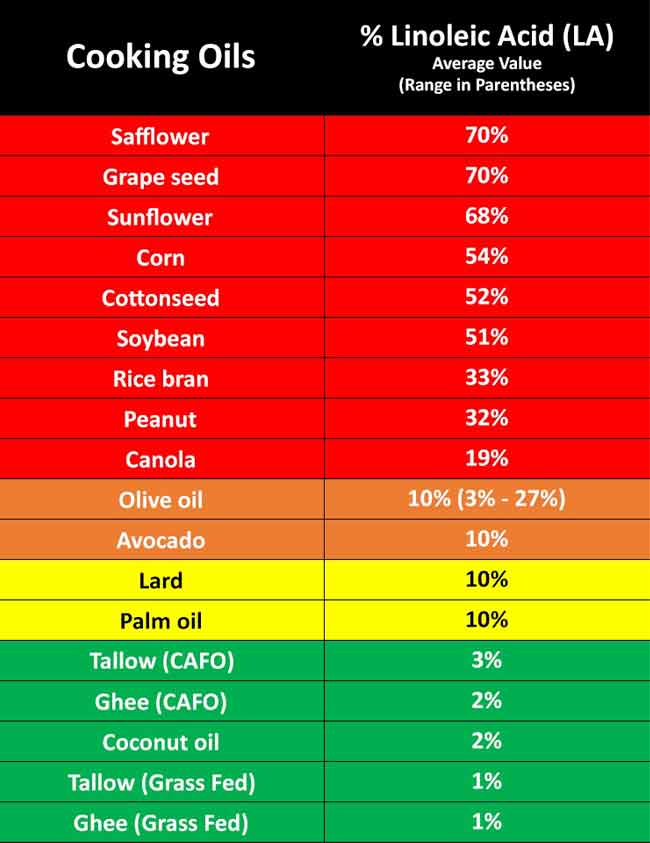
You can use the tables below to help you get a handle on the amount of LA in your diet. You can also use Cronometer.com to enter the foods you eat to identify just how much LA you are eating.
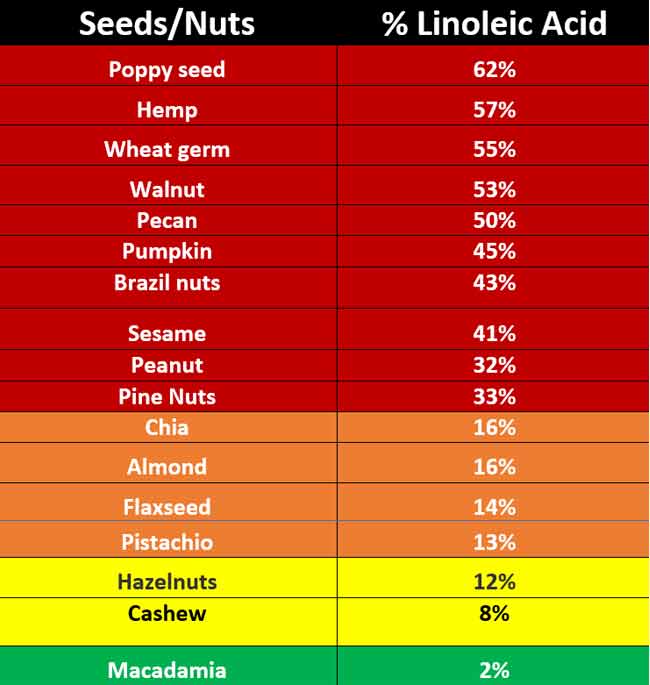
seed and nuts chart
cooking oils chart

Time Restricted Eating (TRE) and Circadian Rhythm Optimization

In July of 2022 we learned that fewer than 1 in 14 adults in the U.S. have optimal cardiometabolic health.9 This means they lack the ability to seamlessly shift between burning fat and carbs as their primary fuel source and as a result have impaired immune function.

It would seem profoundly obvious that having an immune system would not be good if you had an autoimmune disease. Fortunately, there is a simple inexpensive intervention that can help most everyone with this issue and it is called TRE.

Research by Satchidananda Panda, Ph.D., suggests 90% of people eat for more than 12 hours a day, and over time this habit will wreak havoc on your metabolism and limit your ability to metabolize fat as a primary fuel. When you eat throughout the day and never skip a meal your body adapts to burning sugar as your primary fuel, resulting in the downregulation of enzymes that utilize and burn stored fat.10,11

As a result, you become progressively more insulin resistant and start gaining weight. Efforts to lose weight also become ineffective for this very reason, since to lose body fat, your body must first be able to actually burn fat. Many biological repair and rejuvenation processes also take place while you're fasting, and this is another reason why all-day grazing triggers diseases while fasting prevents them.

Time-restricted eating is just what it sounds like. It's a form of intermittent fasting where you eat all of your meals for the day within a restricted window of time, ranging from six to eight hours. That means you're avoiding food (fasting) for 16 to 18 consecutive hours. Eating within a six to eight-hour window is likely close to metabolically ideal for most. Eighteen-hour TRE windows work better for overweight people and 16-hour TRE windows are used for normal weight individuals.

The key is to make sure you don't start your TRE window too late in the day. Ideally the last food you eat should be at least three to five hours before you go to sleep. The last thing you want to do is eat right before bed as that will impair your health.

Contrary to longer fasts and calorie restriction, TRE is a strategy that can work for just about anyone. Remember, you're not actually limiting or counting calories. Weakness and lethargy, which are signs of undernourishment, simply don't occur. It's a practice that should make you feel fantastic and actually reduce your hunger over time. Wouldn't it be great to not be controlled by hunger and sweets anymore?

Circadian Optimization

Satchin Panda is one of the leading researches in circadian rhythm and I interviewed him about his book, "Circadian Code: Lose Weight, Supercharge Your Energy, and Transform Your Health From Morning to Midnight." He has many great tips in his book on how to optimize your circadian cycle. This is important as it supports a healthy immune system.

If you think about the times you got sick in the past my guess is that many of those times were related to altered or impaired sleeping schedules. This is a classic illustration of how important this strategy is. Here are some tips to optimize your circadian rhythm:

•Be sure your sleep timing is close to the natural day and night cycles. The closer you are to the equator or vernal or autumnal equinox the easier that is, as the day and night time is evenly divided between them at 12 hours each. The further you move away the worse the change is all the way to the polar extremes of 24 hours of night in the winter to 24 hours of light in the summer.

•Ideally you should not have any blue light after sundown. Unfortunately, the invention of the electric light bulbs has trashed our circadian cycles. The ideal light would be a candle as it has the right wavelengths and intensity.

Alternatively, a 3-watt non-flicker red LED light12 is acceptable and will not likely impair your circadian cycle. You should also make certain that there is no light in your bedroom while you are sleeping; use a sleep mask, if necessary, to get into complete darkness.

•EMF exposure, especially in the night, can disrupt your cycle and your health. It is ideal if you turn off both your Wi-Fi and phone at night, or at least keep it in airplane mode. The last thing you need at night is exposure to these fields, as it will impair your health.

Low-Dose Naltrexone (LDN)

One new addition to the protocol is low-dose naltrexone (LDN), which I would encourage anyone with RA to try. It is inexpensive and nontoxic and I have a number of physician reports documenting incredible efficacy in getting people off of all their dangerous arthritis meds. Although this is a drug, and strictly speaking not a natural therapy, it has provided important relief and is FAR safer than the toxic drugs that are typically used by nearly all rheumatologists.

Naltrexone is similar to Naloxone (Narcan), which is a narcotic antagonist to save people's lives in opioid overdoses. In low or even microdoses it is one of the few pharmaceutical drugs I wholeheartedly endorse and it is remarkably safe.

Naltrexone blocks the opioid receptor only briefly, and by a different mechanism. When used in low dosages as LDN, the chief benefit is actually in the rebound effect, after the opioid receptor has been briefly blocked. Naltrexone is one of the few interventions that actually enables your own body and immune system to be able to function better and restore function.

Naltrexone is a drug and requires a prescription from a doctor willing to work with you. Dosing guidelines can be found at ldnresearchtrust.org/2022_LDN_Guides. I also did an interview with Linda Elsegood, a Briton who founded the LDN Research Trust in 2004, and Dr. Sarah Zielsdorf, who has a medical practice in the Chicago about the book they wrote.13

Carnivore Diet

I would strongly recommend implementing every one of the above strategies. If you are still not getting the improvement you need and deserve, then it may be time to consider removing all vegetables from your diet.

In the video above, Mikhaila Peterson, the daughter of best-selling author Jordan Peterson, discusses how she resolved her juvenile rheumatoid arthritis (JRA), which is relatively uncommon, but notoriously challenging to improve. Her results are nothing less than spectacular and certainly provide enough anecdotal confirmation to give this unconventional but safe approach a try.

For the scientific justification and help in implementing a carnivore diet, one of the best resources out there is Paul Saladino, who wrote the book, "The Carnivore Code: Unlocking the Secrets to Optimal Health by Returning to Our Ancestral Diet," and also has a podcast on YouTube called "CarnivoreMD."

The reason why avoiding plants might provide relief with autoimmune diseases is that they are loaded with self-defense chemicals and antinutrients such as the following:

Nightshades — The solanaceae family of flowering plants includes a number of species that are outright poisonous. But the nightshade family also includes tomatoes, potatoes, peppers, eggplant and goji berries, which are well-known to promote inflammation and joint pain in some people.

Phytic acid — A natural substance found in plant seeds (including grains and legumes), this compound is known as an "antinutrient" for its ability to bind to minerals. Phytic acid impairs the absorption of iron, zinc, calcium and other minerals and can promote mineral deficiencies.

Oxalates — Compounds found in dark leafy greens, such as spinach, kale and other "superfoods." Most people can break down oxalates in the gut. For others, however, these compounds turn into sharp crystals and can lead to chronic pain, inflammation, oxidative stress, kidney stones and autoimmune disease.

Lectins — These plant compounds can promote leaky gut, alter the microbiome, stimulate the immune system and trigger inflammation. The highest levels are found in whole grains, legumes and dairy.

Salicylates — These are naturally-occurring pesticides that plants use to protect against insects, fungus and bacterial infection. In humans, they can cause a wide range of symptoms from tinnitus to ulcers. High concentrations are found in avocados, berries, grapes, almonds, honey, dried fruits and many spices.

FODMAPs — Though not technically a defense mechanism of plants, these compounds are a collection of short-chain carbohydrates that are not properly absorbed in the gut. FODMAPs can cause severe digestive distress for some people. High-FODMAP foods include a wide range of fruits, vegetables, cereal grains, condiments, drinks and dairy foods.

Saponins — Antifeedant compounds that protect many plants from predation by insects, microbes and fungi, saponins have soapy, foaming characteristics. They promote leaky gut and can cause bloating, gas, nausea and diarrhea. Legumes (soy, beans, peas and lentils) as well as quinoa are rich in saponins.

Goitrogens — These compounds can reduce iodine uptake in the thyroid gland and slow the production of thyroid hormones. The result can be an enlarged thyroid (goiter) and a host of metabolic disturbances. The most common plant goitrogens are compounds known as glucosinolates found in broccoli, cauliflower, Brussels sprouts, cabbage, kale, arugula, radishes, turnips, collard greens, bok choy and other similar vegetables.

Phytoestrogens — These naturally-occurring plant chemicals have a molecular structure quite similar to estrogen. Used as a natural defense against herbivores, they can disrupt animal fertility. In humans, phytoestrogens can cause hormonal dysfunction and may promote cancer. These compounds are most common in soybeans, flax and sesame seeds.

Prolamins and glutelins — Consisting of a wide range of proteins used by plants to store energy in seeds and found primarily in grains and rice, this group of compounds harbors the primary environmental factors in causing Celiac disease.

Early Emotional Traumas Are Pervasive in Autoimmune Diseases

With the vast majority of the patients I treated, some type of emotional trauma occurred early in their life, before the age that their conscious mind was formed, which is typically around the age 5 or 6. However, a trauma can occur at any age, and has a profoundly negative impact.

If that specific emotional insult is not addressed with an effective treatment modality, then the underlying emotional trigger will continue to fester, allowing the destructive process to proceed, which can predispose you to severe autoimmune diseases like RA later in life.

In some cases, RA appears to be caused by an infection, and it is my experience that this infection is usually acquired when you have a stressful event that causes a disruption in your bioelectrical circuits, which then impairs your immune system.

This early emotional trauma predisposes you to developing the initial infection, and also contributes to your relative inability to effectively defeat the infection. Therefore, it's very important to have an effective tool to address these underlying emotional traumas. In my practice, the most common form of treatment is called the Emotional Freedom Technique (EFT).

Although EFT is something that you can learn to do yourself in the comfort of your own home, it is important to consult a well-trained professional to obtain the skills necessary to promote proper healing using this amazing tool. There are, of course, many other strategies other than EFT that can address these; EFT is just the one that I have the most experience with.

Saturday, October 12, 2019

Triclosan and Anti-Bacterial Soaps

Reprinted from Smithsonian.com

https://www.smithsonianmag.com/science-nature/triclosan-a-chemical-used-in-antibacterial-soaps-is-found-to-impair-muscle-function-22127536/?fbclid=IwAR1YbQGqDOps5llljH1KOkBnsQ2hosbsy1ODf2NkbrSXGv55LbwtVKcg0wc

In a new study, the chemical inhibited muscle activity in individual human heart cells, mice and minnows

smithsonian.com

Read more: https://www.smithsonianmag.com/science-nature/triclosan-a-chemical-used-in-antibacterial-soaps-is-found-to-impair-muscle-function-22127536/#FH7cFvDKD6r4QDXL.99
Give the gift of Smithsonian magazine for only $12! http://bit.ly/1cGUiGv
Follow us: @SmithsonianMag on Twitter
Take a look at the bottle of antibacterial hand soap in your bathroom. Chances are good that a particular chemical is listed among its ingredients: triclosan.

The antibacterial substance, which was first developed in the 1960s to prevent bacterial infections in hospitals, has since been incorporated into everything from hand soaps to toothpastes to mouthwashes. Manufacturers see it as a marketing bonus, increasing consumer confidence that a particular product kills harmful bacteria. Even some household products—such as kitchen utensils, toys and bedding—include triclosan.

In recent years, though, research has shed light on a number of problems with employing triclosan so widely. Studies have shown that the chemical can disrupt the endocrine systems of several different animals, binding to receptor sites in the body, which prevents the thyroid hormone from functioning normally. Additionally, triclosan penetrates the skin and enters the bloodstream more easily than previously thought, and has turned up everywhere from aquatic environments to human breast milk in troubling quantities.

To this list of concerns, add one more: A new paper, published today in the Proceedings of the National Academy of Sciences, indicates that triclosan impairs muscle function in both animals and humans. The study, conducted by researchers from the University of California, Davis, found that the chemical hinders human muscle contractions at the cellular level and inhibits normal muscle functioning in both fish and mice.
“Triclosan is found in virtually everyone’s home and is pervasive in the environment,” said lead author Isaac Pessah. “These findings provide strong evidence that the chemical is of concern to both human and environmental health.”

In the first phase of the study, the researchers exposed individual human muscle cells, both from the heart and typical skeletal muscles, to concentrations of triclosan similar to what our bodies experience in everyday life. Then, they used electrical stimulation to cause the muscle cells to contract. Normally, electrical stimulations prompts an immediate muscle contraction—a mechanism that is responsible for the entirety of our muscle activity. In the isolated cells, though, exposure to triclosan disrupted communication between two proteins crucial for proper muscle functioning, causing failure in both the heart and skeletal muscle cells.
The research team also tested the effects of the chemical on two types of live animals—mice and fathead minnows. In the mice, heart muscle function was reduced by as much as 25 percent after exposure to a single dose of triclosan, and grip strength was reduced by as much as 18 percent.
The minnows were used in the experiment to mimic the effect of triclosan in marine environments. After being exposed to concentrations of triclosan equivalent to those found in the wild for 7 days, the minnows were significantly worse swimmers than minnows that hadn’t been exposed to triclosan, and were less effective in swimming tests that simulated the the act of evading a predator.
Using studies with animals to make assumptions about human health is always dicey, but the researchers say the fact that triclosan produced similar results in widely varying conditions with different animals—and the troubling effects of the chemical on human heart cells in test tubes—are causes for concern. ”The effects of triclosan on cardiac function were really dramatic,” said co-author Nipavan Chiamvimonvat. “Although triclosan is not regulated as a drug, this compound acts like a potent cardiac depressant in our models.” He speculates that in some cases, triclosan may be responsible for exacerbating heart problems in patients with an underlying condition.
Additionally, the FDA has declared that there is no evidence that using antibacterial soaps with triclosan confers any more health benefits than simply washing with conventional soap and water, and the agency is currently conducting a risk assessment for the chemical. ”Triclosan can be useful in some instances, however it has become a ubiquitous ‘value added’ marketing factor that actually could be more harmful than helpful,” said study co-author Bruce Hammock. “At the very least, our findings call for a dramatic reduction in its use.”

Wednesday, August 21, 2019

The Devil We Know: How Dupont Poisoned the World with Teflon

Reposted from Organic Consumers

https://www.organicconsumers.org/blog/devil-we-know-how-dupont-poisoned-world-teflon?fbclid=IwAR2quuivsJ_m3LIgJH0t3r0YxFcRG8hwcWJS10vPyIZs9emACWqFAieUQMk

A new Netflix documentary titled, “The Devil We Know,” tells the story of DuPont’s decades-long cover-up of the harm caused by chemicals used to make its popular non-stick Teflon™ products. The film shows how the chemicals used to make Teflon poisoned people and the environment—not just in Parkersburg, West Virginia, where DuPont had a Teflon plant, but all over the world.

It all began in 1945, when DuPont, renamed DowDuPont following its 2017 merger with Dow Chemical, began manufacturing Teflon, a product best known for its use in non-stick cookware, but also widely used in a variety of other consumer products, including waterproof clothing and furniture, food packaging, self-cleaning ovens, airplanes and cars.

One of the key ingredients in DuPont’s Teflon was C8, a toxic, man-made chemical created by Minnesota Mining and Manufacturing Company, better known as 3M, to make Scotchgard. The chemical, also known as PFOS or PFOA, is what gave Teflon its non-stick properties.

Both 3M and DuPont were well aware of the health hazards associated with C8. But that didn’t stop DuPont from dumping the toxic chemical into local waterways, where it made its way into public drinking water and subsequently sickened thousands of people, and ultimately killing many of them.

3M and DuPont covered up the health risks of C8

The film features stories from a number of people who were affected by DuPont’s Teflon, including DuPont employees, children and adults in the surrounding community, as well as pets, livestock and wildlife.
One of those stories is that of Sue Bailey, a former DuPont employee who gave birth to a son with severe deformities. Her son, William Bailey, aka Bucky, was born with half of a nose, one nostril, a serrated eyelid and a keyhole pupil where his iris and retina were detached.

Sue’s work for DuPont required her to come in direct contact with C8. Her job involved working in a large room with huge cylinders filled with C8. The cylinders would bubble over like an out-of-control bubble bath, according to the film. The Teflon production process left behind a discharge of water. It was Sue’s job to pump it out back, where it would flow directly into the river. 

DuPont tried to blame Sue for her son’s birth defects. But she wasn’t buying it. On her first day back to work, she heard her co-workers talking about another DuPont employee who had given birth to a baby with deformities very similar to Bucky’s.

DuPont knew exposure to C8 could harm human health and cause birth defects. Both DuPont and 3M had been studying the chemical since the 1960s. One study on the chemical led by 3M, determined that the chemical could potentially cause birth defects in the eyes of rat fetuses.

Studies link Teflon chemical to six human diseases

The film also features Ken Wamsley, a former DuPont employee who worked for the company for 40 years. He said the first time he heard C8 was dangerous was from a supervisor who said it might hurt pregnant women. DuPont sent all the women home, but insisted the men were not at risk.
That turned out to be a bold-faced lie.

Today, we know that exposure to C8 in drinking water is linked to six different diseases: kidney cancer, testicular cancer, ulcerative colitis, thyroid disease, preeclampsia and high cholesterol, according to the film.
Evidence shows that DuPont knew for decades that exposure to C8 could cause long-term health effects in humans. DuPont started conducting cancer studies in 1988. The company’s own studies showed that exposure to C8 killed rats, dogs and monkeys, by causing testicular cancer, liver disease and pancreatic disease.

Teflon chemical is in the blood of 99 percent of Americans

Not only did DuPont continue to manufacture Teflon, but it also continued to dump the chemical into waterways.

In 2001, a class-action lawsuit was brought against DuPont by residents of the Ohio River Valley who had been exposed to C8 in their drinking water. DuPont agreed to settle the suit, offering the plaintiffs $343 million.

But in a groundbreaking decision, the plaintiffs refused to take individual payments. Instead, they decided to establish a C8 Science Panel dedicated to studying the link between C8 in drinking water and human disease.

C8 contamination is so widespread that, according to this article in the Intercept, 99 percent of Americans have the chemical in their blood. It’s also been found in the blood of people from all parts of the world. The main sources of exposure are still somewhat of a mystery. The likely culprits, though, are industrial waste and the consumer products that shed C8 over time.

Under terms of the $343-million settlement, six water districts could test people’s blood and sue DuPont if the Science Panel could prove exposure to C8 caused any harm.

DuPont said it was confident the test results would prove C8 was safe.

In order to overcome the challenge of recruiting enough volunteers to submit their blood for analysis, the panel used some of the funds from the settlement to offer each volunteer $400.

Through the payout and a massive media effort, the panel got more than 70,000 people to participate. The process took more than seven years. In 2012, the results were in: Exposure to C8 in drinking water caused six different human diseases.

DuPont is still manufacturing Teflon

More than 3,500 cases were filed against DuPont. Soon, the victories started pouring in.
The first case involved a woman who said exposure to C8 caused her kidney cancer. The jury found DuPont guilty and awarded the plaintiff $1.6 million.

In 2017, DuPont and Chemours, a company created by DuPont, agreed to pay $671 million to settle thousands of lawsuits.

Many lawsuits are still pending to this day.

DuPont agreed to casually phase out C8 by 2015. But it still makes Teflon. DuPont replaced C8 with a new chemical called Gen-X, which is already turning up in waterways.

Animal studies conducted by DuPont found tumors in rats exposed to Gen-X, according to the film. The tumors are similar to those seen in rats exposed to C8.

Whether Gen-X is just as bad—or even worse—than C8 remains to be seen.
Want to learn more? Click here to find places where you can watch the film.
Julie Wilson is communications associate for the Organic Consumers Association (OCA). To keep up with OCA news and alerts, sign up for our newsletter.

Saturday, August 17, 2019

Cancer & Cruciferous Vegetables

Reposted from Life Extension

https://www.lifeextension.com/magazine/2019/9/new-strategy-to-reduce-cancer-risk/page-01

By Edward Sanford
As the “war on cancer” drags on, the National Cancer Institute estimates that 1.7 million Americans were diagnosed with cancer last year.1
Doesn’t sound like much progress has been made since the “war” was declared by the U.S. government in 1971.
But there is hope that lies in prevention. Scientists agree that preventing cancer is the best strategy.
As many as 90% of all cancers are caused by environmental factors and lifestyle behaviors.2,3
Ongoing research points to anti-cancer effects of compounds found in broccoli and other cruciferous vegetables.
Studies show that higher intake of cruciferous vegetables is associated with a reduced risk for different types of cancers.4,5
But to maximize the effects of these cancer-fighting compounds, you’d have to consume an enormous quantity of raw vegetables.
Scientists have discovered a way to remedy this problem. They have developed a delivery system to maximize the amounts of cancer-fighting compounds in cruciferous vegetables that enter the bloodstream.

Chemistry of Cruciferous Vegetables 

Cruciferous vegetables are a group of edible plants that include broccoli, kale, green and red cabbage, cauliflower, and Brussels sprouts.
These vegetables are loaded with nutrients shown to help prevent a wide variety of common disorders.
In particular, cruciferous vegetables have a profound ability to shield cells from several processes that can transform healthy cells into malignant tumors.4,5
Two cruciferous nutrients are especially well validated: sulforaphane and 3,3’-diindolylmethane (DIM). The benefits of both are supported by ample medical literature.6-8
DIM is a stable compound that is readily absorbed from the digestive system.
Sulforaphane, however, is very unstable, which means it rapidly degrades into non-active substances if it isn’t quickly absorbed, or if the vegetable is heavily cooked.
Nature has found a way around this problem.

How Plants Make Sulforaphane

plants growing in a beaker
Sulforaphane itself isn’t contained in broccoli and cabbage.
Instead, a precursor called glucoraphanin is stored in these plant cells, along with an enzyme, myrosinase, that converts the glucoraphanin into sulforaphane.
In raw vegetables, glucoraphanin and myrosinase are stored in separate compartments.
Only when the vegetables have been eaten and partially digested do they mix in the body and form sulforaphane, the beneficial compound.
Once formed, sulforaphane must be absorbed rapidly in the small intestine or it will be lost.

A Solution Inspired by Nature

Scientists have found a way to deliver both glucoraphanin and myrosinase, isolated from broccoli, separately to the small intestine.
In the small intestine, these two components mix and form sulforaphane, which can be immediately absorbed into the body, achieving higher blood levels of this anti-cancer compound.
In a study done by scientists at Johns Hopkins, healthy individuals were given either glucoraphanin alone or in combination with the enzyme myrosinase. Urinary metabolites of sulforaphane were used to assess bioavailability.
The bioavailability of the combination of glucoraphanin and myrosinase was 35% compared to 10% in the group given only glucoraphanin.9


Sulforaphane and DIM Research 

For decades, studies have shown that large dietary intakes of cruciferous vegetables reduce the risk of developing different forms of cancer, including many of the most common types, such as lung and colorectal cancer.5,10,11
Researchers have also evaluated the individual compounds derived from these vegetables, most importantly sulforaphane and DIM.
Scientists at the Johns Hopkins University School of Medicine compared two different groups of rats; one was given sulforaphane and one was not.12 Both groups were then given a potent carcinogen, a chemical that produces cancerous tumors at a high rate. They found that the animals given sulforaphane developed 39% fewer tumors. In addition, the tumors that did develop were smaller and grew more slowly.
In human cancer cell lines, including breast cancer and leukemia, sulforaphane was shown to halt the growth of the tumors and to kill tumor cells.8
The benefit of DIM supplementation has been evaluated in two studies of women with a history of breast cancer.13,14 In both studies, women were randomized to receive DIM supplementation (108 mg per day in one, 300 mg per day in the other) or a placebo. DIM was found to significantly alter the mix of estrogen types, supporting an increase in “good” estrogen and reducing “bad” estrogen, which is linked to cancer progression.
DIM has also been evaluated in women for prevention of cervical cancer.6,10 Cervical intraepithelial neoplasia is a cervical cancer precursor.
In one study, women with cervical intraepithelial neoplasia were randomized to receive either 100 mg of DIM, 200 mg of DIM, or a placebo. After 90 to 180 days of supplementation researchers found that all patients’ cervical intraepithelial neoplasia resolved completely with the 200 mg dose of DIM. With the lower 100 mg dose of DIM, 90.5% regressed.6
What this shows is that these compounds, derived from cruciferous vegetables, can both prevent cancer and reverse the progression of cells that are already abnormal.

What you need to know

Cruciferous Vegetables and Cancer
  • Cruciferous vegetables, including broccoli, cabbage, cauliflower, Brussels sprouts, and kale, are associated with reduced risk of cancer and other age-related diseases.
  • Two compounds derived from these vegetables, sulforaphane and DIM, are responsible for most of this anti-cancer activity.
  • Large amounts of raw vegetables would need to be consumed to maximize these effects.
  • Unlike DIM, sulforaphane is unstable and rapidly degrades if not absorbed quickly.
  • Scientists have found a way to deliver glucoraphanin and myrosinase to the intestine to achieve higher levels of the anti-cancer compound sulforaphane.

Four Ways Cruciferous Vegetables Protect Against Cancer 

Cancer results from damage to genes that causes cells to multiply out of control.
Toxins and pollutants in the air we breathe, the water we drink, and the food we eat can all cause this damage. Even our own metabolism produces oxidative stress and potential toxins.
Behavior such as smoking greatly increases the amount of damage that is occurring.
Methods to decrease cancer risk include:
  • Protecting DNA genes from mutations (damage)
  • Reducing inflammation
  • Impairing ability of abnormal cells to propagate
Compounds found in cruciferous vegetables act in four major ways to prevent cancer.
1. Protecting against Epigenetic Changes
Cancer can be caused by epigenetic changes, the ability to “turn genes on and off.” These changes don’t alter the DNA, but they change expression patterns of genes.
Studies have shown that sulforaphane and DIM can reverse some of these cancer-associated alterations.15
Sulforaphane also reverses alterations of histone proteins involved in the regulation of genes, another epigenetic change that can contribute to cancer.16,17
2. Attacking Cancer Cells
Even after a cell starts down the path to cancer, the progression can be halted or reversed.
DIM and sulforaphane have been shown to suppress the growth of tumors by interfering with abnormal signaling factors that drive cancer cells to proliferate more rapidly.12
DIM also slows the propagation of tumor cells by blocking abnormal angiogenesis, the growth of new blood vessels.18
Cancers need ample blood flow to supply oxygen and nutrients so that they can grow aggressively. By impeding this new blood vessel growth, cruciferous vegetables can help starve tumor cells.
DIM and sulforaphane also directly kill cancer cells through the process of apoptosis, programmed cell death.19,20
By turning on the genes associated with apoptosis, cruciferous vegetables initiate “suicide” of the abnormal cells, while protecting healthy, normal cells.
3. Modulating Sex Hormones
Some forms of the hormone estrogen can stimulate breast cancer growth in women. By modulating estrogen metabolism, DIM shifts estrogen balance to favor the healthier forms of these hormones.21
In aging men, estrogen balance is also critical. Our early observations revealed that men presenting with benign prostate enlargement or prostate cancer had higher blood estrogen levels.22,23 Subsequent clinical and laboratory studies helped confirm our early observations.24-28 DIM can prevent stimulation of prostate cancer cells by estrogen.29,30
4. Inhibiting NF-kB
NF-kB (nuclear factor-kappa B) is a regulator in cells that activates inflammation, including the low-grade chronic inflammation that is a major contributor to most age-related diseases, including cancer.
Sulforaphane blocks NF-kB, thereby reducing inflammation that contributes to cancer growth.31
By reducing NF-kB activity, sulforaphane also has a powerful impact on other chronic diseases, and aging in general. For example, in animal models it can reduce inflammation in the brain that contributes to Alzheimer’s and Parkinson’s diseases.32,33

Summary

High dietary intake of raw cruciferous vegetables such as broccoli, cabbage, and cauliflower, is associated with a reduced risk for many types of cancer and other disorders.
Studies have demonstrated that many of the anti-cancer effects are due to two compounds derived from these vegetables: sulforaphane and DIM.
These cruciferous compounds target cancer at different points in its development and progression, reducing the risk of cancer formation in the first place, and halting the progression of some tumor cells.
While DIM is stable and easily absorbed when taken orally, sulforaphane is rapidly converted to inactive compounds.
To solve this problem, scientists have developed a delivery system (glucoraphanin plus myrosinase) that maximizes the amount of sulforaphane available for absorption into the bloodstream.
By separating these precursor plant compounds, much more sulforaphane becomes bioavailable in the small intestine. There, it can be rapidly absorbed, delivering higher blood levels of this anti-cancer (sulforaphane) compound.
If you have any questions on the scientific content of this article, please call a Life Extension® Wellness Specialist at 1-866-864-3027.

References

  1. Available at: https://www.cancer.gov/about-cancer/understanding/statistics. Accessed June 7, 2019.
  2. Anand P, Kunnumakkara AB, Sundaram C, et al. Cancer is a preventable disease that requires major lifestyle changes. Pharm Res. 2008 Sep;25(9):2097-116.
  3. Wu S, Powers S, Zhu W, et al. Substantial contribution of extrinsic risk factors to cancer development. Nature. 2016 Jan 7;529(7584):43-7.
  4. Dinkova-Kostova AT, Fahey JW, Kostov RV, et al. KEAP1 and Done? Targeting the NRF2 Pathway with Sulforaphane. Trends Food Sci Technol. 2017 Nov;69(Pt B):257-69.
  5. Verhoeven DT, Goldbohm RA, van Poppel G, et al. Epidemiological studies on brassica vegetables and cancer risk. Cancer Epidemiol Biomarkers Prev. 1996 Sep;5(9):733-48.
  6. Ashrafian L, Sukhikh G, Kiselev V, et al. Double-blind randomized placebo-controlled multicenter clinical trial (phase IIa) on diindolylmethane’s efficacy and safety in the treatment of CIN: implications for cervical cancer prevention. EPMA J. 2015;6:25.
  7. Kyung SY, Kim DY, Yoon JY, et al. Sulforaphane attenuates pulmonary fibrosis by inhibiting the epithelial-mesenchymal transition. BMC Pharmacol Toxicol. 2018 Apr 2;19(1):13.
  8. Su X, Jiang X, Meng L, et al. Anticancer Activity of Sulforaphane: The Epigenetic Mechanisms and the Nrf2 Signaling Pathway. Oxid Med Cell Longev. 2018;2018:5438179.
  9. Fahey JW, Holtzclaw WD, Wehage SL, et al. Sulforaphane Bioavailability from Glucoraphanin-Rich Broccoli: Control by Active Endogenous Myrosinase. PLoS One. 2015;10(11):e0140963.
  10. Higdon JV, Delage B, Williams DE, et al. Cruciferous vegetables and human cancer risk: epidemiologic evidence and mechanistic basis. Pharmacol Res. 2007 Mar;55(3):224-36.
  11. Tang L, Zirpoli GR, Jayaprakash V, et al. Cruciferous vegetable intake is inversely associated with lung cancer risk among smokers: a case-control study. BMC Cancer. 2010 Apr 27;10:162.
  12. Zhang Y, Kensler TW, Cho CG, et al. Anticarcinogenic activities of sulforaphane and structurally related synthetic norbornyl isothiocyanates. Proc Natl Acad Sci U S A. 1994 Apr 12;91(8):3147-50.
  13. Thomson CA, Chow HHS, Wertheim BC, et al. A randomized, placebo-controlled trial of diindolylmethane for breast cancer biomarker modulation in patients taking tamoxifen. Breast Cancer Res Treat. 2017 Aug;165(1):97-107.
  14. Dalessandri KM, Firestone GL, Fitch MD, et al. Pilot study: effect of 3,3’-diindolylmethane supplements on urinary hormone metabolites in postmenopausal women with a history of early-stage breast cancer. Nutr Cancer. 2004;50(2):161-7.
  15. Wong CP, Hsu A, Buchanan A, et al. Effects of sulforaphane and 3,3’-diindolylmethane on genome-wide promoter methylation in normal prostate epithelial cells and prostate cancer cells. PLoS One. 2014;9(1):e86787.
  16. Tortorella SM, Royce SG, Licciardi PV, et al. Dietary Sulforaphane in Cancer Chemoprevention: The Role of Epigenetic Regulation and HDAC Inhibition. Antioxid Redox Signal. 2015 Jun 1;22(16):1382-424.
  17. Bayat Mokhtari R, Baluch N, Homayouni TS, et al. The role of Sulforaphane in cancer chemoprevention and health benefits: a mini-review. J Cell Commun Signal. 2018 Mar;12(1):91-101.
  18. Chinnakannu K, Chen D, Li Y, et al. Cell cycle-dependent effects of 3,3’-diindolylmethane on proliferation and apoptosis of prostate cancer cells. J Cell Physiol. 2009 Apr;219(1):94-9.
  19. Pledgie-Tracy A, Sobolewski MD, Davidson NE. Sulforaphane induces cell type-specific apoptosis in human breast cancer cell lines. Mol Cancer Ther. 2007 Mar;6(3):1013-21.
  20. Kim SM. Cellular and Molecular Mechanisms of 3,3’-Diindolylmethane in Gastrointestinal Cancer. Int J Mol Sci. 2016 Jul 19;17(7).
  21. Thomson CA, Ho E, Strom MB. Chemopreventive properties of 3,3’-diindolylmethane in breast cancer: evidence from experimental and human studies. Nutr Rev. 2016 Jul;74(7):432-43.
  22. Gann PH, Hennekens CH, Stampfer MJ. A prospective evaluation of plasma prostate-specific antigen for detection of prostatic cancer. Jama. 1995 Jan 25;273(4):289-94.
  23. Krieg M, Nass R, Tunn S. Effect of aging on endogenous level of 5 alpha-dihydrotestosterone, testosterone, estradiol, and estrone in epithelium and stroma of normal and hyperplastic human prostate. J Clin Endocrinol Metab. 1993 Aug;77(2):375-81.
  24. Giton F, de la Taille A, Allory Y, et al. Estrone sulfate (E1S), a prognosis marker for tumor aggressiveness in prostate cancer (PCa). J Steroid Biochem Mol Biol. 2008 Mar;109(1-2):158-67.
  25. Prins GS, Korach KS. The role of estrogens and estrogen receptors in normal prostate growth and disease. Steroids. 2008 Mar;73(3):233-44.
  26. Singh PB, Matanhelia SS, Martin FL. A potential paradox in prostate adenocarcinoma progression: oestrogen as the initiating driver. Eur J Cancer. 2008 May;44(7):928-36.
  27. Ho CK, Nanda J, Chapman KE, et al. Oestrogen and benign prostatic hyperplasia: effects on stromal cell proliferation and local formation from androgen. J Endocrinol. 2008 Jun;197(3):483-91.
  28. Matsuda T, Abe H, Suda K. [Relation between benign prostatic hyperplasia and obesity and estrogen]. Rinsho Byori. 2004 Apr;52(4):291-4.
  29. Smith S, Sepkovic D, Bradlow HL, et al. 3,3’-Diindolylmethane and genistein decrease the adverse effects of estrogen in LNCaP and PC-3 prostate cancer cells. J Nutr. 2008 Dec;138(12):2379-85.
  30. Chen D, Banerjee S, Cui QC, et al. Activation of AMP-activated protein kinase by 3,3’-Diindolylmethane (DIM) is associated with human prostate cancer cell death in vitro and in vivo. PLoS One. 2012;7(10):e47186.
  31. Sturm C, Wagner AE. Brassica-Derived Plant Bioactives as Modulators of Chemopreventive and Inflammatory Signaling Pathways. Int J Mol Sci. 2017 Sep 1;18(9).
  32. Hernandez-Rabaza V, Cabrera-Pastor A, Taoro-Gonzalez L, et al. Neuroinflammation increases GABAergic tone and impairs cognitive and motor function in hyperammonemia by increasing GAT-3 membrane expression. Reversal by sulforaphane by promoting M2 polarization of microglia. J Neuroinflammation. 2016 Apr 18;13(1):83.
  33. Subedi L, Cho K, Park YU, et al. Sulforaphane-Enriched Broccoli Sprouts Pretreated by Pulsed Electric Fields Reduces Neuroinflammation and Ameliorates Scopolamine-Induced Amnesia in Mouse Brain through Its Antioxidant Ability via Nrf2-HO-1 Activation. Oxid Med Cell Longev. 2019;20
Life Extension does not provide medical advice, diagnosis or treatment.
See additional information.
All Contents Copyright ©2019 Life Extension® All rights reserved

†2019 Consumer Satisfaction, Rated #1 Catalog/Internet Supplement Brand.
Ratings based on results of the 2019 ConsumerLab.com Survey of Supplement Users.
More information at consumerlab.com/survey2019.
  • Life Extension
  • Life Extension
  • Life Extension
These statements have not been evaluated by the Food and Drug Administration.
These products are not intended to diagnose, treat, cure, or prevent any disease.
;


Wednesday, July 24, 2019

Autism and Aluminum

Reposted from Collective Evolution

https://www.collective-evolution.com/2018/10/15/brain-imaging-shows-autistic-brains-contain-high-amounts-of-aluminum/?fbclid=IwAR3Dblb12y0NWsWBWBV6CAIKacdkFbKeagQF2s7sKjfP4BHH0TMQOarTH7U

  • The Facts:A study published early in 2018 identified very high amounts of aluminum lodged in the brains of multiple people with autism.
  • Reflect On:We know little about where the heavy metals used as adjuvants in vaccines end up in the body. We now know that injected aluminum doesn't exit the body like aluminum intake from other sources. When injected, it ends up in the brain.


    In Brief

    • The Facts:A study published early in 2018 identified very high amounts of aluminum lodged in the brains of multiple people with autism.
    • Reflect On:We know little about where the heavy metals used as adjuvants in vaccines end up in the body. We now know that injected aluminum doesn't exit the body like aluminum intake from other sources. When injected, it ends up in the brain.

    Five people were used in the study, four males and one female, all between the ages of 14-50. Each of their brains contained unsafe and high amounts of aluminum compared to patients with other diseases where high brain aluminum content is common, like Alzheimer’s disease, for example.
    Of course, this caused people to downplay the study, citing a low sample group, but that’s not entirely a valid argument given the reason why this study was conducted. As cited in the study above, recent studies on animals, published within the past few years, have supported a strong connection between aluminum, and aluminum adjuvants used in human vaccinations, and Autism Spectrum Disorder (ASD.)

    Studies have also shown that injected aluminum does not exit the body, and can be detected inside the brain even a year after injection. That being said, when we take aluminum in from sources such as food, the body does a great job of getting it out, but there is a threshold. It’s important to acknowledge that the aluminum found in the brain, could be due to the presence of aluminum adjuvants in vaccines. This latest study also identified the location of aluminum in these tissues, and where they end up. This particular study was done on humans, which builds upon, and still supports, the findings of the animal studies.

    This is also important because the majority of studies that previously examined human exposure to aluminum have only used hair, blood and urine samples. The study also makes a clear statement regarding vaccines, stating that “Paediatric vaccines that include an aluminum adjuvant are an indirect measure of infant exposure to aluminum and their burgeoning use has been directly correlated with increasing prevalence of ASD.”

     Aluminum, in this case, was found in all four lobes of the brain.

    The aluminum content of brain tissues from donors with a diagnosis of ASD was extremely high (Table 1). While there was significant inter-tissue, inter-lobe and inter-subject variability the mean aluminium content for each lobe across all 5 individuals was towards the higher end of all previous (historical) measurements of brain aluminium content, including iatrogenic disorders such as dialysisencephalopathy[13], [15], [16], [17], [18], [19]. All 4 male donors had significantly higher concentrations of brain aluminum than the single female donor. We recorded some of the highest values for brain aluminum content ever measured in healthy or diseased tissues in these male ASD donors

    We Know, And Have Known, Aluminum Is Not Safe, Yet We Ignore It

    When we talk about the ‘safe’ amount of aluminum here, there is no such thing. Aluminum is extremely toxic to any biological process, it’s not meant for us which is why it stayed deep within the Earth until we took it out. It has no place within us, and that’s simply due to the fact that it causes nothing but havoc. This makes it odd that we would put them in vaccinations despite the fact that for 100 years there has been no appropriate safety testing.
    Aluminum is an experimentally demonstrated neurotoxin and the most commonly used vaccine adjuvant. Despite almost 90 years of widespread use of aluminum adjuvants, medical science’s understanding about their mechanisms of action is still remarkably poor. There is also a concerning scarcity of data on toxicology and pharmacokinetics of these compounds. In spite of this, the notion that aluminum in vaccines is safe appears to be widely accepted. Experimental research, however, clearly shows that aluminum adjuvants have a potential to induce serious immunological disorders in humans.
    The quote above comes from a study published in 2011, it’s 2018 now and we’ve come along way in our understanding. We are starting to see even more research confirming the statement above.

    Almost every study you read regarding previous studies on aluminum adjuvants within vaccines emphasized how the nature of its bioaccumulation is unknown, and a serious matter. We now know that it goes throughout the body, into distant organs eventually ends up in the brain.

    Another fairly recent study from 2015 points out:
    Evidence that aluminum-coated particles phagocytozed in the injected muscle and its draining lymph notes can disseminate within phagocytes throughout the body and slowly accumulate in the brain further suggests that alum safety should be evaluated in the long term.(source)

    The more recent study discussed in this article is adding to that evidence. Below you can watch one of the most recent interviews with Dr. Eric Exley one of the world’s foremost leading authors on the subject, and one of the authors of this most recent study. He is a Biologist (University of Stirling) with a Ph.D. in the ecotoxicology of aluminum. You can read more about his background here.

    In Brief

    • The Facts:A study published early in 2018 identified very high amounts of aluminum lodged in the brains of multiple people with autism.
    • Reflect On:We know little about where the heavy metals used as adjuvants in vaccines end up in the body. We now know that injected aluminum doesn't exit the body like aluminum intake from other sources. When injected, it ends up in the brain.
    A study published earlier in 2018 should have made headlines everywhere, as it discovered historically high amounts of aluminum in autistic brains. The study was conducted by some of the worlds leading scientists in the field.

    Five people were used in the study, four males and one female, all between the ages of 14-50. Each of their brains contained unsafe and high amounts of aluminum compared to patients with other diseases where high brain aluminum content is common, like Alzheimer’s disease, for example.
    Of course, this caused people to downplay the study, citing a low sample group, but that’s not entirely a valid argument given the reason why this study was conducted. As cited in the study above, recent studies on animals, published within the past few years, have supported a strong connection between aluminum, and aluminum adjuvants used in human vaccinations, and Autism Spectrum Disorder (ASD.)

    Studies have also shown that injected aluminum does not exit the body, and can be detected inside the brain even a year after injection. That being said, when we take aluminum in from sources such as food, the body does a great job of getting it out, but there is a threshold. It’s important to acknowledge that the aluminum found in the brain, could be due to the presence of aluminum adjuvants in vaccines. This latest study also identified the location of aluminum in these tissues, and where they end up. This particular study was done on humans, which builds upon, and still supports, the findings of the animal studies.

    This is also important because the majority of studies that previously examined human exposure to aluminum have only used hair, blood and urine samples. The study also makes a clear statement regarding vaccines, stating that “Paediatric vaccines that include an aluminum adjuvant are an indirect measure of infant exposure to aluminum and their burgeoning use has been directly correlated with increasing prevalence of ASD.”

     Aluminum, in this case, was found in all four lobes of the brain.
    The aluminum content of brain tissues from donors with a diagnosis of ASD was extremely high (Table 1). While there was significant inter-tissue, inter-lobe and inter-subject variability the mean aluminium content for each lobe across all 5 individuals was towards the higher end of all previous (historical) measurements of brain aluminium content, including iatrogenic disorders such as dialysisencephalopathy[13], [15], [16], [17], [18], [19]. All 4 male donors had significantly higher concentrations of brain aluminum than the single female donor. We recorded some of the highest values for brain aluminum content ever measured in healthy or diseased tissues in these male ASD donors

    We Know, And Have Known, Aluminum Is Not Safe, Yet We Ignore It

    When we talk about the ‘safe’ amount of aluminum here, there is no such thing. Aluminum is extremely toxic to any biological process, it’s not meant for us which is why it stayed deep within the Earth until we took it out. It has no place within us, and that’s simply due to the fact that it causes nothing but havoc. This makes it odd that we would put them in vaccinations despite the fact that for 100 years there has been no appropriate safety testing.
    Aluminum is an experimentally demonstrated neurotoxin and the most commonly used vaccine adjuvant. Despite almost 90 years of widespread use of aluminum adjuvants, medical science’s understanding about their mechanisms of action is still remarkably poor. There is also a concerning scarcity of data on toxicology and pharmacokinetics of these compounds. In spite of this, the notion that aluminum in vaccines is safe appears to be widely accepted. Experimental research, however, clearly shows that aluminum adjuvants have a potential to induce serious immunological disorders in humans.
    The quote above comes from a study published in 2011, it’s 2018 now and we’ve come along way in our understanding. We are starting to see even more research confirming the statement above.
    Almost every study you read regarding previous studies on aluminum adjuvants within vaccines emphasized how the nature of its bioaccumulation is unknown, and a serious matter. We now know that it goes throughout the body, into distant organs eventually ends up in the brain.
    Subscribe To Our Daily Email
    Start Your Day With The Latest News
    Another fairly recent study from 2015 points out:
    Evidence that aluminum-coated particles phagocytozed in the injected muscle and its draining lymph notes can disseminate within phagocytes throughout the body and slowly accumulate in the brain further suggests that alum safety should be evaluated in the long term.(source)
    The pictures below come from the recent 2018 study and show ‘bright spots’ that indicate heavy metals in the brain.


    The more recent study discussed in this article is adding to that evidence. Below you can watch one of the most recent interviews with Dr. Eric Exley one of the world’s foremost leading authors on the subject, and one of the authors of this most recent study. He is a Biologist (University of Stirling) with a Ph.D. in the ecotoxicology of aluminum. You can read more about his background here.

    Take Away

    People need to understand that despite media bullying, it’s ok to question vaccine safety, and there is plenty of reason to. There are many concerns, and heavy metals are one of them. In fact, the persistence and abundant presence of heavy metals in our environment, foods and medications is a concern, one that has been the clear cause for a variety of health ailments, yet it’s one that’s hardly addressed by the medical industry.

    You can detox from this with items such as Spirulina, and waters that contain a high Silica content. There are studies that show various methods of detoxing can be used to get this lodged aluminum, or some of it, out of your body, organs and brain. This is where educating yourself regarding the medicinal value of food and nutrition is a key Perhaps this can be a motivation to better your diet, especially if you have, are someone, or know someone with an ASD diagnosis.


Wednesday, June 5, 2019

JAMA Study: Flu Shots Are Killing the Elderly in Record Numbers

Reposted from News Punch

https://newspunch.com/jama-study-flu-shots-killing-elderly/?fbclid=IwAR3DFKPZP8oaVbM4K-dhL-pOm7VfI2gmk2S3s0Stdp8NUFcjjoJrXFndGhs

According to data collected by the study, 60 percent of people aged 65-years and over have a massively increased risk of death if they receive the flu shot.

  Sharyl Attkisson, former investigative journalist for CBS, says the study highlights how those vaccines may actually be killing lives rather than saving them. Inquisitr.com reports: In her blog, Attkisson cites a buried JAMA study from almost a decade ago which showed that there was no improvement in mortality rates among senior citizens with a flu vaccine, even after greatly increased vaccination rates. The study “got little attention,” she says, “because the science came down on the wrong side.” Whereas the researchers had set out to prove that the push for massive flu vaccination would save the world, the researchers were “astonished” to find that the data did not support their presupposition at all. The data actually shows that deaths increased, not decreased, among seniors following vaccination.


Johns Hopkins scientist, Peter Doshi, Ph.D., issued a report in the prestigious British Medical Journal, according to NewsLI, asserting that the CDC policy of routinely recommending the flu vaccine is being based on “low quality studies that do not substantiate claims.”

He says there is no evidence that the vaccine reduces deaths among senior citizens. Interestingly, Doshi cites an Australian study which found significant risks for children as well, stating that “one in every 110 children under the age of five had convulsions following vaccinations in 2009 for H1N1 influenza.”

During the drug trials for the Fluzone flu vaccine, 23 seniors out of 3,833 died after receiving the shot, according to the drug’s package insert, reported by Health Impact News. Another 226 experienced “serious adverse effects.” The manufacturer denies any connection between the deaths and the flu vaccine.
There appears to be growing public skepticism that the flu vaccine is as beneficial as the experts say, according to an earlier Inquisitr report.

The level of doubt is strongly correlated to the incidence of accounts of research fraud in the vaccine industry, an industry which makes billions of dollars of profit every year.

Often when an article about the dangers of a vaccine comes out, there are people who write in to tell about a family member who was harmed by the vaccine, and the flu vaccine for senior citizens in no exception.
A number of people have written to report that their grandmother, or uncle, or brother died shortly after getting a flu shot, sometimes after receiving their first ever such shot.

Their stories are frequently minimized, yet the government pays out more compensation from the flu vaccine than any other vaccine.

Despite this, it is increasingly expected that every senior citizen line up for their annual flu shot.
A nursing home near Atlanta, Georgia, now reports a devastating outcome to such a policy, according to Health Impact News. All of the residents of the Hope Assisted Living & Memory Care were given a flu vaccine on Friday, November 7. Every one of the senior citizens developed an immediate fever. Within the week following, five of them died. The source reports that the facility’s typical pattern is one or two losses every six months, frequently due to Alzheimer’s.

Questions must be asked, then, such as: do the benefits of getting a flu vaccine outweigh the risks, especially among vulnerable senior citizens? Or would they be better off choosing to reject the shot? Who benefits if evidence showing the harm of the vaccine is buried?

And what would be the motive for fabricating evidence of harm if none exists? If the facts are as solid as some insist, then why do they seem to be threatened by the data being challenged? Shouldn’t truth be able to stand up under scrutiny?