Sunday, June 26, 2016

The Recipes That Pissed Off the Pharmaceutical Industry

Reposted from Health and Love Page

http://www.healthandlovepage.com/recipes-pissed-off-pharmaceutical-industry/?t=HLP

The combination of honey and cinnamon was proved to cure most illnesses. Most countries throughout the world produce honey, and scientists all around the globe note it to be extremely effective medicine for all sorts of diseases.
Another advantage of honey, is that we can use it without any side effects. Modern science claim that although honey is sweet, it won’t affect diabetics when taken in the right dosage. Western scientists have researched the following facts.

Honey and Cinnamon Facts!

Heart Disease: Replace the jam and jelly and prepare a whole new breakfast by making honey and cinnamon powder paste, and spread it on toast. This paste decreases the cholesterol levels and has a potential to prevent heart attack. According to studies, even if you have already experienced an attack, this paste can keep the next one miles away from you. Heart beat can be as well strengthen by regular consumption of this honey cinnamon combination.


Different nursing homes in Canada and America have successfully treated their patients, and have discovered that honey and cinnamon mix revitalize the veins and arteries as one ages, and has problems with their flexibility and blockage.

Arthritis: Adding 2 tablespoons of honey and 1 teaspoon of cinnamon powder in a cup of hot water is extremely beneficial for people suffering from arthritis. It can cure even chronic arthritis if taken on a daily basis. A research that was conducted recently at the Copenhagen University discovered that out of 200 patients treated with a mix of 1 tbsp. of honey and ½ teaspoon of cinnamon powder prior to breakfast, 73 of them have completely eliminated the pain in the period of one week, and within a month, most of those who weren’t able to walk or move around due to arthritis, were now starting to walk with no pain.

Bladder Infections: Add 1 teaspoon of honey and 2 tablespoons of cinnamon powder in a glass of lukewarm water. Consuming this mixture will kill the germs in the bladder.

Cholesterol: When a patient with cholesterol was given a mixture of 3 teaspoons of cinnamon powder and 2 tablespoons of honey added in 16oz of tea water, it decreased his/her cholesterol level by 10 % in a period of just 2 hours. Similar to patients with arthritis, regular consumption of this mixture (3 times a day) can cure any patient with chronic cholesterol. One journal says that if people take pure honey with food on a daily basis it will relieve cholesterol complaints.

Colds: Daily consumption of 1 tbsp. of lukewarm honey combined with ¼ spoon of cinnamon powder in the period of 3 days, will cure most colds, chronic coughs, and clear the sinuses. Moreover, it has excellent taste.

Upset Stomach: Honey combined with cinnamon powder cures stomach pain, and it is considered to thoroughly clear stomach ulcers.

Gas: Japanese and Indian studies showed that ingestion of honey and cinnamon powder mix relieves the stomach from gasses.

Immune System: Consuming this powerful combination of honey and cinnamon powder, boosts the immunity and protects the organism from viral and bacterial attacks. Honey was found to contain iron and various vitamins in large amounts. Regular intake of honey strengthens the white blood cells, which contain our DNA, to fight viral and bacterial diseases.

Indigestion: If you sprinkle some cinnamon powder on 2 tbsp. of honey and consume it before eating your meal, it will digest the heaviest meals and relieve acidity.

Influenza: A Spanish scientist has proved that there’s a natural ingredient contained in honey which destroys the influenza germs and prevents flu.

Longevity: Regular consumption of tea prepared with cinnamon powder and honey arrests the old age. Prepare the tea by adding 4 teaspoons of honey and 1 teaspoon of cinnamon powder In 3 cups of boiling water. Consume ¼ cup of the tea, 3 to 4 times a day. It maintains your skin fresh and soft, and moreover it will increase your life span. It is said that even a 100 year old who consume the tea will begin doing the chores of a 20-year old.

Sore or Raspy Throat: Eat 1 tbsp. of honey and sip till it’s gone, whenever you feel your throat is becoming sore or raspy. Do this every 3 hours until you notice the symptoms are gone.

Pimples: A regular use of a paste prepared with 1 teaspoon of cinnamon powder and 3 tablespoons of honey can help you get rid of all pimples from the root within 2 weeks. Apply it on the pimples before you go to bed and rinse it with warm water the next morning.

Skin Infections: If you apply equal quantities of honey and cinnamon powder on the affected parts, it can cure ringworm, eczema, and other skin infections.

Weight Loss: Boil honey and cinnamon powder in a cup of water, and consume it twice a day, half an hour before breakfast on an empty stomach, and once again at night before going to bed. If you take it regularly, it can lower the weight even of obese people. Moreover, regular consumption of this drink, prevents accumulation of fat in the body, although the person might eat a high calorie foods.

Cancer: Regular consumption of 1 tablespoon of honey and 1 teaspoon of cinnamon powder can successfully cure advanced cancer of the bones and stomach, according to recent research in Australia and japan. Consume it 3 times a day, in the period of one month.

Fatigue: According to recent study, the sugar sustained in honey is more helpful than it’s harmful to the strength of our body. If senior citizens consume equal amounts of cinnamon powder and honey, they will be more flexible and alert. According to Dr. Milton’s research, daily consumption of a glass of water with ½ tablespoon of honey and a bit cinnamon powder, twice a day (in the morning and in the afternoon about 3 P.M), can increase the vitality within a week.

Bad Breath: Most people in South America use hot water with added 1 teaspoon of honey and cinnamon powder as a gargle, in order to keep their breath fresh during the day.

Hearing Loss: Equal amounts of honey and cinnamon powder regularly consumed in the morning and before bed, restore healing.

Toothache: Prepare a paste of 5 teaspoons of honey and 1 teaspoon of cinnamon powder and apply it on the aching tooth. You can apply the paste 3 times a day, until the toothache completely stops.

Thursday, June 2, 2016

Frankincense Oil: The 'King' of Oils

Reposted from Dr. Mercola

http://articles.mercola.com/herbal-oils/frankincense-oil.aspx?utm_source=facebook.com&utm_medium=referral&utm_content=facebookmercola_nonlead2&utm_campaign=20160602_frankincense-oil

Frankincense has a significant meaning in Christianity, and is believed to be one of the gifts offered by the three wise men to the newborn Jesus.

Today, this fragrant resin is transformed into an essential oil that's valued not only in religious practice, but also in aromatherapy and natural health. Read on to learn more about frankincense oil. 

What Is Frankincense Oil?

Frankincense, also known as olibanum,1 comes from the Boswellia genustrees, particularly Boswellia sacra and Boswellia carteri. The milky white sap is extracted from the tree bark, allowed to harden into a gum resin for several days, and then scraped off in tear-shaped droplets.2

Boswellia trees grow in African and Arabian regions, including Yemen, Oman, Somalia, and Ethiopia.3 Oman is the best known and most ancient source of frankincense, where it's been traded and shipped to other places like the Mediterranean, India, and China for thousands of years.4
The highest-quality frankincense is clear and silvery, but with a slight green tinge. Brown-yellow varieties are the cheapest and most readily available. In Oman, the best frankincense is usually reserved for the sultan and is rarely shipped out of the country.5

Frankincense is traditionally burned as incense, and was charred and ground into a powder to produce the heavy kohl eyeliner used by Egyptian women. Today, this resin is steam-distilled to produce an aromatic essential oil with many benefits.

Frankincense oil has a woody, earthy, spicy, and slightly fruity aroma, which is calming and relaxing. It's said to be sweeter, fresher, and cleaner than frankincense resin.6  

Uses of Frankincense Oil

Frankincense oil has long been revered in the Middle East, where it's been used in religious ceremonies as an anointing oil for thousands of years. It is also a popular ingredient in cosmetics, and has even been found in the remains of Anglo-Saxons and ancient Egyptians.7

I believe that frankincense oil is one of the top essential oils you can use for your health. It's known for its comforting properties, and is useful for visualizing, improving one's spiritual connection, and helping overcome stress and despair.8

 In aromatherapy, frankincense oil is either inhaled or diffused via a vaporizer – a very effective sedative that induces a feeling of mental peace, relaxation, and satisfaction, and helps relieve anxiety, anger, and stress.9 

Frankincense oil promotes healthy cell regeneration and keeps existing cells and tissues healthy. It's useful for skin health, and can help treat dry skin, reverse signs of aging, and reduce the appearance of stretch marks and scars.10 Frankincense oil's astringent properties help:11
  • Strengthen gums and hair roots
  • Stop wounds from bleeding
  • Speed up the healing of cuts, acne, insect bites, and boils

Composition of Frankincense Oil

The main components of frankincense oil are ketonic alcohol (olibanol), resinous matters (30 to 60 percent) and terpenes such as a-and p-pinene, camphene, dipentene, and phellandrene.12 It also contains alpha pinene, actanol, bornyl acetate, linalool, octyl acetate, incensole, and incensyl acetate.13

The monoterpenes and sesquiterpenes are the most valuable elements of frankincense oil.  According to the book, "Reference Guide for Essential Oils," by Connie and Alan Higley, monoterpenes help prevent and discharge toxins from your liver and kidneys, and have antiseptic, antibacterial, stimulating, analgesic (weak), and expectorant properties.14

Meanwhile, sesquiterpenes can go beyond the blood-brain barrier and simulate the limbic system of your brain, as well as your hypothalamus, and pineal and pituitary glands.15

Benefits of Frankincense Oil

The health benefits of frankincense oil are mostly attributed to its anti-inflammatory, astringent, antiseptic, disinfectant, digestive, diuretic, and expectorant properties. It also has cicatrisant, carminative, cytophylactic, emenagogue, uterine, and vulnerary effects.
Frankincense oil is considered a tonic, as it benefits all the systems operating in the body, including the digestive, respiratory, nervous, and excretory systems. It also aids the absorption of nutrients and strengthens your immune system.16 Frankincense oil has been found useful for certain health conditions, such as:
Arthritis and rheumatoid arthritis (RA) — Research by Cardiff University scientists found that frankincense can inhibit the production of key inflammatory molecules, helping prevent the breakdown of the cartilage tissue that causes these conditions.17
In addition, Indian frankincense or boswellin, also a member of the Boswellia genus, has been found to significantly reduce inflammation in animal studies. It is actually one of my personal favorites, as I have seen it work well as a natural painkiller for many of my former rheumatoid arthritis (RA) patients.
Colds and respiratory disorders — Frankincense oil can break up phlegm deposits in your respiratory tract and lungs, and can relieve bronchitis-related congestion.18
Oral health problems — The antiseptic qualities of this oil can help prevent bad breath, cavities, toothaches, mouth sores, and other infections.19
Digestive disorders — Frankincense oil speeds up the secretion of gastric juices, bile, and acids, and stimulates peristaltic motion to allow food to move properly through your intestines.20
Uterine health — Frankincense oil regulates estrogen production in women and reduces the risk of post-menopause tumor or cyst formation in the uterus (uterine cancer). It also regulates the menstrual cycle of premenopausal women.21

Frankincense is also being studied for its potential to treat cancer. Scientists have observed that there's an agent in this oil that may help stop cancer from spreading.22

How to Make Frankincense Oil

Frankincense oil is made by steam-distilling the raw resin. When buying frankincense oil, make sure that you only choose 100 percent pure essential oil of the highest quality.

Also, do not confuse frankincense essential oil with fragrance oil. Essential oils come from plants, while fragrance oils are usually artificially created and often contain synthetic chemicals. Although they smell good and are typically less expensive, fragrance oils do not give you the therapeutic benefits of organic essential oils.23

How Does Frankincense Oil Work?

The effects and benefits of frankincense oil can be acquired by applying it topically, inhaling it using a diffuser or vaporizer, or ingesting it in very small amounts.24 For pain relief, simply massage the oil onto the affected areas. Meanwhile, using a diffuser or inhaler works for treating colds and clearing up respiratory blockages. You can also sprinkle a few drops on a clean cloth and inhale the scent, or add it to your bathwater for a rejuvenating soak.25 

Frankincense oil can be directly applied to the skin or blended with other carrier oils such as jojoba, sweet almond, avocado, patchouli, rosemary, clary sage, citrus, and basil oils.

Is Frankincense Oil Safe?

Yes, frankincense is generally safe. However, I advise doing a spot test first, to check if you have any sensitivity to this oil. When taking frankincense oil internally, it's best to dilute a drop in an edible carrier oil (like coconut oil), a teaspoon of honey, or a glass of purified water or any non-acidic, non-dairy beverage.26 You can also put a drop or two under your tongue.27 However, ingesting this oil is not recommended for children ages 6 and below. Older children and teens may also require higher dilutions.

Side Effects of Frankincense Oil

There are no reported severe side effects of using this oil.28 However, in some rare cases, frankincense oil can cause skin rashes, gastrointestinal distress, such as nausea, stomach pain, and hyperacidity. It also has blood thinning effects, and may increase the risk of abnormal bleeding in people with a bleeding disorder or taking anticoagulant medications.29

Frankincense essential oil is also not recommended for pregnant women and nursing moms, as it acts as an emenagogue and may induce menstruation, which may be dangerous for an unborn fetus.30

Tuesday, May 24, 2016

Seven Proven Chlorella Benefits

Reposted from Dr. Axe

http://draxe.com/7-proven-chlorella-benefits-side-effects/

Are you looking for an all-natural supplement that boosts your energy, supports fat loss and helps detox heavy metals like lead and mercury from your body? If so, a freshwater algae called chlorella may be exactly what you need.

Native to Taiwan and Japan, this superfood is rich with phytonutrients, including amino acids, chlorophyll, beta-carotene, potassium, phosphorous, biotin, magnesium and the B-complex vitamins.
Chlorella is a blue-green algae like its cousin spirulina, and we will compare the nutrients of these superfoods later in the article.

Studies have shown that chlorella benefits the entire body by supporting healthy hormonal function, promoting cardiovascular health, helping to negate the effects of chemotherapy and radiation, lowering blood pressure and cholesterol, and aiding in the detoxification of our bodies.

Chlorella’s rich green color comes from a high concentration of chlorophyll. We are all told to eat more leafy green vegetables for good health, but sometimes it can be difficult to get the 5-7 servings of vegetables a day recommended by nutritionists and doctors of functional medicine.

While juicing is another option, it’s simply too time-consuming for most people. And frankly, most green leafy vegetables pale in comparison to the health benefits that chlorella can provide.
By consuming organic, low-temperature-extracted chlorella supplements, you can receive all of the chlorella benefits in a simple powder or tablet form.

Chlorella Nutrition Facts

As you’re about to see, chlorella is one of the most nutrient-dense superfoods in the world.
A 1-ounce (3 tbsp) serving of chlorella contains:
  • Protein—16g
  • Vitamin A—287% RDA
  • Vitamin B2—71% RDA
  • Vitamin B3—33% RDA
  • Iron—202% RDA
  • Magnesium—22% RDA
  • Zinc—133% RDA
In addition, chlorella contains a good amount of vitamin B1, vitamin B6 and phosphorus.

When you look at its nutrient density score, it’s easy to see why chlorella is ranked one of the top 10 health foods in the world. In fact, it is way more nutrient dense per gram than other greens, including kale, spinach and broccoli!

7 Researched Chlorella Benefits

Here are seven scientifically proven chlorella benefits you can expect to receive by incorporating this superfood into your daily diet.

1. Detoxifies Heavy Metals
If you have mercury fillings in your teeth, have been vaccinated, eat fish regularly, have been exposed to radiation or consume foods from China, you may have heavy metals lurking in your body. It is important for your overall health and wellness to be proactive in detoxing heavy metals and toxins.

One of chlorella’s most significant health benefits is that it wraps itself around even stubborn toxins residing in our bodies, such as lead, cadmium, mercury and uranium, and keeps them from being reabsorbed. Regular consumption of chlorella can even help keep heavy metals from accumulating in our bodies’ soft tissues and organs in the first place. (1, 2)

2. Detoxifies Radiation and Chemotherapy

Radiation therapy and chemotherapy are the most common forms of cancer treatment today. Anyone who has gone through either of these  treatments, or knows anyone who has, knows what a toll they take on the body. Chlorella’s high levels of chlorophyll have been shown to protect the body against ultraviolet radiation treatments while removing radioactive particles from the body.

According to researchers from Virginia Commonwealth University Medical College, “Cellular components and functions of the immune system remain at or near normal levels and are less adversely affected when patients are undergoing chemotherapy and/or taking immunosuppressive medications such as steroids.”
The university’s two-year study allowed researchers to observe that glioma-positive patients have fewer respiratory infections and flu-like illnesses when taking chlorella. (3)

3. Supports Your Immune System

Research published in 2012 in the Nutrition Journal found that after 8 weeks of chlorella intake, NK cell activity improved.

Researchers from the Yonsei University in Seoul Korea studied healthy individuals and their immune system’s response to chlorella supplements.

The results showed that chlorella supports a healthy immune system response and helps “natural killer” cell activity. (4)

4. Promotes Weight Loss

Losing weight is difficult, especially as we age. In a study published in the Journal of Medicinal Food, researchers state, “Chlorella intake resulted in noticeable reductions in body fat percentage, serum total cholesterol, and fasting blood glucose levels”. (5)

Chlorella benefits you by helping to regulate hormones, helping with metabolism, improving circulation, and promoting higher levels of energy. It also helps to reduce weight and body fat, and removes stored toxins.

As our bodies lose weight, toxins are released, and can be reabsorbed. It is important to flush these toxins out of our system as quickly as possible. Chlorella’s ability to surround the toxins and heavy metals resident in our bodies helps facilitate elimination and prevent reabsorption.

5. Makes You Look Younger 

Research continues to reveal that chlorella may also slow the aging process, making you look younger. A study published in the journal Clinical Laboratory revealed that chlorella greatly reduces oxidative stress, that can be caused from pollution, stress and a poor diet. (6)

The reason chlorella is so effective at giving you younger looking skin is because it naturally increases levels of vitamin A, vitamin C and glutathione in your body which eliminates free-radicals and protects your cells.

By just taking 1 teaspoon or a couple capsules daily of a chlorella supplement, you can see results in as little as 2 weeks.

6. Fights Cancer

It is believed that all human bodies at some time develop cancer cells. Properly functioning immune systems have the ability to attack and destroy these cells, before they have the chance to take hold and create cancer. A recent medical study found that chlorella helps fight cancer in several ways. (7)

First, when taken preemptively, it strengthens the immune system, so our bodies respond properly.
Second, because it removes heavy metals and toxins from our body, we are less likely to get environmentally based cancers.

Third, studies have shown that individuals once diagnosed with cancer, chlorella enhances the action of T cells helping to fight new abnormal cells.

And, as mentioned above, if cancer is diagnosed, and chemotherapy or radiation therapy is used, chlorella can help to fight the side effects and be used in addition to natural cancer treatments.

7. Lowers Your Blood Sugar and Cholesterol

Type 2 diabetes and high cholesterol are two of the serious chronic conditions facing many Americans today. Years of improper eating, stress and a lack of sleep have led many to one or both of these diagnoses.

In a study published the Journal of Medicinal Food, researchers found that doses of 8,000 mg of chlorella per day (divided into 2 doses), helps lower cholesterol and blood glucose levels.
Researchers observed first a decline in cholesterol levels, and then the improvement in blood glucose. They believe that chlorella activates a number of genes at the cellular level that improve insulin sensitivity, encouraging a healthy balance. (8, 9)


Sunday, May 22, 2016

The Science is Practically Screaming... Don't Make This Trendy Fat Mistake

Reposted from Dr. Mercola

http://articles.mercola.com/sites/articles/archive/2011/11/11/everything-you-need-to-know-about-fatty-acids.aspx

By Dr. Mercola
The science is loud and clear: the correct balance of fatty acids is essential if you want to be the healthiest you can be.
There are actually two problems related to how these fats are being consumed by most Westerners today:
  1. Most people are consuming far too many omega-6 fats compared to omega-3 fats.

    The ideal ratio of omega-3 to omega-6 fats is 1:1, but the typical Western diet is between 1:20 and 1:50.
  2. The typical Westerner is consuming far too many polyunsaturated fats (PUFAs) altogether, which is a problem in and of itself.
So, most consume the wrong amount—AND the wrong ratio of these highly benefical fats.
Both omega-3 and omega-6 fats are PUFAs and they're both essential to your health, but when omega-6 is consumed in excess, it become problematic.
As a group, when consumed in the wrong ratios, they tend to stimulate inflammatory processes in your body, rather than inhibit them.
You need some inflammation to protect yourself from infections and trauma, and PUFAs help you mount these defenses.
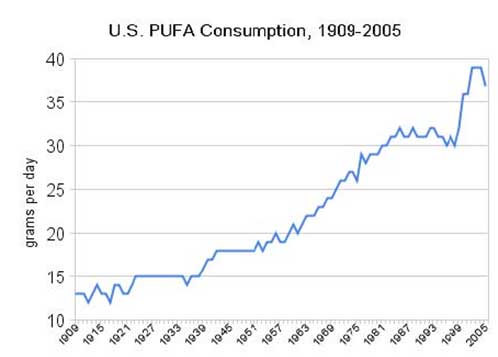
However, too many PUFAs contribute to chronic inflammation, which causes all sorts of problems over the long-term. Inflammation is at the source of just about every chronic disease we see today. Consumption of polyunsaturated fat in the U.S. has gone from about 13 grams per day to nearly 40 grams per day over the past century (see figure below).
U.S Pufa Consumption
Increase in American PUFA Consumption
From Stephan Guyenet's Whole Health Source Blog

By far, the type of omega fats that most Westerners get too much of is the omega-6 variety, due to its prevalence in processed foods—and this is what's driving up the line on the graph. It is easy to get confused when reading about the different types of fats—there are saturated fats and unsaturated fats, omega-3s and omega-6s, PUFAs, long-chain and short-chain fats, and the list goes on.
In order to help clear up the confusion, this article aims to provide you with a "primer" on fatty acids to increase your understanding of the fundamental differences between the types of fats and how your body uses them. So let's start by taking a look at the overall category called "fats"—what they're made of and what they do for you. And then we'll take a closer look at PUFAs and omega-3s.

Fats for Dummies

Fats are one member of a group of water-insoluble substances called "lipids." Lipids are important to you because they are the primary components of your cell membranes. Other members of the lipid group include sterols, phospholipids, triglycerides, and waxes.
Fats both in foods and in your body, are simply storage units composed of fatty acids. A fat is distinguished by the specific combination of fatty acids making it up. Fatty acids have three basic purposes in your body:
  1. Providing energy
  2. Providing the building blocks for cell membranes
  3. Acting as raw materials that can be converted to other substances that perform special duties in your body such as hormones.
Fatty Acid Saturation and Chain Length
The properties of fats and fatty acids depend on their degree of hydrogen saturation and the length of their molecules, or "chain length." Chemically, a fatty acid is a chain of carbon atoms with pairs of hydrogen atoms attached, with an "acid group" attached to one end of the molecule.
There are four types of fatty acids, based on how many of their carbon bondsare paired with hydrogen:
  1. Saturated Fats: Fully loaded with hydrogen atoms forming straight chains, and are typically solid at room temperature (for example, butter and coconut oil)
  2. Unsaturated Fats: These fats have lost at least one of their pairs of hydrogen atoms from their carbon chain, resulting in molecules that kink or bend at each double bond. The more hydrogen pairs that are missing, the more bent the molecules. The more bent the molecules, the more space they occupy, thereby making the fat a liquid at room temperature (oil). Unsaturated fats come in two varieties:

    1. Monounsaturated Fats: Missing one pair of hydrogens
    2. Polyunsaturated Fats (PUFAs): Missing more than one pair of hydrogens
Vegetable oils and animal fats are typically composed of a mixture of these different fatty acid types. For example, olive oil is mostly monounsaturated fat with a small amount of polyunsaturated fat. Lard is primarily equal parts saturated fat and monounsaturated fat, but contains some polyunsaturated fat as well. Most vegetable oils high in PUFA, whereas most animal fats are high in saturated and monounsaturated fats (except for palm, coconut, and olive oils). Saturated and monounsaturated fats are more easily used by your body than polyunsaturated fats.
Fats vary in the length of their carbon chains, leading to another classification scheme based on their number of carbon pairs:
  • Short-chain fatty acids (SCFAs): Less than eight carbons
  • Medium-chain fatty acids (MCFAs): Eight to 14 carbons
  • Long-chain fatty acids (LCFAs): 16 or more carbons
  • Very-long-chain fatty acids (VLCFAs): More than 22 carbons
A fatty acid's chain length and saturation control its melting point. As chain length increases, melting point increases. Likewise, fats that are solid at room temperature (butter, coconut oil) have longer chain lengths than fats that are liquid at room temperature (fish oil, olive oil). With chain lengths being equal, unsaturated fats have lower melting points than saturated fats.

The Chemical Instability of Polyunsaturated Fats (PUFAs)

Because your tissues are made up mostly of saturated and monounsaturated fats, your body requires more of them than polyunsaturated fats (which is true of all mammals). The main dietary PUFAs are omega-3 and omega-6 fats. Although your body does need these, it needs them in relatively small quantities.
One of the problems with PUFAs is that they are very chemically unstable, and highly susceptible  to being altered and denatured by what's around them. Think about what happens to the oils in your pantry—they are susceptible to going rancid as a result of oxidation. In your body, PUFAs undergo a similar process when exposed to the toxic byproducts of proteins and sugars—especially fructose.
This is why most fish oil supplements have such a short shelf life, and many are already oxidized before they hit the bottle. Consuming oxidized fats can do your body more harm than good.
When you eat too many PUFAs, they are increasingly incorporated into your cell membranes. Because these fats are unstable, your cells become fragile and prone to oxidation, which leads to all sorts of health problems, such as atherosclerosis. Now let's take a look at the most common PUFAs in your diet—the omega fats.

The Omega Fats

The end of the fatty acid chain, opposite the acid end, is the "omega end." The location of the first double bond from the omega end dictates whether a fatty acid is an omega-3, omega-6, omega-9 (oleic acid), or another member of the "omega family."  Both omega-3s and omega-6s come in both short-and long-chain varieties.
Omega-3 Fats
  • Plant Based: The shorter-chain form of omega-3 is alpha-linolenic acid (ALA), the only omega-3 found in plants (except for some algae). Foods rich in ALA include flaxseed oil (53 percent), canola oil (11 percent), English walnuts (9 percent), and soybean oil (7 percent). ALA is considered essential because your body can't make it, so you need it in your diet—or its long-chain derivatives.
  • Animal Based: The longer-chain forms of omega-3 are found mostly in animals and they are eicosapentaenoic and docosahexaenoic acids (EPA and DHA) and are highly unsaturated, mainly found in fish, shellfish and krill. DHA is the primary structural component of your brain and retina, and EPA is its precursor. Your body can make some EPA and DHA from short-chain ALA, but does so inefficiently. Recent studies suggest less than one percent of ALA is converted, if you are consuming the typical Western diet. DHA is found in cod liver oil, fatty fish, and in smaller concentrations in the organs and fats of land animals.
Omega-6 Fats
  • Shorter-chain: The shorter-chain form of omega-6 is linoleic acid (LA), which is the most prevalent PUFA in the Western diet, is abundant in corn oil, sunflower oil, soybean oil and canola oil.
  • Longer-chain: The longer-chain form of omega-6 is arachidonic acid (AA), which is an important constituent of cell membranes and a material your body uses to make substances that combat infection, regulate inflammation, promote blood clotting, and allow your cells to communicate. AA is found in liver, egg yolks, animal meats and seafood.

Fats: Understanding the Essentials

"Essential fatty acids" (EFAs) is a term referring to the PUFAs your body needs but cannot produce (or convert from other fats), so they must be obtained from your diet.
Traditionally, only two fats were considered "essential"—ALA (an omega-3 fat) and LA (an omega-6 fat). However, we now know it's the long-chain derivatives—arachidonic acid, DHA, and EPA—that your body needs the most. Although you have the enzymes to convert LA into these longer-chain fats (ALA, DHA and EPA), the conversion isn't efficient enough for optimal brain growth and development. This has led to a recent rethinking of what fats to consider "essential" and recommendations for adding more long-chain fats to your diet, to better meet these biological demands.

DHA and EPA: The "Anti-Inflammatory Fats"

Scientific studies have uncovered a number of important health benefits from omega-3 fats, and it's looking more like it's DHA and EPA that are responsible for those benefits, rather than ALA. Science suggests that omega-3s offer the following benefits to your health:
Healthier, stronger bonesProtecting your tissues and organs from inflammation
Improved mood regulationBrain and eye development in babies
Reduced risk of Parkinson's diseaseReduced risk of Alzheimer's disease
Reduced risk of death from ALL causesRelief from Dry Eye Syndrome
Prevention of vascular complications from type 2 diabetesPeripheral artery disease
GallstonesPreventing postpartum depression
Reducing symptoms of lupus erythematosus and other autoimmune diseasesPreventing premature birth
Multiple sclerosisCombating cancer

In fact, if you go to the omega-3 fat page on GreenMedInfo.com, you will see a list of scientific studies supporting the benefits of omega-3s for 254 different diseases, which is powerful proof of their broad-reaching scope. One reason omega-3s are so good for you is their anti-inflammatory properties, especially the omega-3s from animal sources. In the case of DHA, your tissues use this fatty acid it to synthesize compounds called "resolvins," which help to reduce inflammation.
According to the Weston A. Price Foundation:
"Sufficient DHA allows the immune system to mount a robust inflammatory response against invading pathogens or damaged tissues and to bring the response quickly to an end once the task has been accomplished.
Researchers are increasingly discovering that most degenerative diseases involve an element of chronic, low-level inflammation, and the inability to "turn off" important inflammatory processes once they are no longer needed could be part of the problem. DHA deficiency may therefore be at the root of widespread declines in cognitive function, increases in mental disorders and epidemic levels of degenerative disease."
A study in the journal Pediatrics even showed that supplementing a mother's DHA during pregnancy and lactation improves her child's IQ at four years of age. EPA, which accumulates in fish, is a precursor to DHA.
Just like DHA, EPA also helps to control inflammation, but this time by interfering with arachidonic acid metabolism. Arachidonic acid is the precursor to PGE2 (a prostaglandin), which is a major initiator of inflammation. You can see how DHA and EPA would work together to naturally reduce inflammation and improve inflammatory conditions like rheumatoid arthritis and asthma.
In rheumatoid arthritis, EPA/DHA supplementation has been shown to reduce joint stiffness and soreness and improve flexibility. And for asthma, a study involving fish oil supplementation for asthmatic children (along with improved diet) resulted in better airway function and reduced need for asthma medications, without side effects.  The most profound benefits of EPA may lie in its implications for people at high risk for coronary artery disease. But science has shown that EPA/DHA supplementation can benefit people with other conditions as well, such as:
  • EPA/DHA supplementation has helped people with ulcerative colitis.
  • Several studies have shown that people with schizophrenia often have low levels of the particular EFAs necessary for normal nerve cell membrane metabolism. Early results from a few trials suggest EPA can have a positive effect on the mental status of schizophrenics.
  • Epidemiological evidence suggests that populations consuming marine diets rich in EPA have a low incidence of cancer. Experimental studies, both in vitro and in vivo, further support EPA's anti-cancer activity.

EPA and Your Heart

Even though the medical establishment for decades has advised you to consume vegetable oils (omega-6 PUFAs) to prevent heart disease, human trials have conclusively demonstrated that vegetable oils DO NOT decrease atherosclerosis or decrease your risk of dying from cardiovascular disease. But the news gets even worse. Studies have revealed that vegetable oils actually increase your risk of cancer after a period of about five years, and may increase your risk of heart disease as well.
There is a widespread medical myth that atherosclerotic plaque is caused by too much LDL and cholesterol in your blood. Yet, this is not what the research shows! Instead, science tells us that the mechanism driving atherosclerosis is actually the oxidation of PUFAs in your LDL membrane. You may recall that excess PUFAs lead to fragile cell membranes that can easily be damaged by oxidation.
Furthermore, high LDL appears to be a sign of cholesterol sulfate deficiency—it's your body's way of trying to maintain the correct balance by taking damaged LDL and turning it into plaque, within which the blood platelets produce the cholesterol sulfate your heart and brain needs for optimal function. What this also means is that when you artificially lower your cholesterol with a statin drug, which effectively reduces that plaque but doesn't address the root problem, your body is not able to compensate any longer, and as a result of lack of cholesterol sulfate you may end up with heart failure. For more details on this, please review my interview with Dr. Stephanie Seneff.
So that I can be perfectly clear about this, I'll repeat it again:
Atherosclerosis is NOT caused by the amount of cholesterol carried by your LDL, but by oxidative damage to weak cell membranes, resulting from a diet too high in PUFAs and too low in saturated fats. It is no wonder, then, that trials attempting to prevent heart disease with diets rich in polyunsaturated vegetable oils have failed so miserably!  Even the US FDA, which denies most nutritional claims, acknowledges the following cardiovascular benefits of dietary animal-based omega-3 fats:
And the opposite can be said of diets rich in EPA, which have been scientifically shown to:
  • Lower lipid and triglyceride levels in your blood
  • Decrease blood viscosity
  • Reduce platelet aggregation, thereby reducing the likelihood of a clot
  • Reduce your changes of heart attack
Antiarrhythmic: counteracting or preventing cardiac arrhythmia Antithrombotic: tending to prevent thrombosis (a blood clot within a blood vessel)
Antiatherosclerotic: preventing fatty deposits and fibrosis of the inner layer of your arteries from formingAntiinflammatory: counteracting inflammation (heat, pain, swelling, etc.)
Improving endothelial function: a major factor in promoting the growth of new blood vesselsAntihypertensive: Lowering blood pressure
Lowering triglyceride concentrations 

Marine oils are an excellent source of EPA-and DHA-rich omega-3 fats. Many cultures around the world that subsist on traditional diets have very low to nonexistent cardiovascular disease. Many of these cultures have a high intake of marine oils (e.g., the Inuit)—but some do not. But, what ALL of these groups do have in common is the near absence of refined foods.
If you are eating standard American fare, simply taking an omega-3 supplement may not be enough because it needs to be implemented as part of a TOTAL nutrition plan, which should include eliminating refined/processed food and excess sugar and grains, and a return to whole foods, with an emphasis on fresh organic vegetables and meats. Basically, it's a return to what our ancestors ate. So, how do you know if you're getting enough omega-3 fats?
Signs and Symptoms of Fatty Acid Deficiency
To get your omega-3 to omega-6 ratio closer to the ideal 1:1, simply cut back on all vegetable oils (this includes processed foods, which are loaded with vegetable oils), and begin consuming sources of high-quality omega-3 fats daily. My favorite omega-3 supplement is krill oil, which I'll discuss in a moment. Common signs and symptoms that your omega-3 to omega-6 ratio may be out of balance include:
Dry, flaky skin, alligator skin, or "chicken skin" on backs of armsDandruff or dry hairBrittle or soft nailsCracked skin on heals or fingertips
Lowered immunity, frequent infectionsDry eyesPoor wound healingFrequent urination or excessive thirst
FatigueAllergiesPoor attention span, hyperactivity, or irritabilityProblems learning

Certain clusters of symptoms may indicate other fatty acid deficiencies.  For example, if you have a deficiency in arachidonic acid, the following symptoms are typical:
  • Dry, itchy, scaly skin
  • Dandruff and/or hair loss
  • Reproductive difficulties
  • Gastrointestinal disturbances
  • Food intolerances
Deficiencies in either arachidonic acid or DHA can result in poor growth, poor immune function, and inflammation. DHA deficiency has been linked to ADHD, depression and Alzheimer's disease, which is understandable as DHA is so critical to your neurological function. If your deficiency is in DHA, you are more likely to experience these symptoms:
  • Numbness or tingling
  • Weakness or pain
  • Psychological disturbances
  • Poor cognition
  • Poor visual acuity

Plant-Based Versus Animal-based Omega-3 Fats

There are many who argue you can get all of the omega-3 fats you need from plant sources, but I disagree. Plant-based omega-3 sources include flax, hemp, and chia seeds, which are all high in ALA. Your body can convert ALA into EPA and DHA—but only in small quantities, as I discussed earlier. While you certainly should consume these plant-based fats, you cannot rely on them exclusively to meet all your body's omega-3 fat  requirements.
Your body needs all three omega-3 fats (ALA, EPA and DHA), and for this, you need both plant AND animal sources. You should avoid taking DHA-only products, for the same reason.
For optimal health, then, it boils down to the need for balance among these various essential fats, and you can achieve this balance by eating a diet that incorporates a wide variety of whole foods from both plant and animal sources, and a good omega-3 supplement.

My Number One Choice for Omega-3 Supplementation

In a perfect world, you'd get all of the animal-based omega-3s you needed from eating fish and seafood. But the sad reality is that industrial pollution has contaminated most of the world's fish and seafood with a variety of dangerous toxins like mercury and PCBs. The one exception is krill oil, my favorite omega-3 fat supplement. Krill does not generally have this contamination.
I take krill oil every day because I believe it's the best omega-3 source for the following four reasons:
  1. Highest Bioavailability: The omega-3 in krill oil is bound in a phospholipid structure, making it far more bioavailable than fish oil. In fact, nearly 100 percent of the DHA and EPA in krill oil are immediately available to your body. The omega-3 fats in fish oil, on the other hand, are in triglyceride molecules that have to be broken down in your gut into their base fats, EPA and DHA. Once these fats are absorbed into your bloodstream, your liver then has to attach them to phoshphatidyl choline molecules in order for them be used by your tissues.

    Because of this, you can only absorb about 15 to 20 percent of the fish oil you take, while the rest is eliminated in your intestine. (This is what causes many people to not tolerate fish oil very well, "burping up" the fish oil taste)
  2. Highest Stability: Unlike ordinary fish oil, krill oil naturally contains the powerful antioxidant astaxanthin, which prevents the perishable DHA and EPA from oxidizing and going rancid.
  3. Highest Sustainability: Krill is the largest biomass in the world, and krill harvesting is one of the best regulated on the planet, with strict catch regulations that are reviewed regularly to ensure sustainability.
  4. Lowest Dose: Krill oil works at a much lower dose than fish oil. Because krill oil is so potent and used so efficiently by your body, you may only need one 500 mg capsule per day.

Monday, May 9, 2016

Mind Your Minerals

Reposted from Wheat Belly

http://www.wheatbellyblog.com/2015/02/mind-minerals/

Absorption of positively-charged minerals, especially iron, zinc, and magnesium, is blocked by the phytates of grains. It means that every time you include a grain in your meal–as advised by our own USDA and other health agencies–you effectively turn off absorption of essential minerals. Obviously, with frequent grain consumption, nutritional deficiencies develop.

You could try and remedy this situation by consuming grains while supplementing minerals, hoping to overcome the effect, but this usually does’nt work to fully compensate for blocked absorption, while also exposing you to all the other destructive effects of wheat and grains. This is how it is done, of course, in conventional circles, or deficiencies are simply overlooked or ignored.

The phytate content of a bagel or two slices of whole wheat bread is enough to block iron absorption by 90%. Iron deficiency results in fatigue, lightheadedness, feelings of being cold, and poor physical performance. The second most common worldwide cause for iron deficiency anemia is grain consumption, second only to blood loss (e.g., menstrual cycles). (The World Health Organization knows all about this phenomenon, as they must contend with iron deficiency that develops when grains are shipped in to relieve hunger in Third World regions.) Wheat and grains are very common causes for “unexplained” iron deficiency anemia that fails to fully respond to iron supplementation, rebounding back to normal with grain elimination.

Zinc deficiency can manifest in myriad ways, but most commonly results in skin rashes (often misdiagnosed as seborrhea, eczema, or other rashes), itchiness, a white coating on the tongue, impaired growth and impaired learning in children, reduced sense of taste and smell, and gastrointestinal distress. Magnesium deficiency shows as muscle cramps in the fingers or “charlie horses” in the calves, higher blood pressure and blood sugar, loss of bone density, and heart rhythm disorders.

Mineral absorption improves dramatically with wheat and grain elimination–that is the essential first step. (You now appreciate the folly of bread “fortification” and the futility of taking mineral supplements in the presence of grains in the diet.)

Iron is best managed by checking a blood level of ferritin (reflecting stored iron) and a complete blood count (CBC) to diagnose anemia. While grain elimination may often be sufficient to allow increased iron absorption, iron supplementation may need to be undertaken if iron deficiency anemia is identified. Iron supplementation should not be undertaken blindly without monitoring ferritin and the hemoglobin value on the CBC, as iron overload can also occur.

Magnesium can be safely supplemented by the majority of people. (People with impaired kidney function can accumulate magnesium and should only supplement if levels are monitored.) I recommend taking the magnesium malate form, 1200 mg twice per day (180 mg “elemental” magnesium twice per day). This helps reverse muscle cramps, reduce blood pressure and modestly reduce blood sugar, increase bone density, and quiet abnormal heart rhythms. Including plentiful pumpkin, sunflower, and sesame seeds, as well as green leafy vegetables, further augments magnesium intake. In my experience, given the consumption of filtered water and the low magnesium content of modern produce, it is best to supplement magnesium for a lifetime.
Zinc can also be safely supplemented, 10-15 mg once per day, without monitoring levels. As gastrointestinal absorption improves and you include zinc-rich animal products, long term supplementation is probably not necessary.

Note that we are talking about how to reverse adverse health effects of wheat and grain consumption, i.e., how to undo the harmful effects of awful advice to eat plenty of “healthy whole grains,” the most disastrous dietary advice ever offered, particularly when coupled with “cut your fat, cut your saturated fat” fictions. Modern dietary advice is not only ineffective, but harmful. But once you understand this fundamental issue, health on a scale you previously thought you’d never achieve becomes possible.

More about these issues can be found in Wheat Belly Total Health.

Monday, May 2, 2016

She’s Got A Terrible Sunburn, But It Disappears After She Applies Just 2 Simple Ingredients. Wow!

Reposted from Health & Love Page

http://www.healthandlovepage.com/shes-got-a-terrible-sunburn-but-it-disappears-after-she-applies-just-2-simple-ingredients/

Summer is around the corner. For many people this means that it is time for the exciting summer vacation and visiting local beaches in the place where they are staying. They are preparing their swimsuits, towels and other items used on the beach too. 


Many of them are wondering what they should bring and what can be left at home and if you are one of them you should know that the sunscreen should be on top of the list of important items. There is no doubt that sunburns are annoying and painful, but what is even worse is that they can affect our health in the long run too.


In case you are exposed to sun for a long period of time then you will definitely get sunburn. However, if you get the right treatment, the negative effects of sunburn will be minimized. The main problem is that the vast majority of people don’t know what exactly they should in case of sunburns.
The good news is that there is an easy and simple do-it-yourself sunburn remedy that consists of two ingredients. All you need is a simple spray bottle and lavender oil, peppermint oil and water. Mix these natural ingredients and use the spray bottle to spray the solution directly on the problematic areas.


You will be able to ease the pain and accelerate the healing process thanks to these two essential oils.
It was proven that they provide even better results than Aloe Vera gels and commercial sunburn kits.
In order to experience the best effects, use this remedy in the first 24 hours after you notice the sunburns.

As a matter of fact, the faster you use the spray bottle, the better results it will produce on the skin.


Tips for Glaucoma Prevention

Reposted from Dr. Whitaker

http://www.drwhitaker.com/tips-for-glaucoma-prevention/?key=200260&utm_campaign=social&utm_source=acq-social-all&utm_medium=social-facebook&utm_content=social-whitaker-facebook-5022016-article-glaucoma-prevention

I have a family history of glaucoma and I was wondering if there's anything I can do to help avoid problems down the line. I'm a healthy, active woman in my 50s. Any input concerning glaucoma prevention would be appreciated. 

Glaucoma (or ocular hypertension) is a condition marked by an increase in inner eye pressures and subsequent damage to the optic nerve. After cataractsglaucoma is the second leading cause of blindness in the world.

It’s been diagnosed in nearly 2.3 million Americans and the signs and symptoms of glaucoma likely affect at least 2 million more—most of them over the age of 60. A first-degree relative with glaucoma does increase risk, so it’s a good idea to do what you can for glaucoma prevention.
Lifestyle measures, such as a healthy diet, regular exercise, and smoking cessation,are protective, as is supplemental vitamin C (at least 2,000–3,000 mg daily),which helps lower intraocular pressures.

Mirtogenol for Glaucoma Prevention

However, my number 1 recommendation is an herbal supplement called Mirtogenol. Studies suggest that this blend of bilberry and pycnogenol normalizes pressures within the eye and reduces the risk of developing glaucoma.

In one study, 20 people with slightly elevated intraocular pressures took 240 mg of Mirtogenol daily. After three months, 19 of them had significant decreases in eye pressures, while only one of 18 in a control group experienced improvements. At the end of the six-month study, the Mirtogenol group also had marked improvements in blood flow in the ocular arteries.

Another clinical trial tested six months of daily use of 120 mg of Mirtogenol, the prescription eye drop Latanoprost or a combination of the two in patients with average intraocular pressures of 38.1 mmHg (normal is less than 21). Although the combination of the prescription eye drops and Mirtogenol was most effective in glaucoma prevention, lowering eye pressures to 23 mmHg, Mirtogenol alone performed extremely well, decreasing pressures by nine points and increasing ocular blood flow in a manner similar to that of the drops.